
Plants
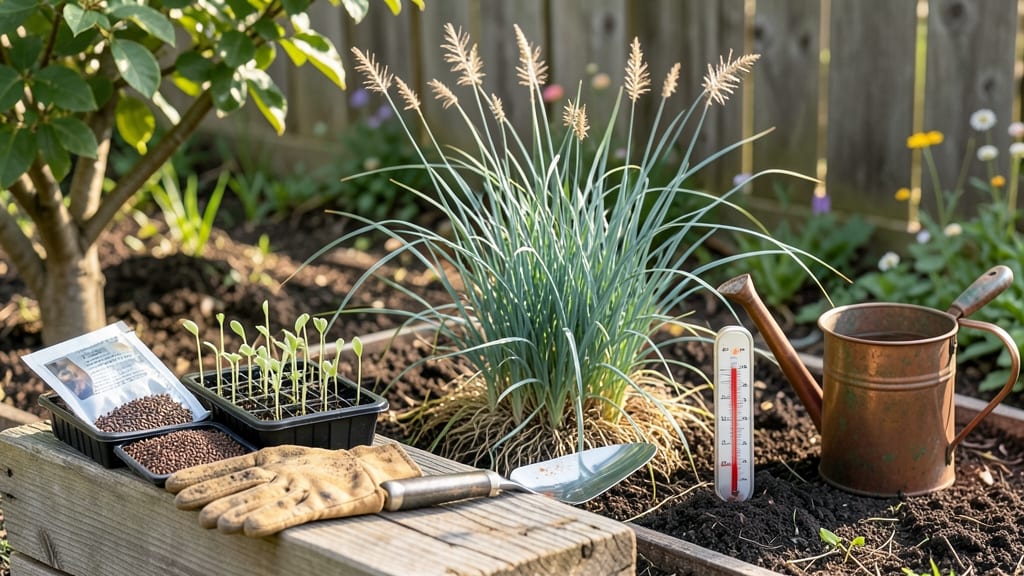
Timing your brome grass planting in Kansas is the key to a thick, resilient lawn or pasture that thrives year after year. Unlike some plants that can handle a little flexibility, brome grass demands precision—especially in zones 5b-7a where unpredictable weather can make or break your success.
Most gardeners in Kansas assume spring is the only window, but late summer to early fall (August-September) is actually the sweet spot for establishment. Why? Because cooler soil temperatures and shorter days give young roots time to anchor before winter hits.
Miss this window, and you risk weak growth or even winterkill—something no one wants after putting in the work.
I’ll break down exactly when to plant based on your specific zone, how to prep your soil for maximum success, and which brome grass varieties perform best in Kansas’ climate. Whether you’re seeding for erosion control, wildlife habitat, or a low-maintenance lawn, these insights will save you time and frustration.
Ready to get started? Let’s dive into the perfect planting schedule that’ll have your brome grass thriving before the first frost—no guesswork required.
Kansas brome grass planting deadlines by hardiness zone (with frost-free date maps)
Timing your brome grass planting in Kansas hinges on two critical factors: soil temperature and frost-free dates. Most Kansas regions fall under USDA zones 5b-7a, where the ideal window spans late summer to early fall—typically August 15 to September 15.
This timing ensures seedlings establish roots before winter dormancy begins.
For northern Kansas (zones 5b-6a), the last frost date usually lands around April 20-30, while southern Kansas (zones 6b-7a) sees frost-free conditions by March 20-April 10.
Planting 4-6 weeks before the first frost gives brome grass enough time to grow a 2-3 inch root system before cold sets in.
Here’s how your Kansas hardiness zone affects planting deadlines, including soil temperature thresholds and frost risks:
| Zone | Last Frost Date | First Frost Date | Ideal Planting Window | Soil Temp Threshold (°F) |
|---|---|---|---|---|
| 5b (Northwest KS) | April 25-May 5 | October 10-20 | August 1-15 | 50-55°F |
| 6a (Central KS) | April 10-20 | October 5-15 | August 15-September 1 | 55-60°F |
| 6b (Southwest KS) | March 25-April 10 | October 15-25 | August 20-September 10 | 60-65°F |
| 7a (Southeast KS) | March 10-20 | October 25-November 5 | September 1-15 | 60-65°F |
Use the Kansas Mesonet website to check real-time soil temperatures in your area. Insert a soil thermometer 2-3 inches deep—brome grass seeds won’t germinate until soil reaches 50-60°F. In western Kansas, where drought is common, aim for September planting to capitalize on residual summer moisture.
If you’re in eastern Kansas, where humidity is higher, late August is ideal to avoid fungal diseases like Pythium, which thrive in wet, warm conditions. Always test your soil’s pH (6.0-7.5) and drainage before planting—brome grass struggles in waterlogged soils.
Pro tip: Mark your calendar for September 20 as a last-chance deadline across most of Kansas. After this date, seedlings won’t have enough time to harden off before winter, leading to winterkill or stunted growth. For overseeding existing lawns, wait until late September to avoid smothering established grass.
For pasture or erosion control, plant 1-2 weeks earlier than the ideal window to ensure full coverage before spring rains. In drought-prone areas, consider cover crops like clover alongside brome grass to improve soil structure during establishment.
Always verify your local frost dates using the National Weather Service or Kansas State University Extension resources. A 30-day forecast can shift your planting window by 1-2 weeks, so stay flexible! 🌾
How to time brome grass planting for maximum survival: soil temp vs. frost risk
Timing your brome grass planting in Kansas isn’t just about avoiding frost—it’s about soil temperature. Cold, wet soil can suffocate seeds, while waiting too long risks summer heat stress. The sweet spot? 50-60°F soil temps and 4-6 weeks before your first frost date.
Most Kansas gardeners make the mistake of checking air temperature instead of soil temperature. A chilly morning air temp might fool you into delaying planting, but the soil could still be too cold for seed germination. Use a soil thermometer to confirm readiness—this small tool saves hours of guesswork.
For Kansas City (Zone 6a), aim to plant by September 1st to give roots time to establish before winter. In western Kansas (Zone 7a), you’ve got a little more flexibility, but don’t push past mid-October—cool-season grasses like brome need time to harden off before frost.
⚠️ DON'T PLANT IN COLD, WET SOIL
Brome grass seeds rot in below-50°F soil. If your lawn feels soggy after rain, wait 3-5 days for the ground to dry and warm slightly. Use the finger test: Push your finger 1 inch deep—if it comes out clean, soil’s ready.
Pro tip: Check the Kansas Mesonet for real-time soil data. Their free online tools show current and forecasted soil temps by county—no more guessing. For example, Hays (Zone 6b) might hit ideal temps in early August, while Wichita (Zone 7a) could wait until late August.
If you’re planting in late summer, prioritize areas with afternoon shade to protect young seedlings from intense Kansas sun. Once established, brome grass handles heat well, but tender sprouts need protection during 90°F+ days.
Remember: Fall planting is your best bet for Kansas. Seeds germinate in warm soil but grow slowly in cooler air, reducing competition from weeds. Aim for August 15-September 15—this window balances soil warmth and frost risk for maximum survival rates.