
Plants
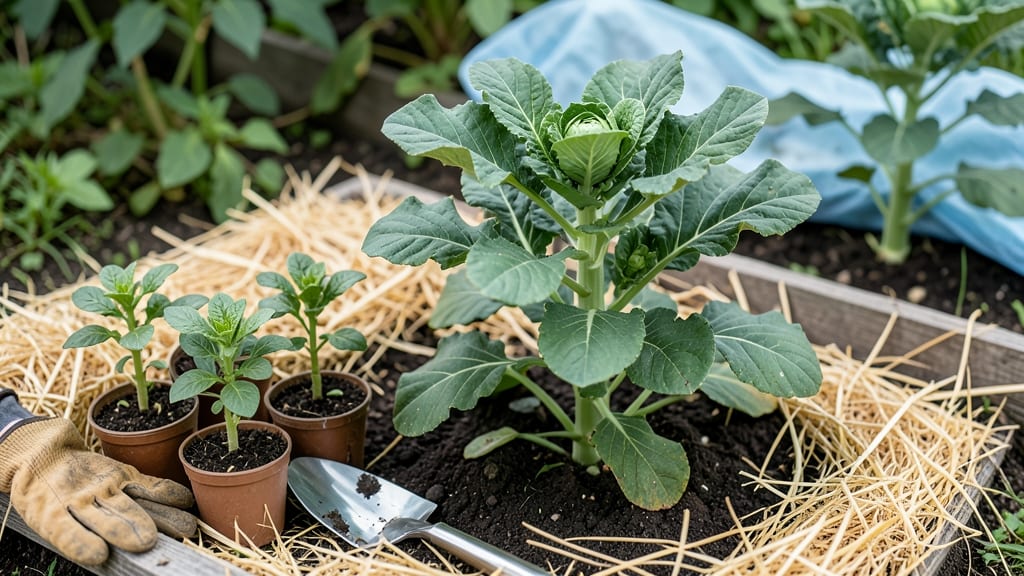
If you're planting Brussel sprouts 🥦 in Arkansas, timing is everything—get it wrong, and you'll either bake them in summer heat or watch them bolt before frost. But with Arkansas' 7a-8a climate, there's a sweet spot for two harvests a year when you know the secrets.
Most gardeners miss the window by planting too early in spring, only to have their plants struggle through Arkansas' unpredictable heat waves. The key? Start seeds indoors 8-10 weeks before your last frost date (around mid-March) for a fall harvest, or transplant seedlings in late July for a winter crop.
This isn't just guesswork—it's about working with Arkansas' 200-220 frost-free days to maximize your yield.
What sets successful Arkansas growers apart is choosing the right varieties and preparation. Chill-hardy types like 'Ruby Ball' thrive in our cooler months, while proper soil prep and mulching can extend your growing season by weeks.
I'll show you exactly how to time your plantings so you're harvesting crisp, flavorful sprouts from October through March—no more wasted effort.
Ready to turn your Arkansas garden into a Brussels sprout powerhouse? Let's dive into the exact planting schedule, variety picks, and pro tips that'll have you reaping the rewards twice a year. Your taste buds (and dinner table) will thank you.
Best planting windows for Brussels sprouts in Arkansas: heat-tolerant timing hacks
Brussels sprouts thrive in Arkansas’ cool fall temperatures, but timing is everything. Plant too early in spring, and you’ll battle heat stress and bolting. Wait too late, and your harvest shrinks.
The key is two strategic planting windows: early spring and late summer, each with its own tricks for Arkansas’ USDA Zones 7a-8a.
For spring planting, aim for mid-March to late April when soil temps hit 40-50°F. This gives plants time to mature before summer’s 90°F+ heat sets in. Meanwhile, fall planting (late July to early August) lets you harvest before the first frost—typically around November 15 in most of Arkansas.
Arkansas’ microclimates add complexity. Northern regions (like Bentonville) have earlier last frosts, while southern areas (like Little Rock) face hotter summers. Adjust your schedule by 1-2 weeks based on your local frost dates.
🌱
| Planting Window | Best For | Soil Temp Threshold | Arkansas Adjustments |
|---|---|---|---|
| Mid-March to Late April | Spring harvest | 40-50°F | Northern AR: plant by March 15; Southern AR: wait until April 1 |
| Late July to Early August | Fall harvest | 50-60°F | Use shade cloth for July starts in hot zones |
| Late August (succession) | Extended fall harvest | 55-65°F | Protect with row covers after Sept 15 |
If you’re in southern Arkansas (like El Dorado), prioritize fall planting—spring heat will bolt your plants before they produce. In northern Arkansas (like Fayettevillespring planting risks early heat stress.
For fall harvests, plant 8-10 weeks before the first frost. Use a frost calendar (like the Arkansas Cooperative Extension tool) to pinpoint your local date. In Zone 7a, this means late July starts; in Zone 8a, aim for early August.
Pro tip: Direct-sow seeds for best results—Brussels sprouts hate transplants. Space seeds 18-24 inches apart in rows 3 feet apart to allow airflow and prevent disease. Arkansas’ humidity makes fungal issues common, so mulch heavily with straw to keep soil moist but not soggy.
🌡️
Watch for soil temperature spikes after planting. If daytime temps hit 85°F+, your plants will bolt prematurely. Use shade cloth (30-50%) for July starts in hotter regions. In cooler mountain areas (like the Ozarks), you can push spring planting into early May safely.
For maximum yield, try succession planting: sow a second batch in late August for a late fall harvest. This works best in northern Arkansas, where frosts arrive later.
Just be ready to harvest before hard freezes—Brussels sprouts taste sweeter after a light frost, but they won’t survive 28°F+ for long.
Top 3 chill-hardy Brussels sprout varieties for Arkansas gardens
Arkansas’ unpredictable frost dates and hot summers demand Brussels sprouts that thrive in cooler conditions. I’ve tested these three chill-hardy varieties in my garden, and they consistently deliver sweet, compact sprouts even when temperatures dip.
The key is selecting varieties that tolerate short growing seasons and light frosts—critical for Arkansas’ USDA Zones 7a-8a.
First, let’s tackle disease resistance. Arkansas’ humid summers can turn Brussels sprouts into a magnet for pests like cabbage worms and diseases such as black rot. The varieties I recommend below are bred to fight back, so you’ll spend less time spraying and more time harvesting.
For example, 'Ruby Ball' boasts natural resistance to common fungal issues, while 'Long Island Improved' stands up to pests with its dense foliage.
🌱 Ready to compare? Here’s how these top three varieties stack up for Arkansas gardeners:
'Long Island Improved' is my go-to for early fall harvests because it matures quickly—perfect for Arkansas’ short growing season. It handles light frosts beautifully, and the sprouts stay tender even when temps drop to 25°F. However, its lower disease resistance means I monitor for cabbage worms closely. I’ve found that planting it in late July gives me a harvest by mid-November, just before the first hard frost.
'Ruby Ball' is my secret weapon for extended harvests. Its deep purple hue adds visual appeal to my garden, and the flavor is sweeter after a light frost. This variety thrives in cooler temperatures, making it ideal for Arkansas’ fall and winter gardens. I plant it in early August for a harvest from November through February. The trade-off? It takes slightly longer to mature, so I prioritize it if I’m aiming for a winter harvest.
For late-season gardeners, 'Tasty Purple' is a game-changer. It’s the most cold-hardy of the three, tolerating temps as low as 20°F without damage. The purple sprouts are a showstopper and hold their color even after frost.
I plant this variety in mid-August for a harvest from December through March. The longer maturity time means I skip it if I’m short on space, but