
Plants
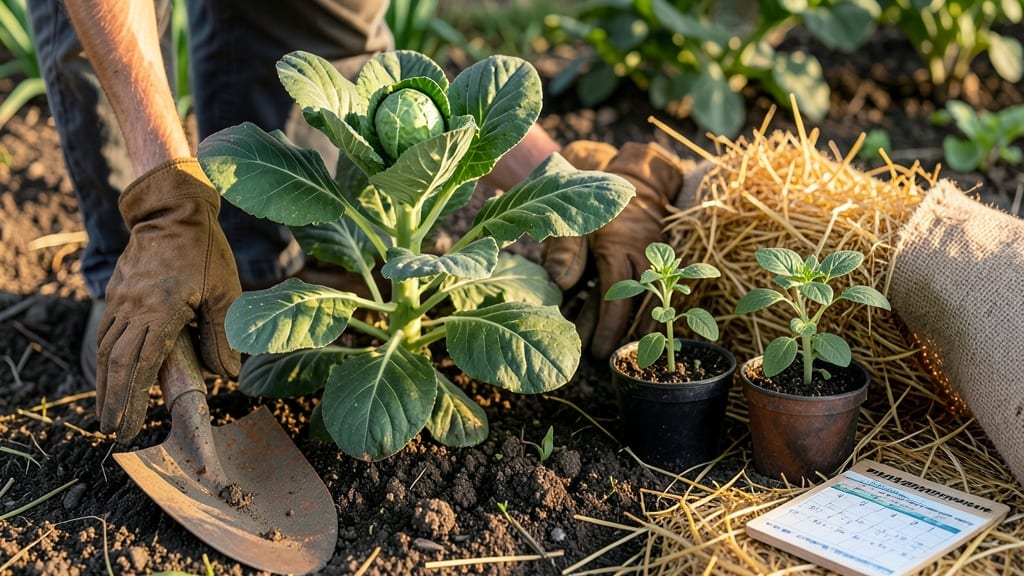
If you're wondering when to plant Brussel sprouts in NJ, timing is the secret to a bountiful harvest of those little 🥦 powerhouses. NJ's climate—with its unpredictable frost dates and varying hardiness zones—means planting too early or late can leave you with bitter-tasting sprouts or no crop at all.
Most gardeners in USDA Zones 6a-7b know the ideal window is tight: mid-April to early May for spring or late July to early August for fall.
But here's the catch—Brussel sprouts need cool weather to thrive, so planting too early risks frost damage, while waiting too long can lead to bolting before harvest.
I'll break down exactly how to time your planting for maximum success, whether you're starting seeds indoors or direct-sowing. You'll learn how to work with NJ's average last frost date (around April 15), adjust for early freezes, and even use row covers to extend your growing season.
Ready to grow those perfect, sweet-tasting sprouts? Let's dive into the game-changer planting strategies that'll have you harvesting from October through December—just in time for holiday feasts.
Best planting times for Brussel sprouts in NJ by hardiness Zone
New Jersey’s USDA hardiness zones 6b-7b create perfect conditions for growing Brussel sprouts, but timing is critical to avoid frost damage or poor yields. The ideal planting window spans two seasons: spring and fall, with each offering distinct advantages for NJ gardeners.
For spring planting, aim for mid-April to early May—just after the average last frost date of April 15. This gives plants enough time to mature before summer heat sets in.
Meanwhile, fall planting should occur between late July and early August to ensure harvests before the first frost in early November.
Brussel sprouts thrive in cool weather, making NJ’s two growing seasons ideal. However, soil temperature must reach at least 45°F (7°C) for seeds to germinate properly. If planting too early, use row covers to protect young seedlings from unexpected cold snaps.
Most NJ gardeners choose between direct sowing and transplanting starter plants. Direct sowing is simpler but requires precise timing, while starter plants offer a head start but must be hardened off before transplanting. I recommend starting seeds indoors 8-10 weeks before the last frost for spring crops.
Zone 6b (Northern NJ) has slightly earlier frost dates, so adjust planting by 1-2 weeks earlier than Zone 7b (Southern NJ). For example, northern gardeners should plant spring crops around late April instead of early May to maximize the growing season.
Here’s a quick reference for Brussel sprouts in NJ:
| Season | Planting Window | Soil Temp Requirement | Days to Harvest | Notes |
|---|---|---|---|---|
| Spring | Mid-April to early May | ≥45°F (7°C) | 90-120 days | Harvest Oct-Dec; avoid summer heat |
| Fall | Late July to early August | ≥45°F (7°C) | 90-120 days | Harvest Oct-Nov; cooler temps improve flavor |
| Zone 6b Adjustment | 1-2 weeks earlier | Same | Same | Shorter growing season; prioritize fall crops |
When planting, space Brussel sprouts 18-24 inches apart in rows 30 inches apart to allow for proper air circulation. This spacing is crucial in NJ’s humid summers, where fungal diseases like downy mildew can thrive in crowded plants.
For direct sowing, plant seeds ½ inch deep and keep soil consistently moist until germination, which typically occurs in 7-14 days at optimal temperatures. If using transplants, choose healthy 4-6 week old seedlings and bury them slightly deeper than their original soil line to encourage stability.
After planting, mulch around the base with 2-3 inches of straw or shredded leaves to retain moisture and regulate soil temperature. This is especially important in NJ’s variable spring weather, where sudden temperature swings can stress young plants.
Remember, Brussel sprouts are cool-season crops, so avoid planting during peak summer heat (June-August). Instead, focus on the shoulder seasons of spring and fall for the best results. With the right timing, you’ll enjoy sweet, flavorful sprouts straight from your NJ garden!
How NJ’s frost dates affect Brussel sprout success (and how to adjust)
New Jersey’s frost dates are the most critical factor in timing your Brussel sprout planting. The average last frost date in most of NJ falls between April 15–May 1, while the first frost typically arrives around November 1.
These dates create a 165–200-day frost-free window—just enough time for two successful harvests per year.
Brussel sprouts are cool-season crops that thrive in temperatures between 50–75°F. Planting too early exposes seedlings to frost damage or stunted growth, while planting too late risks bolting (premature flowering) before harvest. The key is aligning your planting with NJ’s frost-free window while avoiding summer heat stress.
For spring planting, wait until the soil reaches 45°F (7°C) and all danger of frost has passed. In NJ, this usually means late April to early May.
For fall planting, aim for late July to early August—early enough to mature before the first frost but late enough to escape summer heat.
🚨 CRITICAL: Even with the right timing, early frosts can still sneak in. Use row covers or cold frames to extend your growing season. These protective measures can add 2–4 weeks of safety to your harvest window.
If you’re starting seeds indoors, begin them 8–10 weeks before your target outdoor planting date. This ensures seedlings are ready to transplant just as the frost-free window opens. For direct sowing, wait until the soil is consistently 45°F (7°C)—a soil thermometer is your best tool for accuracy.
NJ’s humid summers can also stress Brussel sprouts, causing yellowing leaves or poor yield. To combat this, choose shade-tolerant varieties like ‘Long Island Improved’ or ‘Ruby Ball’ and provide afternoon shade if temperatures exceed 85°F (29°C).
Always monitor local frost forecasts from sources like the NJ State Climate Office. Adjust your planting dates by 1–2 weeks if early or late frosts are predicted. With the right timing and precautions, you’ll enjoy a bountiful harvest from October through December.