
Plants
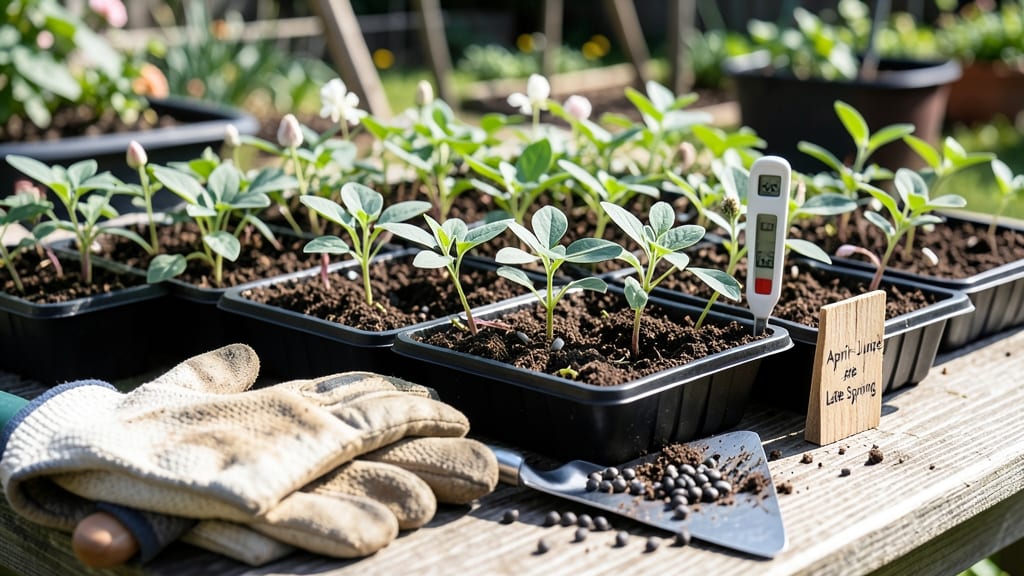
If you're wondering when to plant buckwheat in NC, timing is everything—this fast-growing crop needs the right conditions to thrive, or you'll miss out on its 60-day harvest window.
North Carolina's diverse climate zones mean coastal areas can start earlier than the Piedmont or mountains, but one rule stays constant: wait until soil temperatures hit 60°F or risk slow germination.
Spring plantings should begin in mid-April for most of the state, but don't rush—buckwheat hates cold soil. For fall harvests, aim for late August to early September, giving your crop time to mature before frost.
Whether you're growing it for grain, greens, or as a cover crop, getting the timing right means the difference between a bountiful harvest and wasted effort.
Here's the secret most gardeners miss: buckwheat's short season makes it perfect for double-cropping after early vegetables like peas or radishes. By planting in late spring or early summer, you can squeeze in a second harvest before winter sets in.
The key is watching those first frost dates—in NC's 6a-8b zones, that means planning around mid-November for most regions.
Ready to maximize your yield? I'll walk you through the exact frost-free window for your NC region, soil temperature tricks, and how to extend the growing season with simple techniques. Let's get your 🌾 buckwheat growing strong from seed to harvest.
NC buckwheat planting calendar: frost-free window by region
North Carolina’s three distinct climate zones—Coastal, Piedmont, and Mountains—each have unique last frost dates that dictate your buckwheat planting window. Getting this right means the difference between a bountiful harvest and wasted seeds.
Let’s break down the ideal planting dates for each zone to maximize your 60-75 day growing season.
In the Coastal Plain (Zone 8a-8b), where winters are milder, you can start planting as early as mid-March for a spring harvest. However, the real sweet spot is late April to early May, giving you peak harvests in July-August before summer heat sets in.
This zone enjoys the longest frost-free window in NC, up to 240 days, so fall plantings are also viable.
For the Piedmont region (Zone 7a-7b), wait until after the last frost, typically around mid-April. Planting in early May ensures your buckwheat matures before the first frost in mid-November.
This zone’s 180-200 frost-free days allow for both spring and fall plantings, but spring is more reliable for grain production.
The Mountains (Zone 6a-6b) have the shortest season, so time your planting for late April to early May. Aim to harvest by late September to avoid early frosts that can hit as soon as mid-October.
Fall plantings here are risky unless you use row covers to extend the season.
🌾
If you’re aiming for a fall harvest, plant late August to early September in all zones. This gives buckwheat enough time to mature before the first frost, especially in the Coastal Plain, where you might even squeeze in a second harvest by October.
However, avoid planting too late—buckwheat needs 60-75 days to reach maturity, and late plantings risk immature grains or frost damage.
For cover crop purposes, you can push the envelope by planting as late as early October in the Coastal Plain, but expect smaller yields. In the Mountains, stick to early September to avoid frost.
Always monitor your local weather forecasts—a sudden cold snap can derail even the best-laid plans.
🌡️
One final tip: Soil temperature is just as critical as air temperature. Buckwheat won’t germinate well below 60°F, so even if the air is warm, check your soil with a soil thermometer.
In cooler zones, use black plastic mulch to warm the soil faster. Next, we’ll dive into how to test soil temperature and troubleshoot germination issues—don’t miss it!
Soil temperature & buckwheat germination: the 60°F rule
Buckwheat’s germination hinges on soil temperature, not air temperature. While your thermometer might show 70°F, if the soil stays below 60°F, seeds will languish or rot.
In North Carolina’s USDA Zones 6a-8b, this means waiting until late April or early May in the Mountains, and as early as March in the Coastal Plain. Always check soil warmth before planting—it’s the secret to 90% germination success.
Test your soil’s readiness with a simple soil thermometer (insert 2 inches deep). For fast germination, aim for 65-75°F. If your soil is still cool, use black plastic mulch or a cold frame to warm it up by 5-10°F in just 3-5 days.
This trick works wonders in the Piedmont region where spring temperatures fluctuate wildly.
🌱 Key Takeaway: The 60°F Rule
- Minimum soil temp: 60°F for germination
- Ideal range: 65-75°F for fastest growth
- Test depth: 2 inches below surface
- NC timing: Wait until late April (Mountains) to March (Coastal)
⏰ Pro Tip: Morning soil temps are 2-5°F cooler than afternoon—test in the late afternoon for accuracy.
Slow germination? Blame cold soil or old seeds. Buckwheat seeds lose viability after 2 years, so always use fresh seed. If you’re planting in May or June, soil temperatures in NC’s inner Piedmont often hit the sweet spot naturally.
But in high-elevation areas, even June soil can linger below 60°F—so monitor closely.
For fall plantings (August-September), soil temps drop faster. Aim to plant by mid-August in the Mountains and early September in the Coastal Plain to ensure a 60-day harvest window before frost. Use a row cover to extend the season by 2-3 weeks if needed.
Never rush planting! Early buckwheat in cold soil leads to leggy, weak plants prone to disease. Patience pays off—wait for that 60°F soil temp, and you’ll enjoy vigorous growth and abundant yields. Trust the soil, not the calendar.
🌡️ Remember: A soil thermometer is your best friend. Skip it, and you might end up with spotty germination or wasted seed. Invest in one—it’s a $10 tool that saves hours of frustration.