
Plants
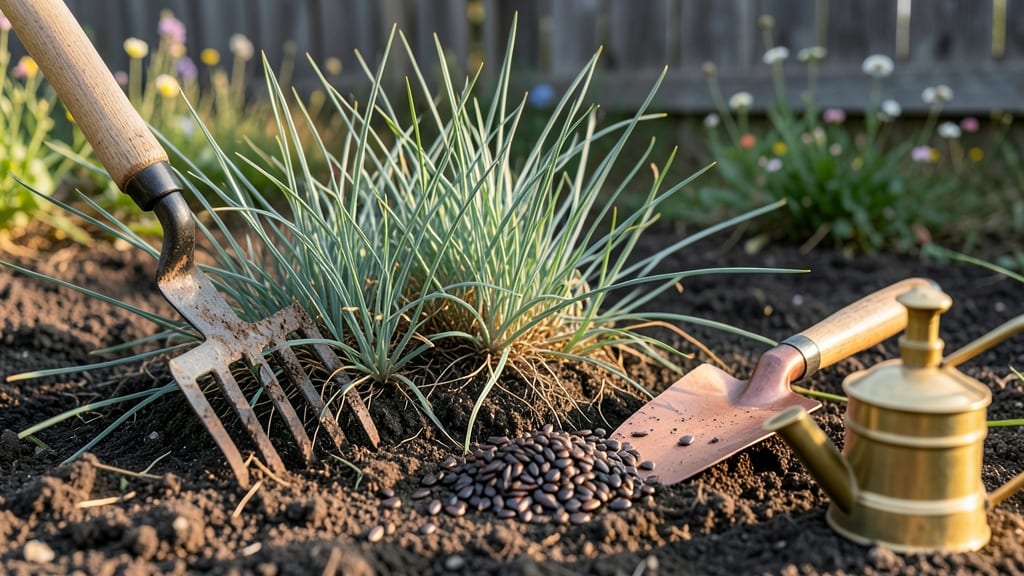
If you're wondering when to plant buffalo grass seed in Kansas, timing is everything—especially with the state's shifting frost dates and diverse USDA zones.
This drought-resistant grass thrives when planted just right, but get it wrong, and you could be waiting months for that lush, low-maintenance lawn to take hold.
Kansas gardeners know the struggle: too early, and frost will nip your seedlings in the bud; too late, and summer heat can dry out seeds before they sprout. The sweet spot? Late summer to early fall or early spring—when soil temperatures are warm but not scorching.
For USDA zones 5b-7a, this means aiming for March-April or August-September, depending on your location.
I’ve seen firsthand how a well-timed planting can transform a patchy lawn into a vibrant, resilient carpet in just a few months. The key isn’t just picking a date—it’s understanding your zone’s frost timeline, soil prep, and even rainfall patterns.
Let’s break down the exact windows that work best in Kansas, so you can skip the guesswork and get growing.
Whether you’re in northern Kansas where frosts linger longer or southern Kansas with warmer springs, this guide will help you align your planting with nature’s rhythm. Ready to turn your yard into a buffalo grass oasis? Let’s get started.
Kansas USDA zones & ideal buffalo grass planting windows by month
Kansas spans USDA zones 5b through 7a, creating distinct planting windows for buffalo grass seed. In Zone 5b (north-central KS), the last frost typically arrives around April 1, while Zone 7a (south-central KS) sees frost-free conditions by May 1.
These differences mean your planting timeline should shift based on your location.
Buffalo grass thrives when planted during two key windows: early spring (March-April) or late summer (August-September). Spring planting gives seeds time to establish before summer heat, while late summer planting avoids early-season weeds and takes advantage of fall rainfall for root development.
Here’s a detailed breakdown of your optimal planting months by USDA zone, including soil temperature targets and frost risk factors:
| USDA Zone | Ideal Planting Window | Soil Temp Target (°F) | Frost Risk | Key Consideration |
|---|---|---|---|---|
| 5b (North-Central KS) | Late April - Early May | 55-65°F | Moderate (last frost: April 1) | Wait for consistent 60°F soil temps |
| 6a (Central KS) | Mid-April - Late April | 50-60°F | Low (last frost: April 15) | Early spring weeds compete fiercely |
| 7a (South-Central KS) | Early April - Mid-April | 45-55°F | Minimal (last frost: May 1) | Late summer planting preferred |
| All Zones | August 15 - September 15 | 70-80°F | None | Best for drought-prone areas |
For Zone 5b gardeners, late April to early May is ideal because cooler soils reduce seed dormancy risks. In Zone 7a, you can plant as early as April, but late summer (August-September) often yields better results due to reduced weed competition and cooler soil temperatures.
I recommend testing soil temperatures with a soil thermometer before planting. Aim for 55-65°F for spring and 70-80°F for late summer. These ranges ensure seeds germinate consistently without overheating.
Pro tip: In Zone 6a, where both windows work, I’ve had the most success with late August planting. The September rains give seedlings a strong start before winter dormancy.
Remember, buffalo grass is drought-tolerant once established, but young seedlings need consistent moisture during their first 6-8 weeks. Plan your watering schedule accordingly, especially if planting in dry summer months.
🌱
5 Critical factors that determine the best planting time in Kansas
When planting buffalo grass seed in Kansas, the soil temperature is your #1 guide. This hardy grass thrives when soil temps hover between 60°F and 75°F—too hot or too cold stalls germination.
In Kansas, this typically means waiting until late August to early September for fall planting or early April for spring.
Kansas’ rainfall patterns also play a crucial role. Buffalo grass is drought-tolerant, but seeds need consistent moisture for the first 4-6 weeks. Aim for planting when 1-2 inches of rain are forecasted weekly, or be prepared to water deeply.
Southern Kansas (Zone 7a) often gets summer storms, while northern areas (Zone 5b) may need supplemental watering.
Local microclimates can shift ideal timing by weeks. Urban areas with heat islands may need earlier fall planting, while rural spots with cooler nights can wait until late September. Check your yard’s exposure—south-facing slopes warm faster than north-facing areas.
The first frost date in your Kansas zone dictates your fall planting window. In Zone 5b, frost typically arrives by October 15, leaving just 6-8 weeks for seeds to establish.
In Zone 7a, you’ve got until November 1, giving you more flexibility. Plant 6-8 weeks before frost for best results.
Weed competition is another silent saboteur. Planting in late summer gives buffalo grass a head start on weeds before winter dormancy. However, if your lawn has aggressive weeds like crabgrass, consider pre-emergent herbicide 2 weeks before planting to protect your new seeds.
Finally, soil pH matters—buffalo grass prefers 6.0 to 7.5. Test your soil before planting; if it’s outside this range, amend with lime (to raise pH) or sulfur (to lower pH) 4-6 weeks ahead. Kansas’ native soils often lean alkaline, so this step is critical for optimal germination rates.
Balancing these 5 factors ensures your buffalo grass seeds germinate quickly, establish strong roots, and outcompete weeds—setting you up for a low-maintenance, drought-resistant lawn by next summer. 🌱