
Plants
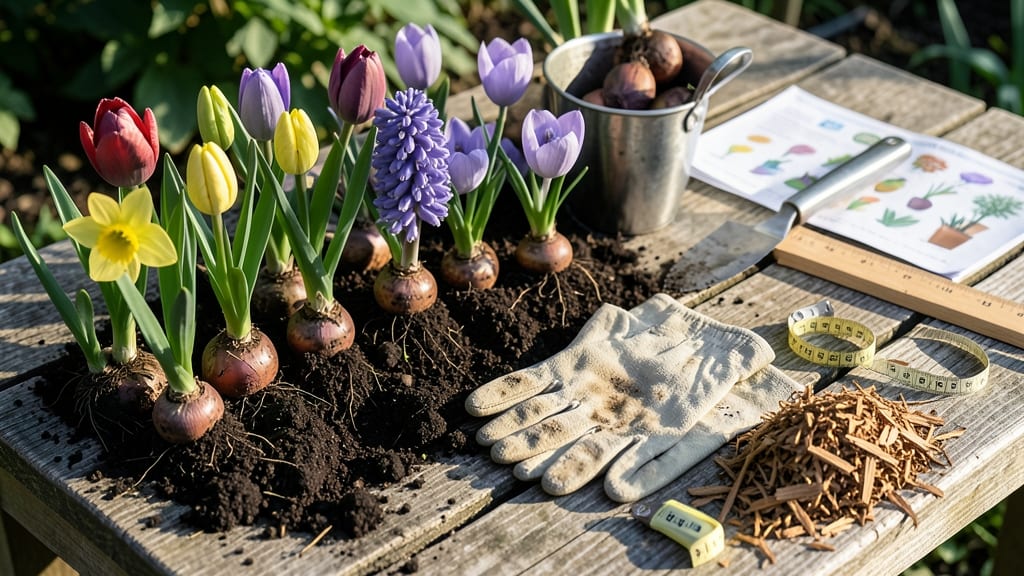
When to plant bulbs in Zone 8 isn’t just about picking a month—it’s about outsmarting your climate’s quirks. With mild winters and unpredictable frost, timing can mean the difference between showstopping spring blooms and sad, wilted 🌱 dreams. I’ve dug into the science to give you the exact windows that work for Zone 8’s 8a-8b conditions, so you can plant with confidence.
Most gardeners in Zone 8 know fall planting is key, but the real magic happens in September through November. That’s when soil temps drop just enough to protect bulbs from rot while still letting them establish roots before winter.
But here’s the twist: early spring planting (February-March) gives certain bulbs a head start in your extended growing season.
Whether you’re planting daffodils for bold color or crocuses for early pollinators, the right timing ensures your bulbs wake up ready to thrive. I’ll walk you through the exact month-by-month schedule, including how to adjust for your specific microclimate—because even in Zone 8, not all spots are created equal.
Skip the guesswork and plant with precision. By the end, you’ll know not just when to plant, but why those dates matter most for your Zone 8 garden’s success.
Zone 8 bulb planting calendar: month-by-month breakdown by bulb type
In Zone 8, where winters are mild but still dip into the 10–20°F range, timing your bulb planting is more nuanced than in colder zones. The key is to plant when soil temperatures drop below 60°F but before the first hard frost—typically 6–8 weeks in advance.
For most spring-blooming bulbs like tulips and daffodils, this means late fall, while crocus and alliums can handle even cooler soil. Let’s break it down by month and bulb type to avoid common pitfalls.
Fall planting (September–November) is ideal for most bulbs, as it allows roots to establish before winter. However, Zone 8’s extended growing season means some bulbs, like hyacinths, can even be planted in early spring (February–March) if you miss the fall window.
The critical factor? Soil temperature—bulbs need a period of cold to bloom, but they’ll rot if planted in soggy, warm soil. Aim for 50–60°F soil for best results.
📋 BULB PLANTING CALENDAR FOR ZONE 8
| Bulb Type | Ideal Planting Month | Soil Temp Threshold | Notes |
|---|---|---|---|
| Tulips | October–November | 50–60°F | Plant 6 inches deep, 6 weeks before first frost. |
| Daffodils | September–October | 55–65°F | Tolerates shallow soil (4–6 inches deep). |
| Hyacinths | October–November OR February | 50–60°F | Can handle early spring planting if soil isn’t frozen. |
| Crocus | September–October | 45–55°F | Plants 3–4 inches deep for quick spring blooms. |
| Alliums | October–November | 50–60°F | Drought-tolerant; 8–12 inches deep for tall varieties. |
| Lilies | March–April (spring) OR October | 60–70°F (spring) / 50–60°F (fall) | Avoid fall planting in wet soil; prefers well-draining beds. |
For spring-planted bulbs like lilies or winter aconite, wait until the soil warms to 60°F+ in early spring (March). These bulbs don’t need a cold period to bloom, making them perfect for Zone 8’s mild winters.
However, they still require well-draining soil to prevent rot—especially critical in Zone 8b, where winters are even milder and soil stays damp longer.
Pro tip: Use a soil thermometer to check temperatures before planting. If your soil is still above 60°F in October, hold off until it cools. Conversely, if a late frost is forecasted in November, plant 2–3 weeks earlier to give bulbs time to root.
Zone 8’s unpredictable microclimates mean your neighbor’s perfect timing might not work for your garden!
Don’t overlook bulb hardiness ratings. While most spring-blooming bulbs thrive in Zone 8, some, like tulips, may need extra mulch for insulation during rare 20°F nights.
Check the USDA Plant Hardiness Map for your exact location—even within Zone 8, 8a (colder) and 8b (milder) have different frost risks.
If you’re planting in containers, adjust your timeline by 2–4 weeks earlier—potted soil cools faster than in-ground beds.
Place containers in a shady spot during the day to slow soil temperature drops, then move them to a protected location (like against a south-facing wall) at night to shield from frost.
Finally, mark your calendar for late winter
5 Critical factors that determine your exact planting window in Zone 8
Your Zone 8 bulb planting success hinges on 5 key factors that most gardeners overlook. The first is soil temperature, which should hover between 50–60°F for ideal root establishment. Use a soil thermometer—planting too early in warm soil can trigger premature sprouting, while waiting too long risks frost damage.
Next, microclimates within your garden play a huge role. A north-facing bed stays cooler longer than a south-facing one, so adjust your schedule accordingly. For example, tulips in shaded spots may need an extra week compared to sun-drenched areas.
Don’t underestimate bulb hardiness ratings. Zone 8’s winters dip to 10–20°F, so choose bulbs labeled for USDA Zones 5–8 (like daffodils and crocuses) to avoid winter kill. Check the packaging—it’s your first clue to timing adjustments.
Local frost patterns are another game-changer. Zone 8’s last frost dates range from January 15 (8a) to January 31 (8b), so time your fall planting 6–8 weeks before to give bulbs time to root. Pro tip: Check your USDA Plant Hardiness Map for precise local data.
Finally, moon phases can subtly influence success. Planting during a waxing moon (when roots grow best) may improve bulb establishment. While not scientific, many Zone 8 gardeners swear by this trick for stronger blooms. Pair it with the other factors, and you’ve got a foolproof system.
Master these 5 factors, and you’ll plant with the precision of a seasoned pro—no more guesswork, just vibrant blooms year after year. 🌱