
Plants
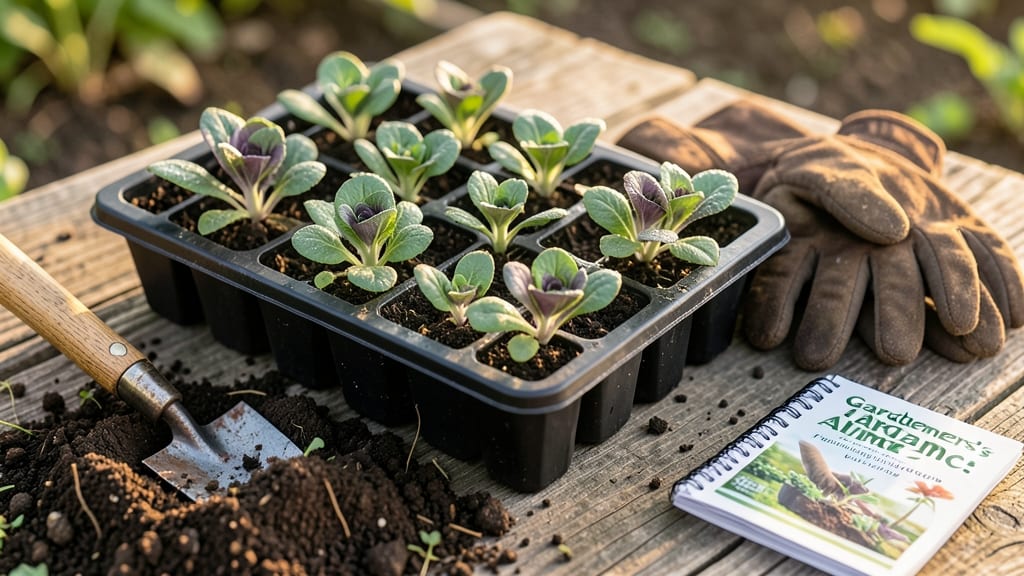
Timing your cabbage planting in Zone 6b makes all the difference between a thriving garden and a disappointing harvest. The cool-season crop 🥬 needs precise scheduling to avoid heat stress or early frost damage, but getting it right means crisp, flavorful heads all season long.
In Zone 6b, where last frosts linger until mid-April and first frosts arrive by mid-October, the window for success is narrow but manageable.
Whether you're aiming for early spring harvests or extending your season into fall, understanding the ideal planting times—and how to adjust for unpredictable weather—is the key to a bountiful yield.
Let’s break down the best planting windows for your region, from early spring varieties that thrive before summer heat sets in to late-season plantings designed to overwinter. You’ll also discover how to use succession planting and protective covers to stretch your harvest even further.
Ready to grow cabbage that’s healthier, more abundant, and perfectly timed for your kitchen? Let’s get started with the exact steps you need for Zone 6b success.
Zone 6b cabbage planting calendar: frost dates & ideal windows by month
Cabbage in Zone 6b thrives when planted during cool-season windows—either early spring (March–April) or late summer (July–August). The key is avoiding soil temperatures above 80°F, which causes bolting (premature flowering).
Your last frost date typically falls between April 15–May 15, while the first frost arrives around October 15–November 15. Timing depends on your variety type (early, mid-season, or late) and whether you’re direct-sowing seeds or transplanting seedlings.
For spring plantings, aim to have mature heads ready by late June before summer heat sets in. Fall plantings should yield harvests before the first frost, with overwintering varieties like 'January King' surviving light frosts.
Always check your local frost dates—they can vary by 1–2 weeks even within Zone 6b. Use the USDA Plant Hardiness Zone Map or your local cooperative extension service for precise data.
Here’s your Zone 6b cabbage planting calendar, broken down by variety type to maximize success:
For direct sowing, scatter seeds ½ inch deep and 1 inch apart in rows 18–24 inches apart. Thin seedlings to 12–18 inches apart once they’re 4 inches tall to prevent competition.
If transplanting seedlings, harden them off for 7–10 days before moving them outdoors to avoid shock. Choose overcast days or early evening for transplanting to reduce stress.
Pro tip: Use biodegradable pots for seedlings to minimize root disturbance when transplanting. This method reduces transplant shock and speeds up establishment by 30–50%. For container gardening, select large pots (12+ inches deep) with drainage holes to accommodate mature cabbage roots.
Zone 6b’s short growing season means every day counts. Start early varieties as soon as soil is workable (around 45°F) and late varieties 8–10 weeks before your first frost to ensure maturity. Monitor your garden’s microclimate—south-facing beds warm up faster and may need shade cloth in late spring.
Remember: Cabbage is a cool-weather crop, so avoid planting when nighttime temperatures exceed 70°F. If you miss the spring window, late summer plantings can still yield a fall harvest—just choose bolt-resistant varieties and use row covers to extend the season.
How to adjust planting for Zone 6b’s unpredictable weather patterns
Zone 6b’s weather can be as unpredictable as a spring shower—one day it’s frost, the next it’s a heatwave. To keep your cabbage thriving, you’ll need to adjust your planting strategy based on local conditions.
Start by checking your average last frost date (typically April 15 in Zone 6b) and first frost date (October 15). Use these as guides, but always be ready to adapt.
For example, if your area had a late frost in early May, don’t panic—just shift your early plantings by 2 weeks. Similarly, if summer arrives early, opt for heat-tolerant varieties or use shade cloth to protect young plants.
The key is flexibility; Zone 6b rewards gardeners who stay one step ahead of the weather.
Plant early varieties 2 weeks before your average last frost date to account for late cold snaps. For late varieties, start 2 weeks after your first frost date to avoid bolting. Check your local Almanac frost records for precise timing—don’t rely on general Zone 6b averages.
Stagger plantings every 2–3 weeks from spring to early summer for a continuous harvest. Example: Plant 'Golden Acre' on March 15, April 1, and May 1 for staggered maturity. This ensures you’re always harvesting fresh cabbage while avoiding gaps in your garden’s productivity.
Use floating row covers for late plantings to extend the season by 2–4 weeks. Remove them during daylight to prevent overheating. For early spring or fall plantings, cloches (mini greenhouses) can provide extra warmth without trapping too much heat on sunny days.
For summer plantings, select slow-bolting varieties like 'Cavalo' or 'Red Express' (heat-tolerant up to 80°F). Avoid traditional varieties like 'Napa' in peak summer—they’ll bolt quickly. If you’re set on classic varieties, plant them in late July or early August for a fall harvest.
Don’t let Zone 6b’s weather throw you off track—with these adjustments, you’ll turn unpredictability into a continuous cabbage harvest. Start with your frost dates, use row covers for protection, and choose the right varieties for each season. Your garden (and your dinner table) will thank you! 🌱