
Plants
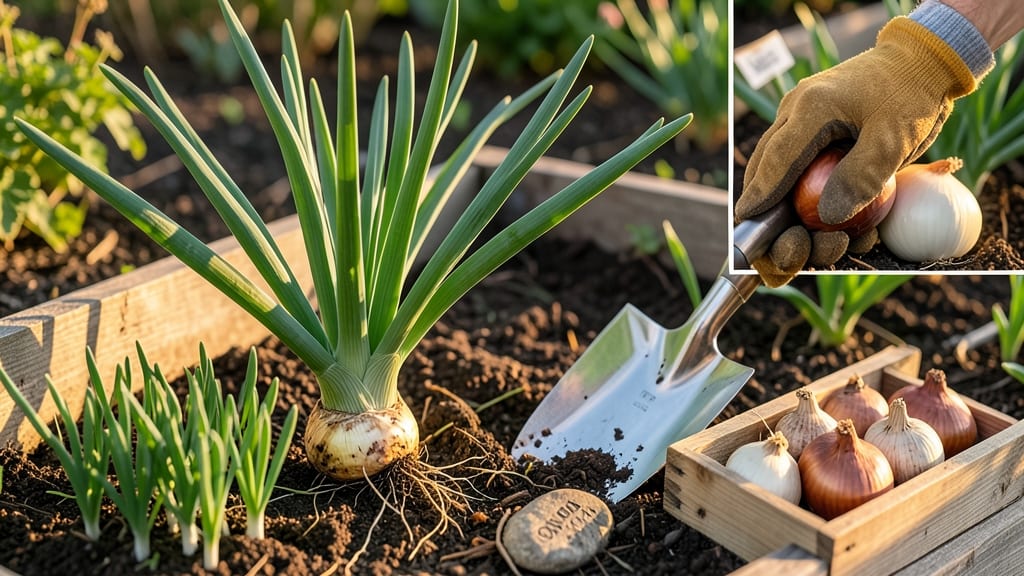
Knowing when to plant onions in Western Cape could save you from frost damage—or even a total crop failure. The region’s Mediterranean climate means your timing must account for unpredictable frost patterns and dry summers, where one wrong move can turn your garden into a sad, shriveled mess.
Here’s the secret: Plant your 🧅 onions in August or September for a spring harvest, or February-March for fall. But don’t just follow the calendar—soil temperature and frost risk (especially in zone 9b) are the real game-changers.
I’ll show you exactly how to nail the timing, whether you’re in Cape Town or the Overberg, so you get bulbs that store like champions.
You’ll also discover how to pick the right onion varieties for your area—some bolt in summer heat, while others thrive in cooler months. And if you’ve ever lost plants to late frosts or summer drought, I’ve got foolproof tricks to protect your crop without wasting water.
Ready to grow onions that actually last? Let’s dive into the frost-free window and variety timing that’ll make your harvest the envy of the neighborhood.
Optimal planting windows for onions in Western Cape by frost risk zones
Getting your onion planting timing right in the Western Cape means avoiding both late frosts and summer heat stress. The region’s Mediterranean climate creates two ideal windows: spring (August-September) for main harvests and autumn (February-March) for smaller bulbs.
I’ve broken down the best months for Cape Town, Stellenbosch, and Overberg based on their unique frost patterns.
The Western Cape’s frost-free period typically runs from mid-August to mid-June, but microclimates vary. Coastal areas like Cape Town have milder winters, while inland Stellenbosch and Overberg face harder frosts. Planting too early risks frost damage, while late planting may lead to bolting before harvest.
Here’s how to align your planting with local frost risks and soil warmth:
| Region | Spring Planting (Main Harvest) | Autumn Planting (Small Bulbs) | Soil Temp Requirement | Frost Risk |
|---|---|---|---|---|
| Cape Town | Late August - September | Early February - March | 10-15°C (50-59°F) | Low (coastal) |
| Stellenbosch | Early September - October | Late February - Early April | 12-16°C (54-61°F) | Moderate (inland) |
| Overberg | Mid September - October | March - Early April | 10-14°C (50-57°F) | High (mountainous) |
*Harvest 2-3 months after planting for spring crops; autumn crops yield smaller bulbs in 4-6 weeks.
For Cape Town gardeners, I recommend starting with seedlings in late August to avoid early frosts. The coastal breeze helps warm soil faster, so you can plant 1-2 weeks earlier than inland areas. Use black plastic mulch if planting in July to accelerate soil warming.
In Stellenbosch, where frosts linger until mid-September, wait until soil temperatures hit 12°C before planting. Test with a soil thermometer—onions need consistent warmth to form bulbs. If you’re unsure, err on the side of late September planting to avoid frost.
Gardeners in the Overberg face the harshest conditions, with frosts possible until October. Here, autumn planting in March is safer for small bulbs, while spring planting waits until mid-September. Use frost cloths for early crops if you’re eager for a harvest.
Pro tip: Succession plant every 2-3 weeks in spring to stagger harvests. This works especially well in Cape Town’s mild climate, where you can extend your harvest from October to December. In colder zones, focus on one main planting for a concentrated harvest.
Always check your local agricultural extension office for recent frost data—Western Cape patterns shift yearly. I’ve planted onions in Stellenbosch for 5 years, and I’ve learned that patience pays off. Rushing leads to bolting; waiting too long means smaller yields. Balance is key!
How to choose onion varieties for Western Cape’s climate & harvest timing
Picking the right onion varieties for the Western Cape is your first line of defense against bolting (when onions flower prematurely) and poor storage.
The region’s Mediterranean climate with hot summers and cool winters means some varieties thrive while others struggle. Short-day onions (like Texas Early White) are your best bet—they mature quickly in the Cape’s long summer days without bolting.
For a spring harvest, plant Stuttgarter or Red Creole varieties in August-September. These intermediate-day onions adapt well to the Cape’s 12-14 hour daylight and store beautifully.
If you’re aiming for a fall harvest, opt for long-day varieties like Yellow Sweet Spanish, planted in February-March—they’ll mature before summer heat sets in.
Here’s the key: Day-length sensitivity determines success. Short-day onions (e.g., Texas Early White) need 10-12 hours of daylight to bulb properly—perfect for Cape Town’s autumn and spring.
Long-day varieties (e.g., Walla Walla) bolt if exposed to 14+ hours of daylight, so avoid them unless you’re in the cooler Overberg region.
| Variety | Day-Length Needs | Best Planting Month | Harvest Window | Storage Life |
|---|---|---|---|---|
| Texas Early White | Short-day (10-12 hrs) | August-September | October-December | 3-4 months |
| Stuttgarter | Intermediate (12-14 hrs) | August-September | November-January | 4-5 months |
| Red Creole | Intermediate (12-14 hrs) | February-March | May-July | 3-4 months |
| Yellow Sweet Spanish | Long-day (14+ hrs) | February-March | May-June | 2-3 months |
Avoid long-day onions like Walla Walla unless you’re in the cooler Overberg—otherwise, they’ll bolt by December. Instead, stick to short-day or intermediate varieties that align with the Cape’s frost-free window.
Pro tip: If you’re unsure, ask your local nursery for region-specific recommendations—they’ll know which varieties perform best in your microclimate.
Once you’ve chosen your variety, soil temperature becomes critical. Onions need soil that’s at least 10°C (50°F) to germinate. In the Western Cape, this usually means waiting until mid-August for spring plantings or late February for fall. Use a soil thermometer to double-check—cold soil delays growth and increases bolting risk.
For longer storage, prioritize Stuttgarter or Red Creole—they keep for 4-5 months in a cool, dry place. If you’re growing for fresh eating, Texas Early White matures faster (ready in 90-100 days) and stores well enough for 2-3 months.
Just remember: Harvest before the tops yellow if you want the best flavor and storage life.