
Plants
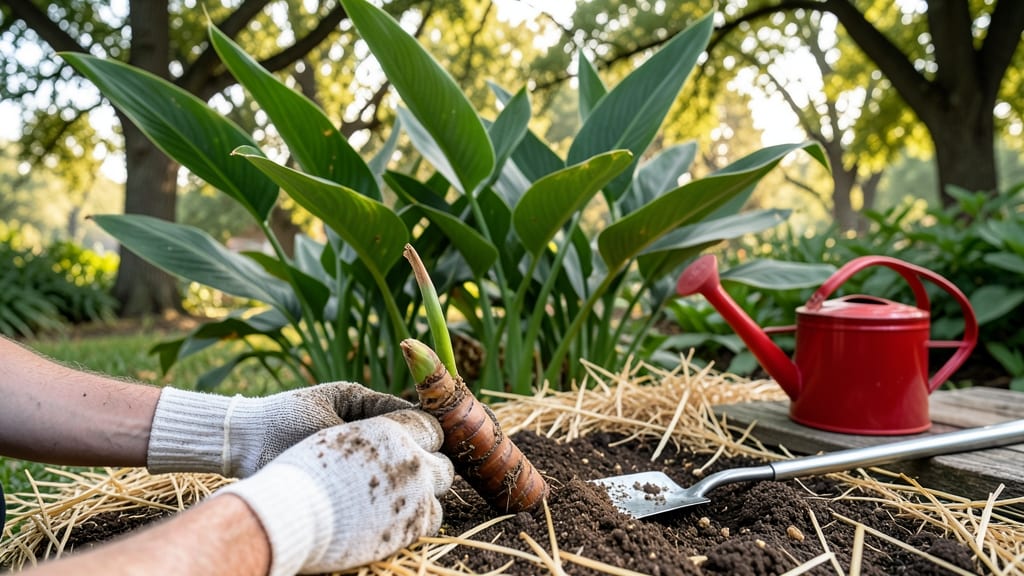
If you’ve ever wondered when to plant canna bulbs in Kansas to avoid frost damage or missed out on those bold, tropical blooms, you’re not alone—Kansas’ unpredictable spring makes timing everything.
Planting too early risks frost damage, while waiting too long could mean missing out on the striking 🌺 Canna Lily blooms that thrive in Zone 6-7 heat.
The key to success? Waiting until soil temperatures hit 60°F and all danger of frost has passed—typically mid-April to early June in most of Kansas.
But with last frosts creeping into April 15 and first frosts arriving by October 15, even a few weeks can make the difference between a lush garden and a sad, stunted plant.
I’ll break down the exact frost-free timeline for your zone, plus pro tips for preparing bulbs and soil to ensure your cannas take off like a rocket.
Whether you’re a first-time gardener or a seasoned pro, these insights will help you avoid common pitfalls and get those striking 🌺 Canna Lily blooms thriving all summer long.
Ready to turn your garden into a Kansas summer showstopper? Let’s dive into the perfect planting window and care strategies tailored just for you.
Kansas canna planting calendar: exact dates by frost-free Zone
Kansas’ Zone 6-7 climate means canna bulbs must wait for soil temperatures above 60°F (15°C) to thrive. The last average frost date in most of Kansas falls around April 15, but late frosts can linger into early May—especially in north-central regions.
Planting too soon risks frost damage to tender canna shoots, while waiting too long cuts bloom time. Here’s your precise planting timeline for maximum summer color.
For Zone 6 (northern Kansas), aim to plant canna bulbs between May 1 and May 15 after three consecutive nights above 50°F (10°C).
In Zone 7 (southern Kansas), you can start as early as April 20-May 5, but monitor nighttime temperatures—any dip below 45°F (7°C) will stunt growth. Early varieties like ‘Striped’ or ‘Dwarf’ can handle slightly cooler soil, while tall varieties like ‘Australia’ need warmer conditions to establish roots quickly.
🌱
| Zone | Last Frost Date | Ideal Planting Window | Soil Temp Threshold | Bloom Timeline |
|---|---|---|---|---|
| Zone 6 (North) | April 15-May 1 | May 1-May 15 | 60°F+ (15°C+) | July-August |
| Zone 6b (Central) | April 20-April 25 | April 25-May 10 | 58°F+ (14°C+) | June-July |
| Zone 7a (South) | April 10-April 15 | April 20-May 5 | 55°F+ (13°C+) | June-August |
| 🔹 Pro Tip: | Use a soil thermometer to confirm readiness—cannas won’t sprout in cold soil. | |||
If you’re eager to start earlier, chit your bulbs indoors 4-6 weeks before your target planting date. Place them in a bright, warm spot (70°F/21°C) with indirect light—you’ll see green shoots in 2-3 weeks.
This head start helps offset Kansas’ unpredictable springs, giving your cannas a competitive edge. Just avoid transplanting until all frost risk has passed, even with chitted bulbs.
For container gardening in Kansas, you can plant cannas 2-3 weeks earlier than in-ground plantings. Containers warm up faster and can be moved indoors if a late frost threatens. Choose large pots (12"+ diameter) with drainage holes to prevent waterlogged roots—a common issue in Kansas’ clay-heavy soils.
Add a 2-inch layer of compost to the bottom of containers to improve drainage and fertility.
Missed the ideal window? Late plantings in early June can still produce blooms, though they’ll be smaller and later. Focus on watering deeply and fertilizing lightly to encourage root growth.
In Zone 7a, you might even squeeze in a second planting in early July for fall color, though blooms will be minimal. The key is consistent moisture—cannas planted late are more susceptible to drought stress during Kansas’ summer heat waves.
🌿
Track your local frost dates using the National Weather Service or Kansas State University Extension resources. In western Kansas, where Zone 6b dominates, May 10 is a safer bet for planting than earlier dates.
Meanwhile, southeastern Kansas gardeners in Zone 7a can often plant by April 25. Always harden off indoor-chitted bulbs for 3-5 days before planting to reduce transplant shock—a critical step for Kansas’ windy conditions.
Protect young cannas from late spring frosts with row covers or frost cloth if temperatures dip below 40°F (4°C) after planting. Remove covers during the day to allow sunlight penetration and reapply at night. This dual-layer protection method works well for early May plantings
How to prepare canna bulbs for Kansas’ unpredictable spring weather
Kansas’ spring weather can be as unpredictable as a tornado warning—one day warm and sunny, the next a surprise frost. To give your canna bulbs the best shot at survival, start preparing them indoors 6-8 weeks before your target planting date.
This head start helps them harden off and adapt to Kansas’ clay-heavy soil and temperature swings.
Begin by selecting healthy, firm canna bulbs with no soft spots or mold. Choose varieties suited to Kansas’ Zone 6-7 climate, like 'Striped' or 'Cleopatra', which thrive in heat but need protection from early frosts.
Store them in a cool, dry place until you’re ready to start the chitting process.
🌱 Step-by-Step Pre-Planting Prep for Kansas Cannas
- Chitting Indoors: Place bulbs in a tray with sphagnum moss (keep moist but not soggy). Set near a sunny window (south-facing) or under grow lights for 6-8 weeks. Sprouts should emerge 2-3 inches tall before transplanting.
- Hardening Off: Move trays outdoors for 2-3 hours/day starting 2 weeks before planting. Gradually increase time to acclimate bulbs to Kansas’ wind and temperature shifts.
- Soil Prep: Amend clay-heavy Kansas soil with compost or aged manure to improve drainage. Aim for a pH of 6.0-7.0—test your soil if unsure.
- Frost Protection: Have row covers or plastic mulch ready for late frosts (after May 1). Cannas can tolerate 32°F briefly but wilt if frozen.
- Planting