
Plants
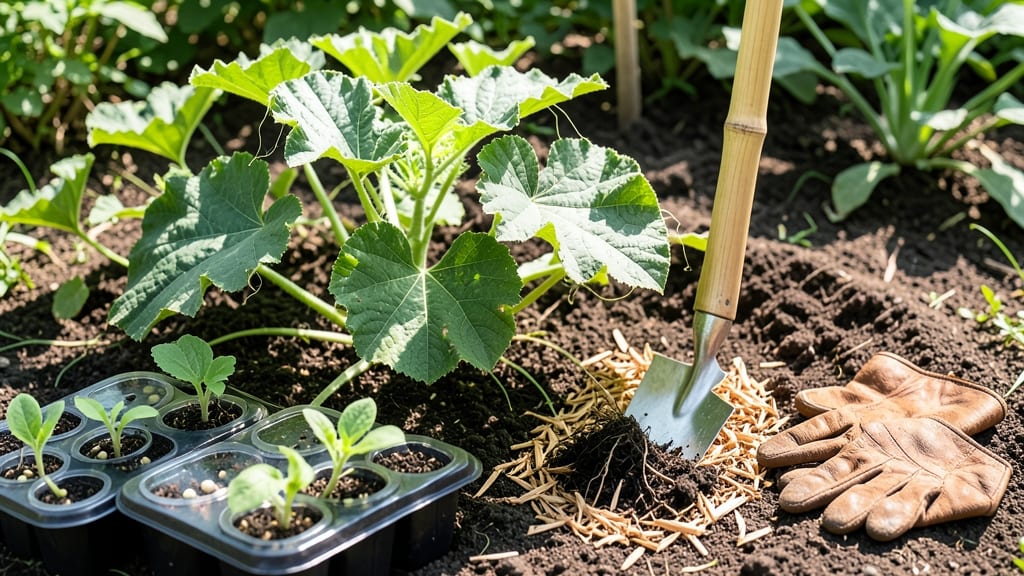
Zone 6 cantaloupe planting timeline: when to start seeds indoors vs. direct sowing
Cantaloupe loves warmth, but Zone 6's cool springs and late frosts demand precision. Planting too early means frost-killed seedlings, while waiting too long cuts your harvest short. Let's break down the exact timing windows for both indoor starts and direct sowing in your region.
First, mark your calendar for Zone 6's average last frost date, which typically falls between mid-April and early May. For cantaloupe, you'll want to work backward from this date—these melons refuse to germinate in cold soil, needing temperatures of at least 70°F (21°C).
Here's the golden rule: Never plant cantaloupe outdoors until soil temperatures consistently reach that 70°F threshold. In most Zone 6 areas, this means waiting until late May or early June—often after your last frost date has passed by several weeks.
| Planting Method | Zone 6 Timeline | Key Requirements |
|---|---|---|
| Indoor Seed Starting | 4-6 weeks before last frost (typically mid-March to late April) | Warmth mat: 75-85°F, grow lights, transplant after soil warms |
| Direct Sowing | After last frost, when soil hits 70°F+ (usually late May-early June) | Black plastic mulch, row covers, full sun site |
| Transplanting | After soil warms (same as direct sowing window) | Harden off seedlings, plant at same depth as container |
| Succession Planting | Every 2-3 weeks until July 15 | Extends harvest through early fall |
For indoor starts, begin seeds 4-6 weeks before your last frost date. Use a seedling heat mat to maintain 75-85°F soil temperatures—cantaloupe seeds won't germinate below 60°F. Place seedlings under grow lights (14-16 hours/day) until they develop 2-3 true leaves.
When transplanting, wait until nighttime temperatures consistently stay above 55°F (13°C). Use black plastic mulch to warm soil faster and retain moisture. This simple trick can push your planting window 1-2 weeks earlier in cool Zone 6 springs.
Direct sowing is often better for cantaloupe in Zone 6 because seedlings transplant poorly. Plant seeds 1 inch deep, 2-3 feet apart in hills, with hills spaced 5-6 feet apart. This gives vines room to sprawl while keeping fruits accessible.
Remember: cantaloupe needs 80-100 frost-free days to mature. In Zone 6, this means starting by mid-June at the latest for a fall harvest. For a second crop, try succession planting every 2-3 weeks through early July.
Pro tip: Use a soil thermometer to confirm temperatures. If your soil hasn't reached 70°F by early June, consider using row covers to create a microclimate—this can add 2-3 weeks to your growing season.
🌱
5 Critical factors that affect cantaloupe germination and vine growth in Zone 6
While planting dates matter, your cantaloupe's success hinges on five critical factors that Zone 6 gardeners must master. These elements—soil warmth, moisture balance, sunlight exposure, and even air circulation—can make or break your harvest. Let’s break down what your cantaloupe truly needs to thrive beyond just the calendar.
First, soil temperature is non-negotiable. Cantaloupes demand soil that’s at least 70°F (21°C) for germination. In Zone 6, this typically means waiting until late May or early June, when the ground finally warms up.
Cold soil leads to slow or failed sprouts, no matter how perfect your timing seems on paper.
Next, moisture balance is a tightrope walk. Cantaloupes need consistent moisture—about 1-2 inches per week—but soggy soil invites rot. In Zone 6’s often unpredictable spring rains, use drip irrigation or soaker hoses to deliver water directly to roots. Mulching with straw helps retain moisture while preventing crusting.
Sunlight is another dealbreaker. Your cantaloupe vines must bask in 6-8+ hours of direct sun daily. In Zone 6, this means choosing the sunniest spot in your garden—often a south-facing slope or raised bed.
Shade from trees or buildings will stunt growth and reduce fruit quality. If your yard lacks full sun, consider container growing near a sunny wall.
Don’t overlook air circulation, which prevents fungal diseases like powdery mildew. Space vines 3-6 feet apart and prune side shoots to improve airflow. In humid Zone 6 summers, this step is especially critical.
Finally, soil pH between 6.0-6.8 ensures your plants can absorb nutrients efficiently. Test your soil in early spring and amend with lime or sulfur as needed.
Mastering these five factors turns Zone 6’s short growing season into an advantage. By focusing on soil warmth, moisture, sunlight, airflow, and pH, you’ll give your cantaloupes the best shot at thriving—even in cooler climates. The payoff? Sweeter, juicier melons that make your summer harvest worth the wait. 🌱