
Plants
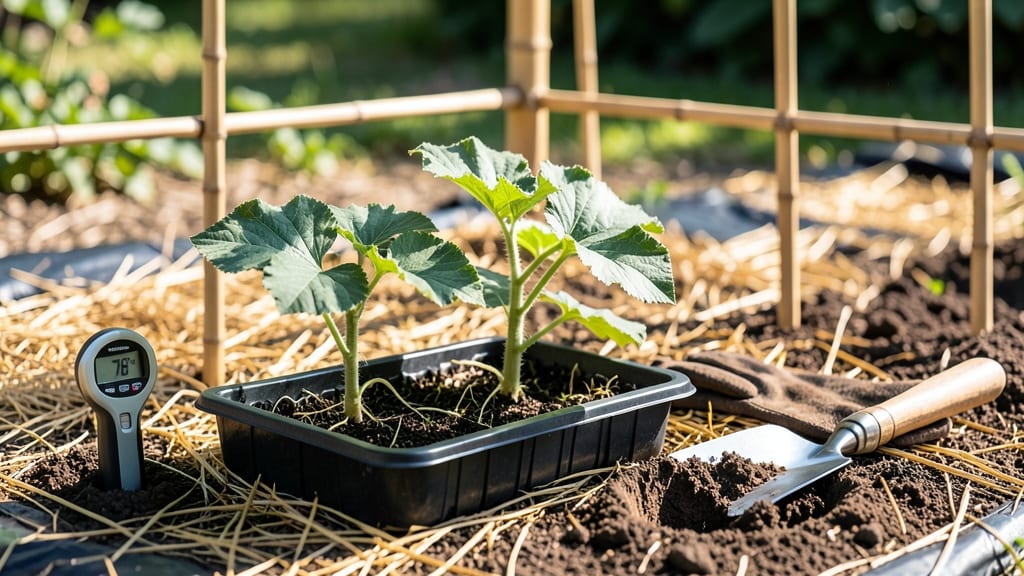
Knowing when to plant cantaloupe in Zone 8b can mean the difference between a garden full of sweet, ripe melons and a season of empty vines. This heat-loving fruit needs precise timing—too early, and frost will nip your seedlings; too late, and summer’s end will cut your harvest short.
In Zone 8b, where winters are mild but summers are long, the ideal window opens after the last frost—typically by March—but only when soil temperatures hit a steady 70°F.
That’s the sweet spot for 🍈 cantaloupe seeds to germinate and thrive. Miss this mark, and you risk stunted growth or bitter fruit.
Whether you’re direct-sowing or starting seeds indoors, I’ll break down the exact steps to time your planting for maximum yield. From soil prep to spacing tips, you’ll learn how to give your cantaloupe the best shot at success—no guesswork, just results.
Let’s dive into the frost-free timeline that’ll have your cantaloupe vines bursting with flavor by late summer. Ready to grow like a pro?
Optimal planting dates for cantaloupe in Zone 8b: avoiding frost and heat stress
In Zone 8b, where winters are mild but summers can be brutally hot, timing your cantaloupe planting is critical. The last average frost date typically falls around February 15, but that doesn't mean you should rush to plant.
Cantaloupes are heat-loving annuals that need warm soil—at least 70°F—to thrive. Planting too early risks stunted growth from cool soil, while waiting too long may shorten your harvest window before fall's first frost.
Most Zone 8b gardeners achieve the best results by starting seeds indoors 3-4 weeks before the last frost (around early February) and transplanting outdoors after soil warms. For direct sowing, aim for mid-April to early May when daytime temperatures consistently stay above 75°F.
This timing ensures your vines establish before summer's peak heat arrives, giving your fruit enough time to mature before fall's cooler temperatures set in.
Here's a quick reference for your Zone 8b cantaloupe timeline:
| Stage | Action | Key Consideration |
|---|---|---|
| Early February | Start seeds indoors | Use grow lights if natural light is limited |
| Mid-April | Transplant seedlings outdoors | Wait until soil reaches 70°F+ |
| Late April-Early May | Direct sow seeds | Plant in hills with black plastic mulch |
| June-July | Thin seedlings | Keep strongest vine per hill (18" apart) |
| July-September | Harvest cantaloupes | Fruit slips when ripe (70-90 days) |
For those in cooler microclimates within Zone 8b (like higher elevations), push back your outdoor planting to late April to avoid soil that's still too cold.
Conversely, gardeners in warmer microclimates (like urban heat islands) can start direct sowing as early as mid-April with black plastic mulch to warm the soil faster. Always check your local Almanac frost dates and adjust by 1-2 weeks based on your specific location's history.
One common mistake in Zone 8b is assuming that because winters are mild, you can plant cantaloupes early. But cool soil temperatures below 60°F can stunt seed germination and early vine growth. Use a soil thermometer to verify temperatures before planting—this simple tool prevents costly timing errors.
I've planted cantaloupes in March before, only to watch them wilt when a late frost dipped temperatures into the 40s°F at night.
If you're new to cantaloupe growing, consider starting with transplants instead of seeds. This gives you a head start on the 70-90 day growing season these melons need to reach maturity. Purchase healthy seedlings from a local nursery in late March and keep them in 5-gallon containers until soil warms.
This method lets you avoid the 2-3 week germination period that direct sowing requires.
Remember that cantaloupes are day-neutral plants, meaning they'll fruit regardless of daylight length—but they do need consistent warmth. In Zone 8b, this means planning for a late summer harvest (typically July through September).
If you're eager for an earlier harvest, consider succession planting with a second set of seeds in early June, though this works best in the warmest parts of your zone.
Finally, pay attention to humidity levels in your specific Zone 8b location. Areas with high summer humidity (like parts of the Southeast) may need additional spacing between plants to improve air circulation and reduce disease risk.
In drier microclimates, you might need to water more frequently to prevent blossom-end rot. Always monitor your plants' stress signals—yellowing leaves or drooping vines often indicate timing or environmental issues.
With the right planting timing, your Zone 8b cantaloupe can produce sweet, juicy fruit that rivals commercial varieties. The key is patience—waiting for that 70°F soil is worth the extra week of waiting to ensure robust vines and heavy yields.
Once your plants are established, they'll reward you with vibrant orange fruit that's the perfect summer treat! 🍈
Optimal planting dates for cantaloupe in Zone 8b: avoiding frost and heat stress
In Zone 8b, cantaloupe thrives when planted after your last frost date—typically around mid-February. However, the real secret lies in soil temperature, not just air temperature.
Cantaloupes need soil that's warmed to at least 70°F before planting, which usually happens in late March to early April in most Zone 8b regions.
Direct sowing is the preferred method for cantaloupe, as seedlings hate transplanting. If you're starting seeds indoors, begin them 4-6 weeks before your last frost date—around mid-January to February. But beware: cantaloupes grow too slowly in cool soil, leading to poor fruit set.
| Stage | Zone 8b Timeline | Key Consideration |
|---|---|---|
| Indoor Seed Start | Mid-January to February | Use grow lights; soil temp 70°F+ |
| Outdoor Transplant | Late March to April | Wait until soil reaches 70°F |
| Direct Sowing | April to early May | Best after last frost risk passes |
| Harvest Window | July to September | 70-90 days after planting |
For Zone 8b gardeners, timing is critical because cantaloupes need a long, hot growing season. If you plant too early, cold soil stunts growth, and if you wait too long, vines may struggle to mature before fall frosts arrive.
Use a soil thermometer to confirm temperatures before planting—this is the best way to avoid common mistakes.
Another pro tip: Succession plant every 2 weeks in April and May to extend your harvest. This works especially well in Zone 8b, where summers are short but intense.
Just remember, cantaloupes need at least 70 days of warm weather to produce fruit, so your last planting should happen by mid-June at the latest.
If you're in a cooler microclimate within Zone 8b, like higher elevations, push back planting dates by 2-3 weeks. Conversely, if you're in a hotter urban area, you might start as early as late February with row covers to protect young plants from unexpected chilly nights.
Finally, always check your local frost dates—they can vary by 1-2 weeks even within the same zone. Tools like the National Weather Service or Almanac's Frost Calculator can give you precise guidance for your specific location in Zone 8b.