
Plants
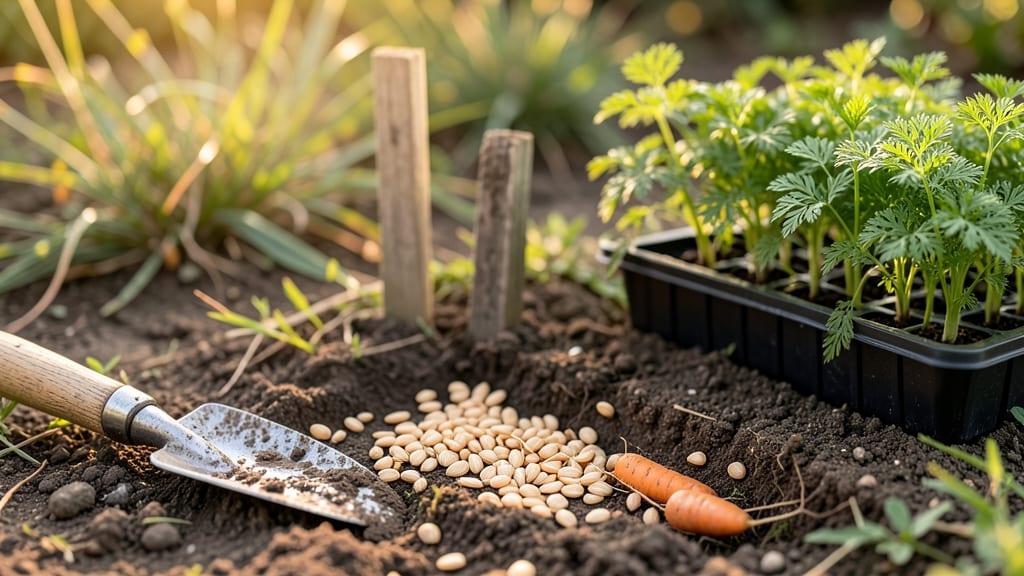
North Carolina carrot planting calendar by frost Zone (7a-8b)
North Carolina’s diverse climate—from the Coastal Plain to the Mountains—means your carrot planting schedule should align with your USDA zone (7a-8b). In Zone 7a (e.g., Asheville), last frost typically arrives by March 15, while Zone 8b (e.g., Raleigh) enjoys a longer growing season.
Timing matters because carrots hate heat (bolting occurs at 75°F+) and rocky soil (common in Piedmont).
For spring plantings, start seeds indoors 6-8 weeks before last frost (late January) or sow directly in February-March for harvests by June. Fall plantings thrive when soil temps drop below 80°F, so aim for August-September in all zones.
In Zone 8b, you can even overwinter carrots under row covers for early spring harvests.
Here’s how to match your NC region to the perfect planting window:
In Zone 7a, focus on early spring (February) and late summer (August) plantings to avoid summer heat. Zone 8b gardeners can stretch seasons further—try January sowings for early harvests or September plantings for winter storage.
Always test your soil’s pH (6.0-7.0) and loosen it with compost to prevent forked roots.
Pro tip: Use succession planting every 2 weeks in spring/fall to ensure a steady supply. In Zone 8b, you can even plant a third crop in late summer for a winter harvest under row covers. Just avoid planting after July 15 in hotter zones—carrots bolt quickly when days lengthen.
North Carolina’s first frost (around November 15) signals the end of outdoor growing, but fall-planted carrots can survive light frosts. For a continuous harvest, stagger plantings in August, September, and October—this way, you’ll have fresh carrots from October through December before soil freezes.
If you’re in the Coastal Plain (Zone 8b), don’t overlook winter carrots. Varieties like ‘Danvers Half Long’ tolerate 30°F temps and sweeten after frost. Mulch heavily with straw to insulate roots and prevent cracking. In mountain zones (7a), prioritize early spring plantings—summer heat shortens your window.
For container growing, stick to shorter varieties like ‘Paris Market’ and plant in February-March or August-September. Containers warm faster, so monitor soil moisture closely—dry spells cause bitter roots.
In all zones, direct-sow seeds (they hate transplanting) and thin seedlings to 2-3 inches apart for straight, sweet carrots.
Remember: Rocky soil is a NC gardener’s nemesis. Amend beds with sand or compost before planting, and avoid tilling—this disturbs roots and invites pests. With the right timing, your carrots will thrive from spring to winter, giving you crisp, homegrown roots year-round.
North Carolina carrot planting calendar by frost Zone (7a-8b)
North Carolina’s diverse climate—from the Coastal Plain’s humidity to the Mountains’ cooler nights—means your carrot planting window shifts by zone. In Zone 7a (western NC), you can start 4-6 weeks earlier than in Zone 8b (Coastal Plain).
I’ll break down the frost-free windows for each zone to maximize your crisp, sweet harvests.
For Zone 7a (Asheville, Boone), aim for February 15–March 15 for spring plantings. The last frost typically hits March 15–April 1, giving you 100+ frost-free days before fall’s first frost (November 1–15).
In Zone 8a (Piedmont), shift 2 weeks later—plant March 1–April 1 for spring and August 15–September 15 for fall.
In Zone 8b (Raleigh, Wilmington), start March 15–April 15 to avoid heat stress and bolting. The Coastal Plain’s longer growing season (up to 240 frost-free days) lets you try a fall crop as late as September 1, but watch for sandy soil compaction.
| Zone | Spring Planting | Fall Planting | Frost-Free Days |
|---|---|---|---|
| 7a (Mountains) | Feb 15–Mar 15 | Aug 15–Sep 1 | 100–120 |
| 8a (Piedmont) | Mar 1–Apr 1 | Aug 1–Sep 15 | 140–160 |
| 8b (Coastal Plain) | Mar 15–Apr 15 | Sep 1–Sep 30 | 200–240 |
Pro tip: Use succession planting every 2 weeks in spring/fall to stagger harvests. For example, in Zone 8b, sow March 15, April 1, and April 15 for continuous May–June harvests. This beats the heat stress that warps roots by July.
For fall crops, prioritize shorter-day varieties like 'Paris Market' (45 days) to mature before November’s first frost. In Zone 7a, a lightweight row cover can extend fall harvests until December 1 in mild microclimates.
Always test your soil drainage—NC’s clay-heavy soils (especially in the Piedmont) can cause forked or stunted carrots. Amend with compost or sand to loosen the earth before sowing. Rocky patches? Try 'Short-n-Sweet' varieties (they tolerate shallow soil).