
Plants
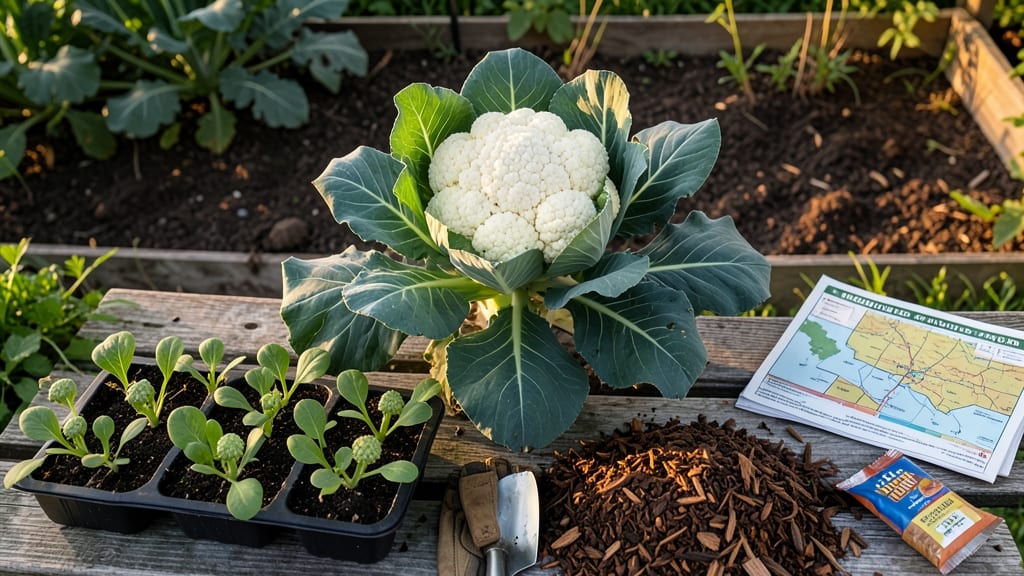
Planting cauliflower in Missouri can feel like walking a tightrope—get the timing wrong, and you’ll either lose your crop to frost or watch it bolt in the heat.
But with the right strategy, you can grow 🥬 heads that are crisp, flavorful, and ready to harvest just in time for spring and fall meals.
Missouri’s 5b-6b zones mean your planting window is narrow but critical. Whether you’re in the cooler northern regions or the warmer southern areas, knowing when to start seeds indoors or set transplants outdoors makes all the difference.
The key? Planting 4-6 weeks before your last frost date—typically mid-March to early April for spring—and again in late July to early August for a fall harvest.
Why does this matter? Cauliflower thrives in cool weather but wilts under summer’s intensity. By aligning your schedule with Missouri’s average last frost (mid-April) and first frost (mid-October), you’ll avoid common pitfalls like stunted growth or bitter heads.
I’ll show you exactly how to time it right, plus tips for adjusting when Mother Nature throws curveballs.
Ready to grow cauliflower that’s faster, easier, and more reliable? Let’s dive into the step-by-step guide tailored for your Missouri garden—no guesswork required.
Missouri cauliflower planting dates by hardiness Zone (with frost calculator)
Missouri’s USDA hardiness zones 5b-7b create unique challenges for cauliflower growers. Unlike heat-loving crops, cauliflower thrives in cool temperatures (50-75°F), making timing critical. Plant too early, and frost will blacken your seedlings; too late, and summer’s 90°F+ heat will trigger bolting (premature flowering).
Here’s your zone-specific planting calendar to avoid both pitfalls.
Most Missouri gardeners aim for two planting windows: early spring (for late spring harvests) and late summer (for fall harvests). The key is aligning your planting with soil temperatures (50-60°F) and frost-free periods (165-200 days).
Use the table below to find your exact dates based on your zone and elevation—higher areas (like the Ozarks) may need adjustments.
🌱Pro Tip: Start seeds 4-6 weeks indoors before transplanting outdoors. Missouri’s unpredictable spring often delivers late frosts (even into May in northern zones), so don’t rush seedlings into cold soil.
Missouri’s microclimates can shift planting dates by 2-3 weeks. For example, St. Louis (Zone 6b) might see last frosts by March 25, while Kansas City (Zone 5b) could face frost until April 15.
Use your local cooperative extension service (like the University of Missouri Extension) for hyper-local data.
For fall crops, aim to plant seeds 100-120 days before your first frost (typically mid-October in Missouri). This ensures heads mature before cold sets in. Purple varieties like ‘Purple of Sicily’ often
How to adjust planting times for Missouri's unpredictable spring weather
Missouri’s spring weather is famously fickle—one day it’s 60°F and sunny, the next it’s 32°F with frost. Cauliflower, a cool-season crop, needs consistent temperatures between 60°F and 70°F to thrive.
If you plant too early, a late frost will kill seedlings; too late, and summer heat will send your plants bolting (flowering prematurely). The key is flexibility.
Start by checking your local average last frost date—most of Missouri falls between mid-April (Zone 6a) and early May (Zone 7b). However, microclimates matter. Valley areas like Southeast Missouri warm up faster than hilly regions in the Ozarks.
Use a frost calendar (like the one from the University of Missouri Extension) to pinpoint your exact window.
For extra protection, use row covers or cold frames when planting in late March or early April. These create a 5-10°F warmer microclimate, shielding seedlings from unexpected cold snaps.
If a frost warning pops up, drape a lightweight frost cloth over your seedlings at dusk—it traps heat and can raise temperatures by 5-8°F.
If frost threatens after your seedlings sprout, do NOT wait to water or fertilize—both can stress plants. Instead, cover immediately and water lightly the next morning to prevent shock. Avoid heavy watering before frost, as wet leaves freeze and damage tissue.
Transplanting is another critical adjustment. If your spring starts too warm (above 75°F), delay planting until late summer for a fall crop. For spring, aim to transplant 4-6 weeks before your last frost date.
Harden off seedlings by gradually exposing them to outdoor conditions for 7-10 days before moving them to the garden.
Missouri’s summer heat is just as tricky. If you’re growing a fall crop, start seeds in late July so they mature before the first frost (usually mid-October).
Use shade cloth (30-50%) during peak afternoon heat to protect young plants. Varieties like 'Snowball Y Improved' tolerate heat better than others, but even they’ll bolt if stressed.
Finally, monitor your soil temperature. Cauliflower seeds won’t germinate well below 40°F, and seedlings struggle in soil above 80°F. Use a soil thermometer to check—ideal planting soil should be 50-65°F. If it’s too cold, wait; if it’s too hot, opt for a fall planting instead.