
Vegetables
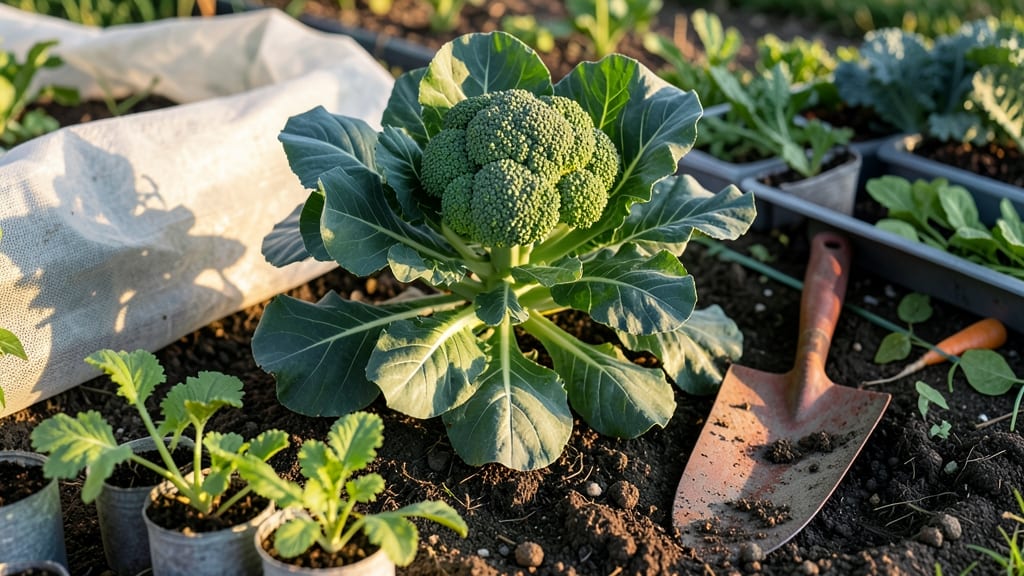
Planting fall vegetables in Virginia at the wrong time can turn your garden into a sad, frost-killed mess—or worse, a missed opportunity for fresh, homegrown harvests. The key isn’t just when you plant, but how you sync those dates with your local frost window, especially in zones 7a-8a where first frost hits between mid-October and early November.
I’ve seen gardeners rush to start seeds in July only to watch their broccoli bolt in August’s heat, or wait too long and end up with stunted carrots by December. The trick? Timing your 🥬 fall vegetables so they mature just before the cold sets in—without sacrificing flavor or yield.
Think of it like a race against the clock, but with rewards that last straight through Thanksgiving.
In this guide, I’ll break down the exact planting windows for Virginia’s top fall crops, from leafy greens to root vegetables, plus how to stretch your harvest with simple tricks like succession planting.
Whether you’re a first-time gardener or a seasoned pro, these frost-date secrets will help you avoid common pitfalls and keep your kitchen stocked with homegrown goodness.
Ready to turn your Virginia garden into a fall harvest powerhouse? Let’s dive into the zone-specific timeline that’ll have you reaping rewards long after your neighbors’ gardens have gone dormant.
Virginia’s fall planting timeline by frost Zone (5-8): exact dates for success
Fall gardening in Virginia thrives on precision—plant too early, and your cool-season crops bolt in the heat; too late, and frost ruins your harvest. Virginia spans USDA Zones 5-8, with first frost dates ranging from mid-October (Zone 5) to early November (Zone 8).
To maximize yield, aim to plant 4-8 weeks before your local first frost, giving crops time to mature before winter’s chill.
For example, in Zone 5 (e.g., Shenandoah Valley), where frost hits by October 15, start direct-sowing seeds by July 20 for quick-maturing crops like radishes or spinach.
In Zone 8 (e.g., Norfolk), with frost around November 1, you’ve got until early September to plant broccoli or kale for a late harvest. Always check your local frost date—even within zones, microclimates vary.
Here’s the key: Transplants (like seedlings) need more time than direct-sown seeds. Start broccoli seedlings indoors in early July for Zone 5, or late July for Zone 8, then transplant outdoors 4-6 weeks before frost.
For direct-sown crops (e.g., carrots, lettuce), sow seeds 30-60 days before your frost date to avoid bolting or frost damage.
Pro tip: Use succession planting—sow small batches every 2 weeks—to stagger harvests. This works especially well for leafy greens like spinach or root crops like beets, ensuring a steady supply until frost.
🌱
| Zone | First Frost | Transplant Window | Direct Sow Window | Example Crops |
|---|---|---|---|---|
| 5 (e.g., Roanoke) | Oct 15 | Jul 20–Aug 15 | Jul 1–Sep 1 | Kale, Broccoli, Spinach |
| 6 (e.g., Charlottesville) | Oct 25 | Jul 25–Aug 20 | Jul 10–Sep 10 | Carrots, Lettuce, Radishes |
| 7 (e.g., Richmond) | Nov 1 | Aug 5–Sep 5 | Jul 20–Sep 20 | Turnips, Swiss Chard, Peas |
| 8 (e.g., Norfolk) | Nov 10 | Aug 15–Sep 15 | Aug 1–Oct 1 | Collards, Cabbage, Beets |
Adjust for microclimates: Gardens near water or in valleys may frost earlier, while elevated areas stay warmer. If you’re unsure, err on the side of earlier planting—you can always use row covers to extend the season.
For example, in Zone 6, if your yard frosts by October 20 but your neighbor’s doesn’t, plant 2 weeks earlier than the table suggests.
Soil prep is critical too. Before planting, amend your soil with compost or aged manure to improve drainage and fertility. Cool-season crops thrive in 60–70°F soil, so avoid planting until soil temps drop below 80°F (use a soil thermometer if needed).
Test your soil’s pH—most fall veggies prefer 6.0–7.0, though brassicas (broccoli, kale) tolerate slightly acidic soil.
Don’t overlook spacing. Crowded plants compete for nutrients and light, leading to stunted growth. For instance, broccoli needs 18–24 inches apart, while radishes can squeeze into 2-inch gaps. Check seed packets for spacing guidelines, and thin seedlings promptly to avoid stress.
Finally, keep an eye on the weather forecast. If a hard freeze is predicted, rush to harvest tender crops like lettuce or spinach,
Top 7 fall vegetables to grow in Virginia and their ideal planting windows
Fall gardening in Virginia rewards patience with crisp, flavorful harvests—but only if you plant the right crops at the right time. Cool-season vegetables like lettuce and kale thrive in Virginia’s Zone 5-8 climate, while fast growers like radishes can squeeze in before frost.
Let’s break down the top 7 fall vegetables and their precise planting windows to maximize your garden’s potential.
For direct-sown crops, aim to plant 6-8 weeks before your first frost date (mid-October to early November). Transplants like broccoli and cabbage need 4-6 weeks to establish before cold sets in. Succession planting every 2 weeks ensures a steady supply of fresh produce all season long.
🌱 Did You Know? Virginia’s Zone 7-8 areas can push harvests even later—some gardeners in Richmond or Norfolk enjoy winter greens like spinach until December with frost protection!
🌿 Top 7 Fall Vegetables for Virginia Gardens
- 1. Lettuce & Spinach – Plant late July to mid-September; harvest in 30-50 days. Quick-growing and frost-tolerant—perfect for succession planting.
- 2. Kale – Sow mid-July to early September; harvest in 50-70 days. Sweetens after frost—ideal for Zone 6-8 gardeners.
- 3. Broccoli – Transplant mid-July to early August; harvest in 60-80 days. Needs full sun and rich soil for best yields.
- 4. Carrots – Direct-sow late July to mid-August; harvest in 60-75 days. Loose, rocky soil prevents forking—amend beds with compost.
- 5. Radishes – Plant late July to early September; harvest in 25-30 days. Fastest fall crop—great for interplanting with slower growers.
- 6. Turnips – Sow mid-July to early September; harvest in 40-60 days. Dual-purpose: eat greens or roots!
- 7. Green Onions – Plant late August to early September; harvest in 50-60 days. Cold-hardy and regrows after cutting.
Pro tip: Radishes and lettuce are your fall garden’s secret weapons—they mature quickly and can be interplanted with slower crops like broccoli. For example, sow radishes between broccoli rows in early August; by the time broccoli needs space, radishes will be ready to harvest!
Remember, soil temperature matters. Most fall veggies prefer soil temps below 75°F. Use a soil thermometer to check—if it’s above 80°F, wait a week or two before sowing seeds. Cool, moist soil = happy seedlings.
Now that you’ve got your planting windows locked in, your next move? Prep your soil with compost and mulch to retain moisture—Virginia’s fall rains can be unpredictable! 🌧️