
Plants
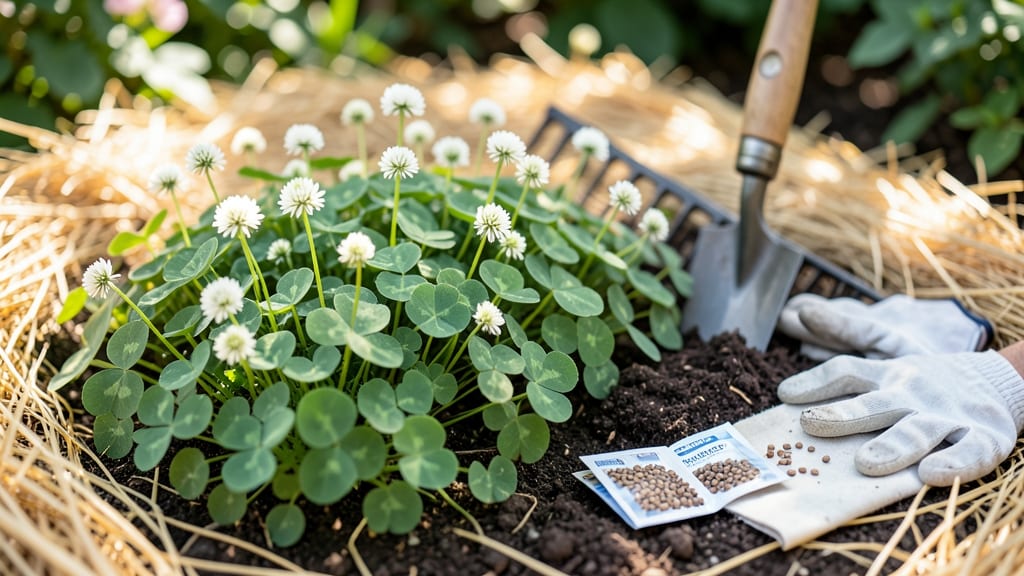
Knowing when to plant clover in Massachusetts can transform your lawn or garden from a patchy mess to a thriving, nitrogen-rich green space—without the fuss of synthetic fertilizers. With frost dates that shift from Boston to the Berkshires, timing matters more than you might think.
Skip the guesswork and plant at the perfect moment to give your clover the best shot at rooting deep and surviving those unpredictable New England springs.
Most gardeners in zones 6a-7a swear by early spring planting—think March to April—when soil temperatures hit that sweet spot of 50-60°F. But here’s the catch: fall planting in August to September works too, especially for varieties like white Dutch clover that hate soggy soil.
Whether you’re seeding a lawn, fixing bare spots, or growing clover as a living mulch, the key is beating the first frost by 6 weeks to avoid winter kill.
Let’s cut to the chase: I’ll break down the exact frost-date cheat sheet for your region, plus pro tips for adjusting planting if you’re in coastal areas (where frost comes later) or inland spots (where it hits earlier).
You’ll also discover which clover types thrive best in Massachusetts—whether you want low-growing white clover for walkways or hardy red clover for nitrogen boosts. Ready to plant with confidence?
No more second-guessing your calendar or wondering if your soil is ready. By the end, you’ll know exactly when to grab that seed packet, prep your soil, and watch your clover take off—without the trial-and-error headaches. Let’s get those roots growing!
Massachusetts frost dates & ideal planting windows for clover
Massachusetts’ USDA Zones 6a-7a create a 165-day frost-free season, but last frost dates vary by region. In Boston, expect April 15 as the average last frost, while Springfield sees it around April 20. Cape Cod’s coastal microclimate delays frost until May 1.
These variations directly impact when to plant white Dutch clover, red clover, or microclover for strong establishment.
For spring planting, aim for March-April once soil temperatures reach 50-60°F. This timing ensures seeds germinate before late spring frosts (common in inland areas like Worcester). Fall planting (August-September) offers a second chance, allowing clover to establish roots before winter dormancy.
Both windows avoid heat stress and drought risks during summer.
Here’s how soil temperature and moisture interact with planting success in Massachusetts:
| Region | Last Frost Date | Ideal Planting Window | Soil Temp Threshold | Notes |
|---|---|---|---|---|
| Boston | April 15 | March 15-April 15 | 50-60°F | Coastal areas may delay until April 20 |
| Worcester | April 20 | March 20-April 20 | 50-60°F | Inland frost risk higher; use row covers |
| Springfield | April 20 | March 25-April 25 | 50-60°F | Warmer inland microclimate; earlier planting possible |
| Cape Cod | May 1 | April 15-May 1 | 55-65°F | Cooler coastal soils; wait for warmer temps |
| All Regions | October 15 | August 15-September 15 | 60-70°F | Fall planting allows 6-8 weeks of growth before frost |
White Dutch clover thrives in cool spring soils and germinates best at 55-65°F, making it ideal for early spring or late fall planting.
In contrast, red clover prefers warmer soil temps (60-70°F), aligning better with late spring or early summer sowing. Microclover, a newer variety, adapts to cooler conditions and can be planted as early as March in protected areas.
Use a soil thermometer to monitor temperatures before planting. Morning hours (8-10 AM) are best for checking, as soil temps are most stable. If temps dip below 50°F, delay planting to avoid seed rot or poor germination.
In cooler inland areas, consider using black plastic mulch to warm the soil 2-3 weeks faster.
For fall planting, start 4-6 weeks before first frost (aiming for September 15 in most regions).
This gives clover time to establish a root system before winter. Red clover, with its deep taproots, benefits most from fall planting, while white Dutch clover can handle late fall sowing if protected with straw mulch.
Massachusetts’ variable rainfall patterns also play a
How to adjust planting for Massachusetts’ microclimates
Massachusetts’ coastal areas like Cape Cod and the South Shore enjoy later frost dates than inland regions, giving you an extra 2-3 weeks to plant clover in spring. For example, while Boston’s last frost typically hits around April 15, coastal spots may wait until May 1 or later.
Meanwhile, inland areas like Worcester and the Berkshires often see frost as early as April 1, so start your seeds indoors in late February or plant hardy varieties like white Dutch clover directly in late March.
If you’re gardening in shady spots—common in urban areas or under trees—opt for microclover or low-growing white clover, which tolerate partial shade better than sun-loving red clover.
These varieties can handle just 4-6 hours of sunlight daily, making them ideal for woodland gardens or northern exposures where frost lingers longer.
🌱
Coastal Areas: Delay planting until after May 1 to avoid late spring frosts near the shore. Use row covers if planting early.
Inland Areas: Plant 4-6 weeks before your region’s first frost date. Inland spots like the Pioneer Valley can see frost as early as October 1.
Shady Spots: Avoid red clover—it struggles in low light. Stick to microclover or white Dutch clover for partial shade.
To extend your clover’s growing season, use frost blankets or lightweight row covers in early spring or late fall. These protect young seedlings from unexpected frosts while still allowing sunlight and air circulation.
For example, if you plant red clover in late August in Worcester, a frost blanket can keep it growing until mid-October, giving roots time to establish before winter.
Another trick? Plant clover in raised beds if your ground stays soggy after spring rains. Raised beds warm up faster and drain better, which is crucial for white Dutch clover that hates waterlogged soil. Just ensure the bed gets at least 6 hours of sun to avoid leggy growth.
For urban gardeners in cities like Boston or Springfield, microclover is your best bet—it thrives in compacted soil and limited space, making it perfect for patios or small yards. Unlike traditional clover, it won’t take over and stays low enough for walking or playing.
Pro tip: If you’re unsure about your local frost dates, check the National Oceanic and Atmospheric Administration (NOAA) or your local Cooperative Extension Service. They provide hyperlocal frost predictions that can save your clover from a frozen fate.