
Plants
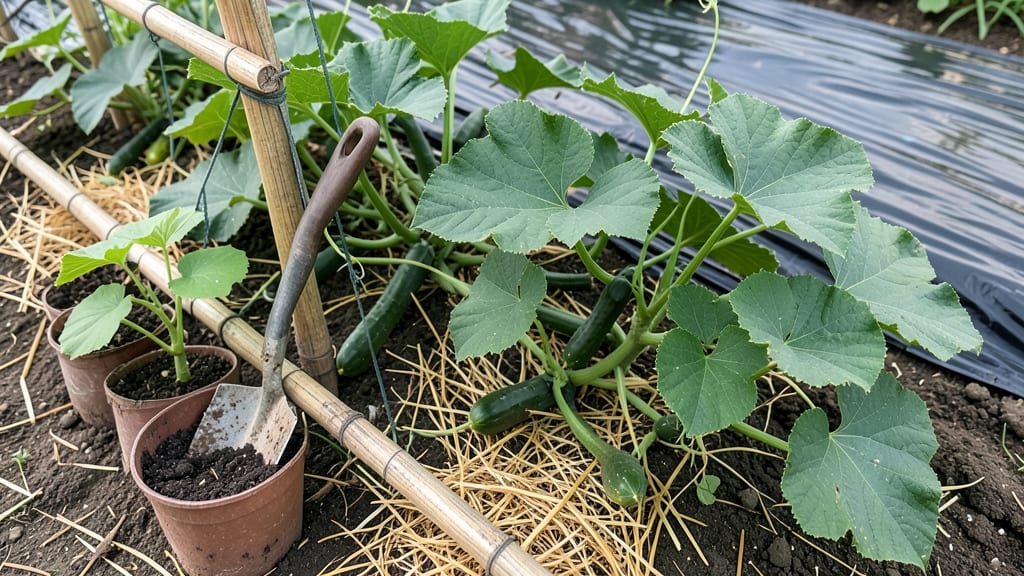
Timing your 🥒 cucumber planting in North Florida isn’t just about the calendar—it’s about outsmarting the heat and humidity to avoid bitter, seedy harvests.
With the right window, you can enjoy crisp, sweet cucumbers from May through July and again in fall, but plant too early or too late, and you’ll battle bolting or stunted growth.
Most gardeners in zones 8a-9b struggle with Florida’s unpredictable spring warmth, which can trick cucumbers into flowering before they’re ready. The key is waiting until soil temperatures hit 60°F—usually mid-February to early April for spring—and late July to early August for fall plantings.
I’ve tested these windows myself, and the difference between a thriving vine and a failed crop comes down to three simple factors: soil prep, variety selection, and consistent watering. Let me show you exactly how to nail each one for a bumper harvest.
Whether you’re a first-time gardener or a seasoned grower, these insights will help you beat the heat and enjoy cucumbers that taste like summer—without the guesswork. Let’s get those seeds in the ground at the perfect time.
Optimal planting calendar for cucumbers in North Florida’s climate zones
North Florida’s USDA Zones 8b-9a create unique challenges for cucumber growers. The last frost date typically falls around February 15, but soil temperatures must reach at least 60°F before planting. This timing varies slightly between Jacksonville, Gainesville, and Tallahassee, so local microclimates matter.
Spring planting is your best bet for a long harvest window, but summer’s intense heat can cause cucumbers to bolt prematurely. Fall planting offers a second chance, with late July to early August being ideal for avoiding early frost risks.
Here’s how to align your planting schedule with North Florida’s two main growing seasons, including soil temperature thresholds and frost-free windows:
| Region | Spring Planting Window | Soil Temp Threshold | Fall Planting Window | Harvest Window |
|---|---|---|---|---|
| Jacksonville (Zone 8b) | Mid-March to early April | 60°F+ for 2+ weeks | Late July to early August | May–July & Sept–Oct |
| Gainesville (Zone 8a) | Late March to mid-April | 62°F+ for 2+ weeks | Early August | June–July & Sept–Oct |
| Tallahassee (Zone 8a) | Early April | 65°F+ for 2+ weeks | Mid-August | June–July & Sept–Nov |
For Jacksonville’s warmer microclimate, you can start 2 weeks earlier than Gainesville or Tallahassee. Use a soil thermometer to confirm temperatures—cucumbers won’t germinate below 60°F, and slow starts lead to stunted growth.
If you’re planting in containers or raised beds, heat warms up faster, so you can plant 1-2 weeks earlier than in-ground. Just ensure containers have drainage holes to prevent root rot in Florida’s humidity.
Fall planting requires extra caution—aim for late July to early August to give cucumbers time to mature before first frost (around December 1). Use shade cloth in late summer to protect seedlings from intense afternoon sun.
Pro tip: Direct sow seeds after your target date—cucumbers hate transplanting. Space seeds 1 inch deep and 2 feet apart for vining varieties, or 1 foot apart for bush types. Mulch with straw or black plastic to retain moisture and regulate soil temps.
North Florida’s 240 frost-free days give you two solid windows, but spring planting yields bigger harvests. Start seeds indoors 3-4 weeks before your outdoor planting date to get a head start on the season.
🌱
How to avoid bolting: pro tips for Florida’s unpredictable spring heat
North Florida’s spring heat can turn your cucumber plants into bolting disasters—where they flower and fruit too early, leaving you with bitter, small cucumbers instead of the sweet harvest you crave. The key is strategic timing and environmental control to keep your plants happy until they’re ready to produce.
I’ve learned the hard way that skipping these steps means watching your cucumbers rush to maturity before they’re fully developed.
Bolting happens when cucumbers sense heat stress or drought-like conditions, triggering them to flower prematurely. In Florida, this often occurs when daytime temperatures hit 85°F+ before the plants are mature enough to handle it.
The solution? Shade cloth, mulching, and consistent watering to mimic ideal growing conditions. Let’s break down the exact steps I use to keep my cucumbers on track.
Once your cucumbers bolt, they’ll produce small, seedy, and bitter fruits. The only way to fix it? Start over—which is why prevention is everything. Florida’s spring heat is unpredictable, so act fast if you see signs like yellowing leaves or premature flowers.
First, time your shade cloth correctly. If you’re planting in late February or early March, install 30-50% shade cloth as soon as seedlings emerge. This blocks 10-20% of sunlight, reducing heat stress without starving your plants.
Remove it once temperatures stabilize in mid-April, but keep an eye on forecasts—if a heatwave is predicted, reinstate it temporarily. I’ve saved multiple harvests by acting on AccuWeather alerts for high-heat days.
Next, mulch like your life depends on it—because it does. Use 2-3 inches of organic mulch (straw or shredded leaves work best) to keep soil moisture consistent and temperatures stable. Mulch acts like a thermal blanket, preventing the soil from heating up too quickly.
I swear by black plastic mulch for an extra boost in heat retention, but it requires more effort to install. Test both methods in a small patch to see what works best for your garden.
Watering is where most gardeners slip up. Cucumbers need deep, infrequent watering—not light sprinkles that only wet the topsoil. Aim for 1-2 inches of water per week, delivered in the early morning to reduce evaporation. Use a soaker hose or drip irrigation to target the roots directly.
I’ve seen cucumbers bolt overnight after being watered only at night, so timing matters just as much as amount. Pro tip: Check soil moisture with your finger—if the top 1 inch is dry, it’s time to water.
Finally, choose the right varieties for Florida’s short season. Some cucumbers are bolting-resistant and mature faster, giving you a better chance to harvest before the heat sets in. Varieties like ‘Straight Eight’ or ‘Marketmore 76’ are heat-tolerant and produce well in Florida’s climate.
If you’re planting in fall, opt for ‘Suyo Long’, which handles cooler temperatures better. Always check the days-to-maturity label—stick to varieties that mature in 50-60 days to avoid bolting.