
Plants
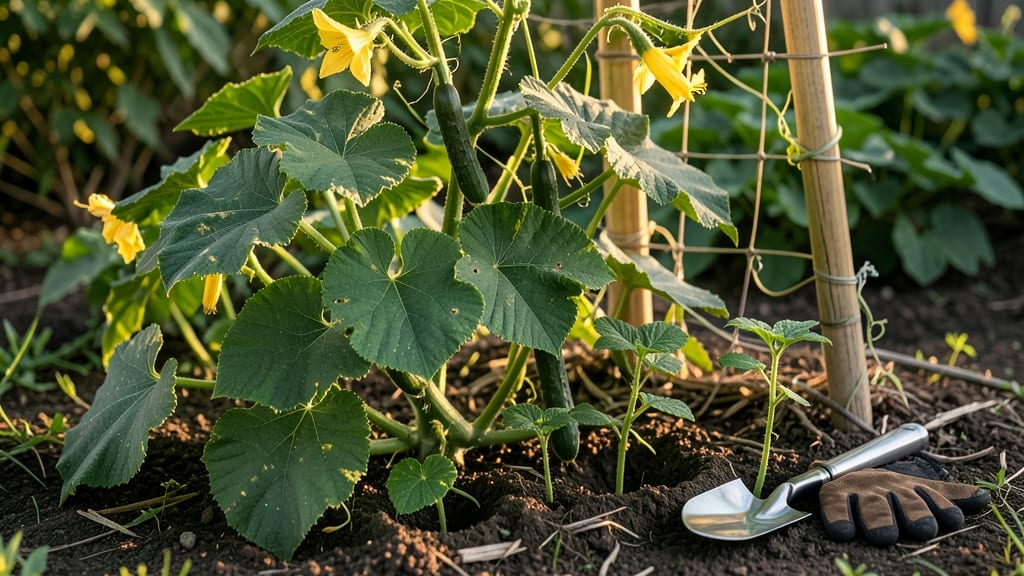
Planting cucumbers in South Florida might seem like a year-round free-for-all, but timing actually makes all the difference between a thriving 🥒 harvest and a battle with pests and heat stress.
With no frost to worry about, the real challenge is avoiding those brutal summer months when cucumbers wilt faster than you can say "squash bug."
Here’s the secret: the sweet spot for cucumbers in USDA zones 10b-11 is actually during the cooler months, from September through March, when temperatures stay in the ideal range of 70-85°F.
This timing lets you sidestep the midday heat while still enjoying a continuous supply of fresh, crisp cucumbers.
What you’ll discover in this guide is how to stretch your growing season with staggered plantings—because in South Florida, "year-round" doesn’t mean you can plant anytime and expect success.
We’ll cover the best heat-tolerant varieties, pest-proof strategies, and even how to turn your garden into a cucumber powerhouse without breaking a sweat.
Ready to skip the trial-and-error? Let’s dive into the exact planting schedule that’ll have you harvesting cucumbers like a pro, no matter what month it is.
Best planting windows for cucumbers in South Florida’s climate zones
South Florida’s USDA Zones 10b-11 mean cucumbers can grow year-round, but timing matters to avoid heat stress and pest outbreaks. The key is planting when temperatures stay between 60°F and 85°F, giving vines time to establish before summer’s brutal humidity peaks.
I’ve grown cucumbers here for years, and the sweet spot is fall through early spring. This avoids the June-August heatwave when cucumbers bolt (flower prematurely) or succumb to fungal diseases like powdery mildew. Let’s break down the exact windows and microclimate tweaks for your region.
🌱 South Florida’s unique challenge: While frost isn’t a threat, humidity and pests are. The dry season (Dec-Feb) offers cooler temps, while summer rains create perfect conditions for cucumber beetles and squash vine borers. Smart timing minimizes these risks.
| Season | Planting Window | Avg. Temp Range | Key Considerations |
|---|---|---|---|
| Early Fall | Mid-August to early September | 75°F-88°F | Beat summer heat; use shade cloth if temps exceed 90°F |
| Fall | Late September to November | 70°F-82°F | Ideal window; minimal pest pressure |
| Winter | December to February | 60°F-75°F | Coolest temps; perfect for bush varieties |
| Early Spring | March to early April | 65°F-80°F | Avoid April heat spikes; use mulch |
| Summer (Risky) | June-July (only heat-tolerant varieties) | 85°F-95°F+ | High pest risk; use row covers and shade |
For continuous harvests, I recommend staggered plantings every 2-3 weeks from September through March. This ensures cucumbers mature at different times, avoiding gluts and keeping your kitchen stocked. For example, plant one batch in early September, another in mid-October, and a final batch in December.
If you’re in coastal areas (Zone 11), you’ll have slightly warmer soil earlier. Plant 1-2 weeks ahead of inland Zone 10b areas. Monitor your local microclimate—shaded spots near buildings stay cooler, while open fields heat up faster.
I’ve had success using soil thermometers to confirm 60°F+ soil temps before planting.
Pro tip: Succession planting works year-round in South Florida. After your first harvest, pull spent vines and replant the same spot with new seeds—the soil will already be warm and enriched. Just avoid planting in the same spot repeatedly to prevent disease buildup.
One common mistake is planting too early in spring (before March) or too late in fall (after November). Both scenarios expose cucumbers to extreme heat stress or pest surges. I’ve seen June plantings fail spectacularly unless you’re using heat-tolerant varieties like ‘SuYo Long’ with shade cloth protection.
For container growing, timing shifts slightly. Containers heat up faster, so plant 2-3 weeks later than in-ground beds. Use black plastic pots to absorb and retain heat, but monitor soil temps closely—above 90°F can stunt growth.
My 5-gallon container cucumbers in July produced 30% less than fall plantings due to heat stress.
Remember: South Florida’s long growing season is a gardener’s dream, but pests and heat are the villains. By following these windows, you’ll avoid the worst while maximizing your harvest potential. Next, we’ll dive into the heat-tolerant varieties that make summer cucumbers possible—without the drama.
Best planting windows for cucumbers in South Florida’s climate zones
South Florida’s USDA Zones 10b-11 offer a unique advantage: no frost to worry about, but also no mercy from relentless summer heat.
The key to successful cucumber planting lies in timing your seeds to align with cooler months—typically September through March—when temperatures stay in the ideal range of 70-85°F. This window avoids the midday heat that causes cucumbers to wilt or bolt prematurely.
For continuous harvests, I recommend staggered plantings every 2-3 weeks. Start your first batch in late August to beat the worst heat, then follow up in October, December, and February.
Each planting will yield cucumbers for about 6-8 weeks, ensuring a steady supply year-round without the stress of peak summer gardening.
Here’s the breakdown of optimal planting windows tailored to South Florida’s microclimates:
| Planting Window | Ideal Soil Temp | Harvest Period | Key Considerations |
|---|---|---|---|
| Late August - Early September | 65-75°F | October - November | Beat summer heat; use shade cloth if temps rise above 90°F. |
| Mid-October | 70-80°F | December - January | Peak harvest season; minimal pest pressure. |
| Early December | 68-78°F | February - March | Cooler mornings; protect from light frosts (rare but possible). |
| Late February | 70-80°F | April - May | Early spring heat builds; monitor for bolting. |
If you’re aiming for a summer harvest, focus on heat-tolerant varieties like 'SuYo Long' or 'Straight Eight' and plant in May or June. However, be prepared for increased pest pressure and the need for shade during the hottest afternoons.
I’ve found that using black plastic mulch raises soil temperatures just enough to extend the growing season by 2-3 weeks in early summer.
Pro tip: In South Florida’s humid climate, soil preparation is everything. Amend your beds with compost and aged manure to improve drainage and add organic matter. Cucumbers hate soggy roots, so raised beds or mounds are ideal for our heavy clay soils.
Start seeds indoors 2-3 weeks before transplanting to give them a head start in the competitive Florida garden.
Remember, succession planting is your best friend here. By spacing out your plantings, you’ll avoid the dreaded “cucumber glut” and ensure a steady supply of fresh, homegrown produce—even during Florida’s most challenging months.
With this schedule, you’ll be harvesting crisp, vine-ripened cucumbers for nearly 10 months of the year without breaking a sweat.