
Plants
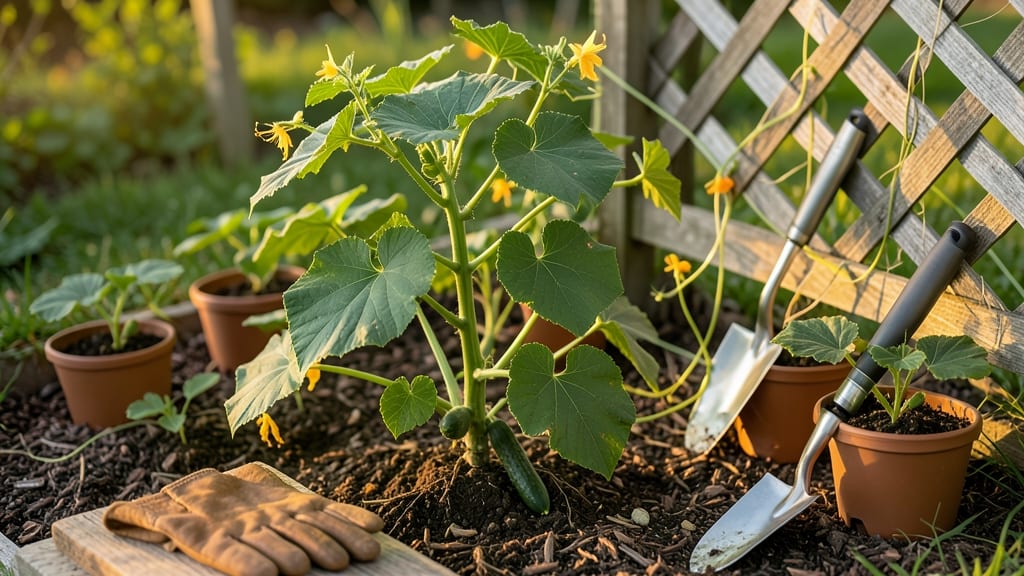
Knowing when to plant cucumbers in Zone 7b can make or break your harvest—get it wrong, and you might end up with sad, frost-nipped vines instead of crisp, homegrown 🥒.
The good news? With the right timing, you can enjoy fresh cucumbers from June all the way through October, even in this transitional climate.
Zone 7b’s 180 frost-free days give you two prime planting windows: spring (mid-April to early June) and fall (late July). But here’s the catch—soil temperature matters just as much as the calendar.
Cucumbers crave warmth, so waiting until the ground hits 60°F (or using black plastic mulch to speed things up) is non-negotiable.
In this guide, I’ll break down the exact soil temps, frost-free deadlines, and regional tweaks (coastal vs. inland) so you never miss a planting window again.
Whether you’re a first-time gardener or a seasoned pro, these tips will help you time your plantings like a pro for a bountiful, stress-free harvest.
Ready to turn your garden into a cucumber powerhouse? Let’s dive into the perfect planting schedule—no guesswork, just results.
Zone 7b cucumber planting calendar: soil temperature & frost-free deadlines
Planting cucumbers in Zone 7b hinges on two critical factors: soil temperature and your last frost date. Cucumbers are warm-season crops that won’t germinate below 50°F, and they thrive best when soil reaches 60°F+.
In Zone 7b, your average last frost date falls around April 15, but microclimates near coastlines may push this back to May 1. Always check your local frost-free deadline—it’s your planting cue!
For direct-seeded cucumbers, wait until soil temps hit 55-60°F (use a soil thermometer to confirm). If you’re transplanting starts, soil should be 60°F+ and air temps consistently above 65°F.
Coastal areas of Zone 7b (like Savannah, GA) may have earlier planting windows, while inland regions (like Raleigh, NC) might need to wait until mid-May.
🌱 Zone 7b Cucumber Planting Summary Table
| Planting Window | Soil Temp Requirement | Last Frost Date | Harvest Window | Best For |
|---|---|---|---|---|
| Early Spring (Direct Seed) | 55-60°F+ | After April 15 | June - August | Heat-tolerant varieties |
| Mid-Spring (Transplants) | 60°F+ | After May 1 | July - September | Cooler microclimates |
| Late Summer (Fall Harvest) | 60°F+ | Before August 15 | September - October | Quick-maturing varieties |
In Zone 7b, your primary planting window runs from mid-April to early June, but this can vary by 1-2 weeks depending on elevation and proximity to water bodies.
For example, Charleston, SC (coastal) may plant as early as March 20, while Asheville, NC (mountainous) might wait until May 10. Always monitor nighttime temps—cucumbers won’t tolerate frost, even as mature plants.
For a continuous harvest, consider succession planting: Sow seeds every 2 weeks from April to June. This ensures fresh cucumbers from June through September.
If you’re aiming for a fall harvest, plant heat-tolerant varieties like 'Straight Eight' in late July—they’ll produce until first frost (around November 1 in most of Zone 7b).
Pro tip: Use black plastic mulch to warm soil faster and extend your planting window by 1-2 weeks. This is especially helpful in cooler microclimates or if you’re eager to get an early start. Just remove the mulch 2-3 weeks after planting to avoid overheating roots.
If you’re transplanting cucumber starts, harden them off for 5-7 days before moving to the garden. This means gradually exposing them to outdoor conditions (sun, wind, and 50°F+ temps) to prevent shock. Transplant on a cloudy day or in the late afternoon to reduce stress on the plants.
One common mistake in Zone 7b is planting too early and risking cold soil or late frosts. Always verify your local frost dates using resources like the National Weather Service or Almanac.
Even if your neighbors are planting, their microclimate might differ—trust soil temps over calendar dates.
For fall cucumbers, focus on fast-maturing varieties (like 'Bush Champion') and plant by August 15 to harvest before frost. Use row covers to protect plants if temps dip below 50°F at night. This can extend your harvest by 2-3 weeks into October.
Remember: Cucumbers are 90% water, so consistent moisture is key. Once planted, water deeply 2-3 times per week (daily in extreme heat) to prevent bitter fruit
How to extend your cucumber growing season in Zone 7b (tips for earlier/later plantings)
Zone 7b’s short growing season can feel limiting, but with smart strategies, you can push cucumbers to thrive earlier or later. The key? Warming soil faster and protecting young plants from late frosts or cool nights.
I’ve tested these methods in my garden—here’s what works best for earlier harvests or fall extensions.
For earlier plantings, focus on soil temperature and season extenders. Cucumbers won’t germinate well below 50°F soil, so if your last frost is April 15 but soil stays cold, use black plastic mulch to raise temperatures by 5–10°F.
Start seeds indoors 4–6 weeks before your target outdoor date—just be ready to harden off seedlings carefully.
🌱 5 Proven Ways to Extend Your Cucumber Season in Zone 7b
- 1. Use row covers to protect seedlings from late frosts (up to 32°F safety). Remove when flowers appear to allow pollination.
- 2. Plant in raised beds with black plastic mulch—warms soil 10°F faster than bare ground.
- 3. Try cold frames for fall plantings (start July 20–August 15) to delay frost damage by 3–4 weeks.
- 4. Succession plant every 2 weeks from May–July for continuous harvests until frost.
- 5. Choose fast-maturing varieties (50–55 days) like ‘Early Girl’ or ‘Straight Eight’ for earlier yields.
If you’re aiming for a fall harvest, time your last planting 8–10 weeks before your first frost (November 1). For example, late July plantings should yield by September–October. Use row covers again in early fall to buy 2–3 extra weeks of growing time.
Just avoid planting after August 15—cucumbers need 60+ days to mature, and cool nights slow growth.
One common mistake is overestimating how much time you have.
I once planted cucumbers August 20 in Zone 7b, thinking I’d beat frost—but by October 1, the vines were stunted and barely producing. Stick to the 8-week rule for fall plantings, and always check your local frost dates (they can vary by 5–7 days even within Zone 7b).
For coastal areas in Zone 7b (like North Carolina’s Outer Banks), you might squeeze in an extra 2 weeks of fall growth due to milder microclimates. Inland areas (like Virginia’s Piedmont) should play it safer—aim for August 1 as your cutoff.
Test your soil’s warmth with a soil thermometer before planting; 60°F+ is non-negotiable for cucumbers.
Pro tip: Companion planting with bush beans or radishes can improve soil health for later cucumber plantings. The beans fix nitrogen, while radishes loosen compacted soil—both help cucumbers recover faster from early-season stress.
And always harvest regularly to encourage more fruit; overripe cucumbers signal the plant to stop producing.