
Plants
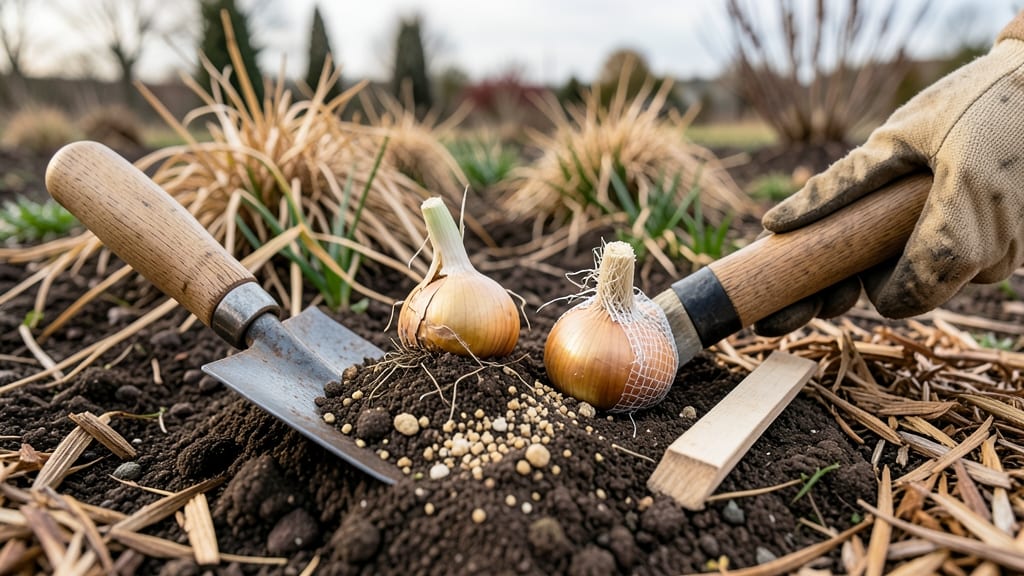
Planting daffodil bulbs at the wrong time in Alabama means waiting an extra year for those cheerful 🌼 blooms to brighten your spring garden.
The secret to success lies in understanding your USDA Zone—whether you're in 7b or 8a—where timing can make all the difference between thriving flowers and disappointed gardeners.
Most gardeners in Alabama know fall is the perfect window, but the exact weeks matter more than you think. Planting too early means bulbs might sprout before winter, while waiting too long risks them not rooting before the ground freezes.
I'll show you exactly when to get those bulbs in the soil for zero-frost blooms next spring.
What you'll discover is that Alabama's climate gives you a 3-month window—from October through December—where soil temperatures and frost patterns align perfectly. We'll cover how to adjust for North vs. South Alabama's microclimates and why mulching makes all the difference in protecting your investment.
Even experienced gardeners make common mistakes like planting too shallow or ignoring soil drainage—both critical factors in Alabama's clay-heavy soils. Let's cut through the guesswork so you can enjoy vibrant daffodils that emerge reliably year after year with minimal effort.
Best planting months for daffodils in Alabama (Zone 7b/8a)
Alabama’s USDA Zones 7b/8a offer a narrow window for planting daffodil bulbs—too early, and they’ll rot; too late, and they’ll miss their growth cycle. The ideal time is when soil temperatures drop to 50–60°F, typically between mid-October and mid-November. This ensures bulbs establish roots before winter dormancy.
North Alabama (Zone 7b) has an earlier frost date (November 15), so aim for planting by October 31. South Alabama (Zone 8a) can extend planting until December 15, thanks to milder winters.
Always check your local last frost date and plant 6–8 weeks before ground freezes.
Daffodils need cold stratification to bloom, so planting in late fall triggers their natural cycle. Bulbs planted in early spring (after March 1) will likely rot or fail to flower that year. This timing ensures zero-frost blooms by early spring.
Soil temperature is critical—use a soil thermometer to confirm 50–60°F before planting. In Alabama’s clay-heavy soils, amending with compost improves drainage, which is vital for bulb health. Avoid planting when soil is waterlogged or still warm from summer.
Local microclimates matter! Urban areas may experience earlier frosts than rural zones, so adjust your schedule accordingly. For example, Huntsville (Zone 7b) should plant by October 20, while Mobile (Zone 8a) can wait until November 30
Here’s a quick comparison to help you decide: If you miss the fall window, you can plant daffodils in early January, but blooms may be delayed or less vigorous. For zero-frost blooms, stick to the October–November window. In Alabama’s climate, this timing ensures bulbs establish roots before winter and emerge early next spring. Pro tip: Mark your calendar for October 15–November 15 as your planting window. Use a bulb planter or trowel to dig holes 6–8 inches deep and space bulbs 4–6 inches apart. This spacing prevents overcrowding and encourages larger blooms. Remember, daffodils are hardy perennials, meaning they’ll return year after year if planted correctly. With Alabama’s mild winters, they’ll naturalize and multiply, creating stunning spring displays with minimal maintenance. Just get those bulbs in the ground at the right time! 🌼
How to time your planting for zero-frost blooms in Alabama
Timing your daffodil bulb planting correctly ensures those cheerful yellow blooms appear right before Alabama’s last frost—typically around March 15. The key is planting bulbs 6-8 weeks before the ground freezes, usually in October or November.
This gives roots time to establish without the bulbs sprouting too early and getting damaged by winter cold.
In USDA Zone 7b, where hard freezes can dip to 0°F, aim for planting by November 15. For Zone 8a, where temps rarely drop below 10°F, you have a slightly longer window—planting can extend into early December.
The goal is to let bulbs root deeply before winter dormancy begins.
Here’s my foolproof method: Start by checking your local soil temperature. Use a soil thermometer to confirm temps are consistently below 60°F but above 40°F—the sweet spot for daffodil bulb planting.
In Alabama, this usually aligns with late October. If you’re unsure, err on the earlier side—October is better than November for most gardeners.
- 📅 Late October: Plant bulbs in Zone 7b before November 15. Soil should be cool but workable.
- 🌡️ Mid-November: For Zone 8a, plant bulbs now—soil temps drop below 50°F.
- 🪴 Early December: Last chance for Zone 8a gardeners; avoid planting after December 10.
- 💧 Post-Planting: Water deeply to settle soil around bulbs, then reduce watering until spring.
- ❄️ Winter Prep: Apply 3-4 inches of mulch after ground freezes to insulate bulbs.
Don’t skip the mulching step—it’s your secret weapon against Alabama’s winter temperature swings. A thick layer of straw or shredded leaves keeps soil temps stable and prevents heaving (when bulbs push out of the ground during freeze-thaw cycles).
I’ve seen daffodils survive -5°F temps with proper mulching, while unprotected bulbs often rot or sprout too early.
Pro tip: If you’re in North Alabama (closer to Zone 7b), plant bulbs 2 weeks earlier than those in South Alabama (Zone 8a). Microclimates matter—even a few miles can shift your frost date by a week.
Check your local frost calendar or use the Alabama Cooperative Extension Service as your guide.
Finally, avoid the temptation to plant in early September. While daffodils can handle cool soil, planting too soon means bulbs may sprout prematurely and get fried by early fall heat.
Stick to the October-November window, and you’ll wake up to bright blooms by March—just in time for Alabama’s spring parade of colors! 🌼