
Plants
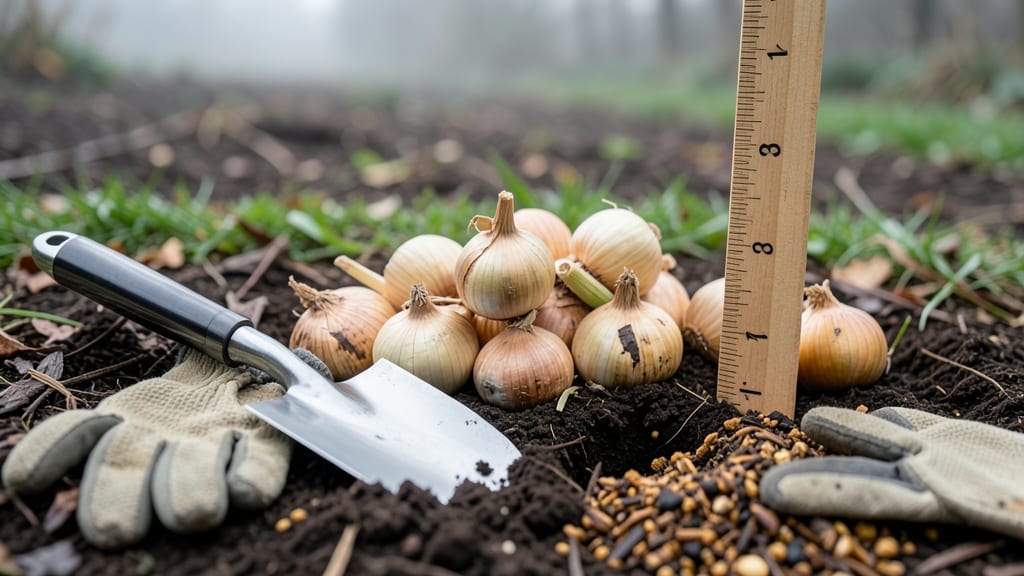
If you're dreaming of bright yellow 🌼 daffodils popping up in your Tennessee garden next spring, timing your fall planting is the secret weapon. Plant too early, and those bulbs might rot in soggy soil; too late, and they’ll miss the frost window entirely.
Tennessee’s USDA Zone 6a-7b climate gives you a narrow but critical window—typically October through November—to get those bulbs in the ground. The key is planting 6-8 weeks before the first frost, which usually hits around mid-October in most regions.
But here’s the thing: not all of Tennessee plays by the same rules. Whether you’re in Nashville’s urban heat pockets or the cooler Appalachian highlands, local microclimates can shift your ideal planting date by weeks. I’ll break down exactly how to adjust for your specific corner of the state.
Ready to set your garden up for zero-frost blooms next spring? Let’s dive into the perfect timing, soil prep, and regional tweaks that’ll make your daffodils shine brighter than ever.
Best planting months for daffodils in Tennessee’s USDA Zone 7 (with frost timing)
Tennessee’s USDA Zone 7 climate creates the perfect window for planting daffodil bulbs—just 6–8 weeks before the first frost. This typically lands between mid-October and early November, but exact timing depends on your specific microclimate.
Planting too early risks bulb rot in warm soil, while waiting too late may leave bulbs vulnerable to winter freeze before rooting.
For most of Tennessee, the first frost date falls around mid-October in the mountains and late October to early November in the western and central regions. Using this as your guide, aim to plant daffodils between October 1st and November 15th.
This timing ensures bulbs establish roots before winter dormancy but avoid the heat of late summer.
If you’re unsure about your exact frost date, check the National Weather Service or local Cooperative Extension Service for your county’s historical averages. For example, Nashville (Zone 7a) typically sees its first frost around October 20th, while Chattanooga (Zone 7b) might wait until November 5th.
Adjust your planting schedule accordingly.
🌼 Tennessee Daffodil Planting Timeline
| Stage | Action | Soil Temp |
|---|---|---|
| Prep Soil | Loosen soil, add compost | 60-70°F |
| Plant Bulbs | 6-8 weeks before frost | 50-60°F |
| Root Establishment | Bulbs root before freeze | Below 50°F |
| Winter Dormancy | Bulbs rest in cold soil | Below 40°F |
| Spring Bloom | Flowers emerge in March | 40-50°F |
🌱 Pro Tip: Use a soil thermometer to confirm soil temps are below 60°F before planting.
Soil temperature is just as critical as frost dates. Daffodil bulbs need cooler soil (50–60°F) to trigger root growth. If your soil stays too warm in late October, bulbs may sprout prematurely and get damaged by frost.
Test your soil with a thermometer or wait until nighttime temperatures consistently drop below 65°F.
For gardeners in eastern Tennessee’s higher elevations (e.g., Great Smoky Mountains), frost can arrive as early as September 20th. In these areas, plant daffodils by mid-September to avoid missing the window. Conversely, western Tennessee’s warmer climate (e.g., Memphis) may allow planting until November 15th.
If you’re still unsure about timing, use the "6-week rule": Count backward 6 weeks from your average first frost date. For example, if frost hits November 1st, plant by September 15th. This simple method ensures bulbs have enough time to root before winter sets in.
Once planted, mulch heavily with straw or leaves to protect bulbs from extreme cold and temperature fluctuations. This extra layer also helps retain moisture and suppresses weeds, giving your daffodils a strong start for next spring’s vibrant blooms.
Remember, daffodils are hardy perennials that multiply over time. Even if you miss the ideal window, bulbs planted in early December may still survive—though they’ll need extra mulch protection. The key is getting them in the ground before the soil freezes solid.
With the right timing, your Tennessee garden will burst with cheerful yellow and white daffodils by March or April, brightening your landscape before tulips and hyacinths even make an appearance. Happy planting! 🌼
How to adjust planting time for Tennessee’s microclimates (east vs. west vs. mountain regions)
Tennessee’s diverse geography means first frost dates can vary by 4–6 weeks between regions. In the Appalachian Mountains, early frosts arrive by late September, while Nashville’s urban heat island often delays frost until mid-October.
East Tennessee’s high elevations (like Great Smoky Mountains) may see frost by October 1st, while West Tennessee’s Mississippi River Valley can wait until mid-November.
This variability means planting windows shift dramatically. For example, Chattanooga’s Zone 7a gardeners should plant by October 15th, while Memphis’ Zone 7b can extend planting until November 1st. Even within cities, microclimates matter—backyard soil near wooded areas freezes faster than sunny, paved areas.
🌿
| Region | USDA Zone | Avg. First Frost | Ideal Planting Window | Soil Prep Tip |
|---|---|---|---|---|
| East Tennessee (Appalachians) | 6a-7a | Late Sept–Oct 1 | Sept 15–Oct 10 | Add compost to cold soil |
| Middle Tennessee (Nashville) | 7a-7b | Mid-Oct–Oct 20 | Oct 1–Nov 1 | Use mulch for warmth |
| West Tennessee (Memphis) | 7b-8a | Nov 1–Nov 15 | Oct 15–Dec 1 | Plant deeper (6") for heat |
| Urban Heat Islands (Nashville/Chattanooga) | 7a-7b | Oct 20–Nov 5 | Nov 1–Nov 15 | Water deeply before planting |
For high-elevation gardens (e.g., Cumberland Gap), prioritize early planting by September 15th and use straw mulch to insulate bulbs. In lowland areas like Jackson, you can plant as late as December 1st, but bulbs need 6–8 weeks of cool soil to root before dormancy.
Check your local Cooperative Extension Service for precise frost data—some years, La Niña patterns can push frost dates 2 weeks earlier.
Pro tip: Test soil temperature with a soil thermometer—ideal planting temps are 50–60°F. If your soil is warmer than 65°F, wait 2–3 weeks or plant in shaded beds to cool the soil faster.
In sandy soils (common in West TN), bulbs dry out quickly—amend with peat moss to retain moisture.
If you’re in transition zones (like Knoxville), split your planting: 60% in October and 40% in November to hedge against early frost. For container gardens, use black plastic pots—they absorb heat and extend the planting window by 1–2 weeks in cooler microclimates.
✂️