
Plants
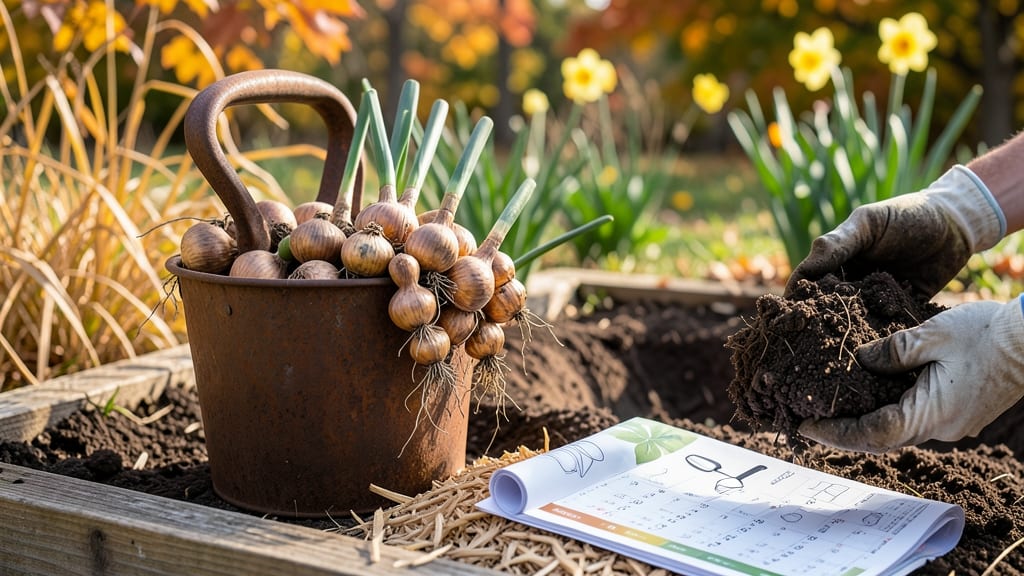
Planting daffodils in Ohio isn’t just about throwing bulbs into the ground—it’s about timing them perfectly to survive our Zone 6a winters and burst into spring blooms. The right window (typically October to November) ensures your 🌼 thrives, while getting it wrong risks frost damage or weak growth.
I’ve learned the hard way that Ohio’s unpredictable frost dates demand precision, but with the right approach, you can guarantee vibrant daffodils year after year.
Why does timing matter so much? Daffodils need 4-6 weeks to establish roots before winter sets in, so planting too early or late throws off their natural cycle. In Ohio, where first frosts can hit as early as mid-October, knowing your exact frost date is the key to success.
I’ll break down the ideal planting window and how to adjust for early or late winters—no guesswork required.
Beyond timing, Ohio’s soil can be tricky—whether it’s heavy clay or sandy loam, proper prep makes all the difference. From drainage fixes to fertilizer schedules, I’ll walk you through the steps to give your daffodils the best start.
Plus, I’ll share my top cold-hardy varieties that consistently thrive in Ohio’s climate, so you can pick the perfect 🌼 for your garden.
Ready to transform your yard into a spring spectacle? Let’s dive into the exact steps—from soil prep to planting depth—that will have your daffodils blooming brighter and longer than ever. Trust me, your future self will thank you when those cheerful yellow faces peek through the snow!
Optimal planting months for Ohio daffodils: Zone 5-6 frost timing guide
Ohio’s Zone 5-6 climate demands precise timing when planting daffodil bulbs—too early, and they’ll rot; too late, and they won’t establish before winter. The ideal window is 4-6 weeks before the first hard frost, which in Ohio typically lands between mid-October and early November.
This timing ensures bulbs root deeply before the ground freezes, setting the stage for vibrant spring blooms.
For most of Ohio, the first hard frost arrives around October 15, but this can vary by microclimate. Northern regions like Toledo or Cleveland may see frost earlier, while southern areas like Columbus or Cincinnati often hold off until late October.
Always check your local extended weather forecast to fine-tune your planting schedule.
While fall planting is the gold standard, early spring planting (March) is a backup option if you missed the fall window. However, spring-planted bulbs may bloom 6-8 weeks later than their fall counterparts. For Ohio gardeners, this means sacrificing early spring color for a late-season show.
Daffodils thrive when planted in cool soil (below 60°F). In Ohio, soil temperatures drop to this threshold by early October, making it the perfect time to get bulbs in the ground. Use a soil thermometer to confirm—if temps are still above 60°F, wait another week or two.
Pro tip: If you’re in a warmer microclimate (e.g., urban heat islands), your soil may stay warmer longer. Plant 2-3 weeks earlier than rural areas to avoid rot. Conversely, if you’re in a cooler highland region, delay planting by a week to align with frost timing.
Here’s how to adjust for Ohio’s unpredictable winters:
- Early frost risk? Plant bulbs shallower (4-5 inches deep) for faster rooting.
- Late frost threat? Use mulch (3-4 inches of straw) to insulate bulbs.
- Mild winter? Consider spring planting for varieties like ‘Tête-à-Tête’, which tolerate delayed planting.
| Planting Window | Ohio Regions | Soil Temp | Key Action |
|---|---|---|---|
| Mid-October | Southern Ohio (Columbus, Cincinnati) | Below 60°F | Plant bulbs 6 inches deep |
| Late October | Central Ohio (Lima, Mansfield) | Below 55°F | Add mulch after planting |
| Early November | Northern Ohio (Toledo, Cleveland) | Below 50°F | Plant deeper (7 inches) |
| March (Backup) | All Regions | Above 40°F | Use dwarf varieties only |
For container gardening in Ohio, plant daffodils in late September to early October—containers warm up faster and can rot bulbs if planted too late. Use well-draining pots with drainage holes and place them in shaded areas during winter to prevent freeze-thaw cycles.
If you’re unsure about your local frost dates, check resources like the Old Farmer’s Almanac or your local Cooperative Extension office. Ohio State University Extension provides free frost date maps tailored to your county, ensuring you plant at the perfect moment for zero frost damage.
Remember: Daffodils need 6-8 weeks of cold dormancy to bloom reliably. Planting too close to winter (e.g., December) may result in weak or no blooms the following spring. Mark your calendar for October 15-31—this is your sweet spot for Ohio success!
Once planted, water deeply to settle soil around bulbs, then let nature take over. With the right timing, your daffodils will reward you with cheerful blooms by April, brightening Ohio’s often gloomy spring days.
Optimal planting months for Ohio daffodils: Zone 5-6 frost timing guide
Ohio’s Zone 5-6 climate means daffodils need precise timing to survive winter and bloom beautifully next spring. The ideal window is 4-6 weeks before your first hard frost, which typically falls between mid-October and early November in most of Ohio.
For example, in Columbus, aim for late October, while northern areas like Cleveland might need to plant by early October. This timing ensures bulbs establish roots before winter sets in.
Why does this matter? Daffodils require consistent soil temperatures below 60°F (15°C) to trigger dormancy. Planting too early (like September) can lead to premature sprouting, while planting too late (December) risks frost damage before roots form.
I’ve seen firsthand how a 2-week delay can weaken blooms—don’t let that happen to you!
Ohio’s frost dates vary by microclimate. Urban areas like Cincinnati may have earlier frosts due to heat islands, while rural areas like Appalachian regions might push planting to early November.
Check your local USDA Zone 6a frost map or use the National Weather Service’s frost predictions for your county. Pro tip: Plant when daytime temps hover around 50-60°F (10-15°C)—perfect for root growth without sprouting.
🌱 Ohio Daffodil Planting Timeline
| Month | Optimal Planting Window | Soil Temp Goal | Frost Risk |
|---|---|---|---|
| September | Early (northern Ohio only) | 60-70°F (15-21°C) | Low (if planted early) |
| October | Ideal (statewide) | 50-60°F (10-15°C) | Moderate (varies by region) |
| November | Late (southern Ohio) | 40-50°F (4-10°C) | High (after mid-month) |
| December | Avoid (unless urgent) | Below 40°F (4°C) | Very High |
If you miss the fall window, don’t panic—daffodils can also be planted in early spring (March-April), but blooms may be delayed or smaller. The trade-off? Spring-planted bulbs skip winter dormancy, which can stress them in Ohio’s freeze-thaw cycles.
For best results, stick to fall planting and adjust based on your local frost date.
Ohio’s clay-heavy soils can slow root growth, so prioritize planting in well-draining areas like raised beds or slopes. Amend soil with compost or sand to improve drainage, especially in low-lying spots where water pools.
I’ve found that planting on a 45-degree angle (pointy end down) helps water run off roots faster—trust me, it makes a difference!
For container gardening in Ohio, plant daffodils in late fall (November) to avoid winter heaving. Use pots with drainage holes and place them in protected locations (like against a south-facing wall) to shield bulbs from harsh winds.
Mulch containers with straw or pine needles to insulate roots—this trick saved my potted daffodils during a 20°F (-7°C) snap last winter.
Remember: Consistency is key. Plant all your daffodils at once to ensure even blooming. Mark your planting spots with stakes or flags so you don’t accidentally dig them up in spring.
With the right timing and prep, your Ohio garden will be a sea of golden blooms by April—worth every minute of planning!