
Plants
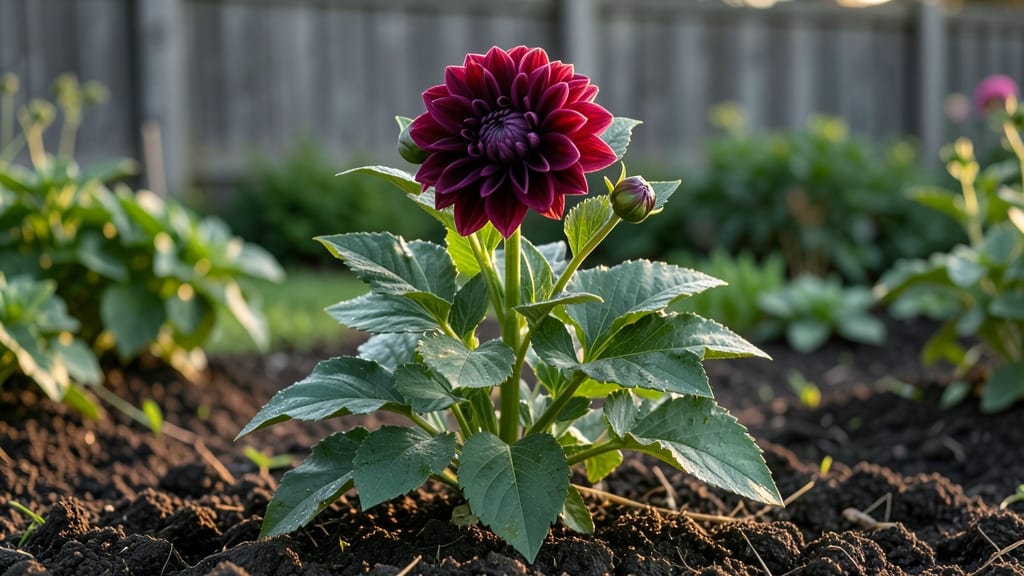
Planting dahlia bulbs at the wrong time in Wisconsin can mean the difference between a show-stopping summer garden and wasted effort. With USDA zones 4b-5b and unpredictable frost dates, getting the timing right is everything for your 🌸 dahlias to thrive.
Most gardeners in Wisconsin wait until mid-to-late May, but that’s not a one-size-fits-all answer. Soil temperature and last frost dates vary across the state, and planting too early can leave your tubers vulnerable to cold snaps.
Let’s break down the exact window for your zone so you can avoid common mistakes and maximize your blooms.
You’ll discover when to plant—whether you’re in the warmer southern regions or colder northern areas—and how to prep your soil for success. From mulching tips to adjusting for late frosts, I’ll share the proven strategies Wisconsin gardeners use to ensure their dahlias burst into color without delay.
Ready to transform your garden? By the end, you’ll know the perfect moment to plant your dahlias, plus how to extend their season for months of vibrant blooms. Let’s get those tubers in the ground the right way!
Wisconsin dahlia planting timeline by hardiness Zone: exact dates to avoid frost damage
Wisconsin’s USDA Zones 3-5 create a tricky balance for dahlias—too early, and a late frost kills tender sprouts; too late, and your blooms arrive after summer’s peak. The key is planting when soil temperatures hit 55°F+ and last frost dates have passed.
For most of Wisconsin, this falls between mid-May and early June, but your exact timing depends on whether you’re in Southern Wisconsin (Zone 5), Central Wisconsin (Zone 4b), or Northern Wisconsin (Zone 3-4a).
Southern Wisconsin gardeners in Milwaukee or Madison often see their last frost around May 15, giving them a window to plant as early as late April if using row covers or cold frames.
Meanwhile, Green Bay or Eau Claire in Northern Wisconsin typically wait until May 25–June 1 to ensure safety. Always check your local Almanac frost dates—they’re your best guide!
Dahlias thrive in 60°F+ soil, which usually aligns with Wisconsin’s late May average. Use a soil thermometer to confirm—planting too soon in cold, wet soil causes rot.
If your garden bed is still below 50°F, hold off until conditions improve. Patience here means zero frost damage and stronger stems later.
| Zone | Last Frost (Avg.) | Ideal Planting Window | Soil Temp. Threshold | Key Cities |
|---|---|---|---|---|
| 5 (Southern WI) | May 10–15 | Late April–early May | 55°F+ | Milwaukee, Madison |
| 4b (Central WI) | May 15–25 | Mid-May | 60°F+ | Waukesha, Fond du Lac |
| 3–4a (Northern WI) | May 25–June 1 | Late May–early June | 60°F+ | Green Bay, Eau Claire |
*Use a soil thermometer to confirm readiness—dahlias hate cold, soggy soil!
For Northern Wisconsin gardeners, consider starting dahlias indoors in March to give them a head start. Use 6-inch pots with well-draining mix and place near a south-facing window or under grow lights.
Transplant outdoors only after Memorial Day to avoid frost risk. This trick adds 3–4 weeks of blooming time!
If you’re in Southern Wisconsin, don’t rush—waiting until after Mother’s Day (around May 10) ensures your dahlias escape late frosts. Early plantings can also attract slugs and snails, which love tender young shoots. Apply organic slug bait or use copper barriers for protection.
Pro tip: Pre-sprout your bulbs indoors 4–6 weeks before your target planting date. Place them in a bright, cool spot (60–65°F) and watch for 1-inch sprouts. These hardened-off tubers transplant more easily and bloom 2–3 weeks earlier than unsprouted bulbs.
Remember, Wisconsin’s first frost typically hits mid-October, giving dahlias a 165-day growing season. To maximize blooms, choose early-, mid-, and late-season varieties—this ensures continuous color from July through frost. Varieties like ‘Café au Lait’ (dwarf) or ‘Thomas Edison’ (standard) are excellent picks for Wisconsin’s climate.
After planting, mulch heavily with straw or shredded leaves to insulate roots and retain moisture. This is especially critical in Zone 3–4a, where soil stays cooler longer. Remove mulch in late summer to prevent tuber rot before winter.
Finally, keep an eye on your local weather forecast in late May—unpredictable Wisconsin weather can bring late frosts even after averages suggest safety. If frost is forecasted, cover young plants with frost blankets or row covers for 24–48 hours.
With the right timing, your dahlias will reward you with bold blooms all season long! 🌸
How to extend your dahlia season in Wisconsin: 5 pro tips for earlier blooms and late-fall color
Wisconsin’s short growing season can feel like a race against time for dahlias, but with the right strategies, you can push blooms earlier and keep them going until frost. The key is understanding how to warm the soil faster and protect tender growth from late frosts.
I’ve tested these methods in my own garden, and they’ve added 3-4 weeks to my dahlia season—sometimes even longer!
First, start bulbs indoors 4-6 weeks before your last frost date. Use a seedling heat mat to keep soil at 65°F, which mimics summer conditions and encourages faster sprouting.
Place bulbs in well-draining pots with a mix of 50% potting soil and 50% perlite to prevent rot. Once nighttime temperatures stay above 50°F, they’re ready to transplant outdoors.
🌱
5 Pro Tips to Extend Your Dahlia Season
- 1. Use black plastic mulch to warm soil 5-10°F faster than bare ground. Lay it down 2-3 weeks before planting to create a microclimate that speeds up root growth.
- 2. Cover with row fabric after planting to shield young shoots from late spring frosts (even after last frost dates). Remove during the day to avoid overheating.
- 3. Plant in raised beds filled with compost-rich soil—they warm up 2 weeks earlier than in-ground beds and drain better, reducing rot risk.
- 4. Succession plant every 2 weeks in June for continuous blooms. Choose varieties with different maturity dates (e.g., ‘Café au Lait’ for early color, ‘Galaxy’ for late-season drama).
- 5. Harvest and store tubers early (after first frost) to replant next spring—this lets you enjoy two seasons from the same bulbs!
For late-season dahlias, cut back foliage by ⅓ in early September to redirect energy into tuber development (not blooms). Then, mulch heavily with straw or leaves to insulate roots from early frosts.
In my Zone 5b garden, this keeps dahlias blooming until mid-October—sometimes even later if we get a warm spell!
Don’t forget companion planting to deter pests like slugs and aphids. Pair dahlias with marigolds (repel nematodes) or basil (deters flies). I also sprinkle diatomaceous earth around the base every 2 weeks to keep pests at bay without chemicals.
With these tricks, you’ll turn Wisconsin’s short season into a long, colorful spectacle—from early June straight through to frost. The secret? Work with the climate, not against it! 🌼