
Plants
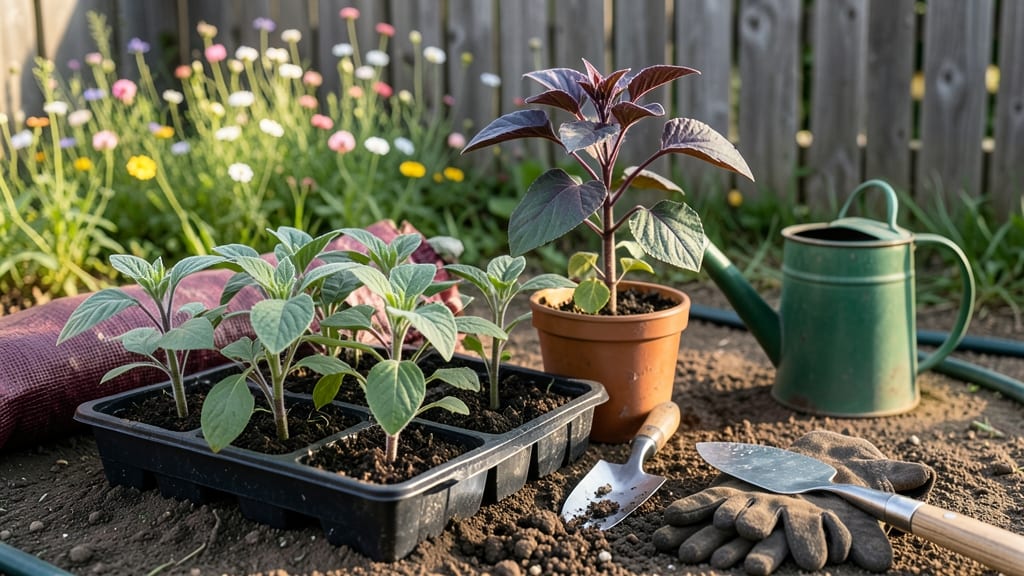
If you're dreaming of a bumper crop of 🍆 eggplant this summer, getting the timing right is the key to success in Georgia's Heat Zone 8a. Planting too soon means risking frost damage, while waiting too long could shorten your harvest window before fall's chill sets in.
Georgia's warm climate gives you a two-month window to plant eggplant—starting as early as mid-April and extending through June 15. But don't just grab seedlings and stick them in the ground; soil temperature needs to hit at least 70°F before these heat-loving plants will thrive.
I've learned the hard way that skipping these details can mean wasted effort, but with the right timing and prep, you'll be enjoying homegrown eggplant from July through October. Let me walk you through exactly when and how to plant for maximum success in your Georgia garden.
Whether you're transplanting seedlings or sowing directly, we'll cover soil prep, spacing, and even how to handle Georgia's humidity to keep your plants happy and productive. Ready to grow like a pro?
Optimal eggplant planting dates in Georgia's heat zone 8a
Georgia’s Heat Zone 8a offers a perfect window for growing eggplant, but timing is critical. The last average frost date in most of Georgia falls around March 15, but eggplants need warm soil (70°F+) and consistent heat to thrive.
Planting too early risks frost damage, while waiting too long may shorten your harvest before fall’s first frost.
For transplanted seedlings, aim to plant between April 15 and May 15. This gives your plants 6-8 weeks of warm weather to establish roots, flower, and produce fruit before Georgia’s first frost (November 15).
Direct sowing is less common for eggplants, but if you prefer it, start seeds indoors 8-10 weeks before your last frost date.
Soil temperature is your best guide. Use a soil thermometer to confirm 70°F+ before planting. In North Georgia (Zone 7b), wait until mid-April, while South Georgia (Zone 8b) gardeners can start as early as late March in sheltered microclimates.
Coastal areas like Savannah may even see earlier planting due to milder winters.
Here’s a quick reference for Georgia’s planting zones and ideal windows:
| Zone | Last Frost | Ideal Planting Window | Backup Window | Harvest Window |
|---|---|---|---|---|
| 7b (North GA) | March 15 | April 15–May 15 | May 1–June 1 | July–October |
| 8a (Central GA) | March 1 | April 1–May 10 | April 15–June 10 | June–October |
| 8b (South GA/Coastal) | February 15 | March 15–April 30 | March 1–May 15 | May–November |
Note: Adjust for microclimates (e.g., urban heat islands or sheltered gardens).
If you miss the primary window, don’t despair! Eggplants are heat-loving and can tolerate 90°F+ temperatures. A late planting (June 1–July 1) may still yield fruit, though harvests will be smaller. Choose fast-maturing varieties (like 'Black Beauty' or 'Ichiban') for better results in shorter seasons.
Pro tip: Use black plastic mulch to warm soil faster and extend your planting season by 1-2 weeks. This is especially useful in North Georgia, where cooler springs delay soil warming. Pair this with row covers for early transplants to protect against unexpected late frosts.
Always monitor local weather forecasts and adjust your timeline. Georgia’s unpredictable spring weather can bring late frosts even after the average last frost date. If frost is forecasted, cover plants with frost blankets or move potted eggplants to a sheltered spot until temperatures rise.
For container gardening, plant eggplants 2-3 weeks later than in-ground plants. Containers heat up faster but also dry out quicker, so water consistently and use self-watering pots if possible. Place containers in full sun (6+ hours) and avoid placing them on concrete or pavement, which can overheat roots.
Finally, remember that eggplants are short-day plants, meaning they flower and fruit better with 12+ hours of daylight. In Georgia, daylight exceeds this by mid-April, so timing aligns perfectly with your planting window. This ensures robust growth and high yields throughout the summer.
How to prepare eggplant for Georgia's humid climate
Georgia’s humid summers and heavy rainfall create the perfect storm for eggplant pests and diseases—but with the right prep, you can grow thriving plants. Start by choosing a well-draining location with 6-8 hours of sunlight, since soggy soil invites fungal issues like early blight.
Amend your soil with compost or aged manure to improve aeration and fertility. Eggplants love rich, slightly acidic soil (pH 6.0-6.8), so test your garden beds before planting. In Georgia’s clay-heavy soils, mixing in sand or perlite helps prevent waterlogging.
⚠️ Watch for Georgia-Specific Risks
Fungal diseases like powdery mildew thrive in Georgia’s humidity. Space plants 18-24 inches apart for airflow, and avoid overhead watering. Mulch heavily with straw or pine needles to keep soil moist but prevent splashing spores onto leaves.
For extra protection, opt for disease-resistant varieties like 'Black Beauty' or 'Ichiban', both proven in Georgia trials. If you notice yellowing leaves or black spots, prune affected foliage immediately and treat with neem oil or copper fungicide.
Georgia’s high heat can stress eggplants, so provide afternoon shade with row covers or lightweight fabric during peak summer months. Drip irrigation is ideal—it delivers water directly to roots while keeping leaves dry, reducing disease risk.
Finally, monitor for squash bugs and aphids, common pests in Georgia gardens. Handpick eggs or use row covers early in the season. A weekly neem oil spray keeps populations in check without harming beneficial insects.
With these prep steps, your eggplants will thrive in Georgia’s climate, producing abundant, disease-free fruit from summer through fall. 🌱💧