
Plants
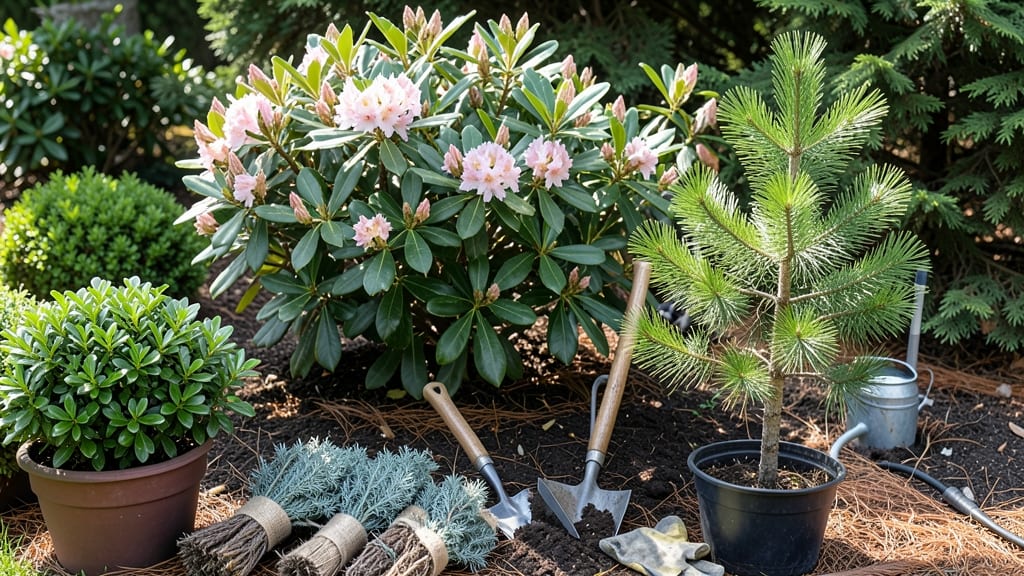
Knowing when to plant evergreens in Zone 6 could mean the difference between a lush, year-round green landscape and shrubs that struggle to take root. These hardy 🌲 plants need just the right timing to establish strong roots before winter sets in—or risk drying out before spring arrives.
In Zone 6, where frost can sneak in as early as October 15 or linger until April 15, planting too late in fall or too early in spring can backfire. The secret?
Aim for that sweet spot between September and early November or wait until March or April when the soil warms up. This gives your evergreens the best chance to settle in before extreme temperatures hit.
Whether you're adding a towering pine or a delicate rhododendron, the right planting window ensures they thrive—not just survive. I’ll break down the science behind these timelines, highlight the best evergreen varieties for Zone 6, and share pro tips to avoid common mistakes that derail even the most well-intentioned gardeners.
Ready to transform your yard into a vibrant, evergreen oasis? Let’s dive into the best months to plant and the steps to guarantee success—no guesswork required.
Optimal planting months for evergreens in Zone 6: science-backed timing
In Zone 6, where average winter lows dip to 0°F (-18°C), timing your evergreens' planting window can make or break their survival.
The ideal months are September through November and March through April, when soil temperatures hover between 40°F and 60°F (4°C–15°C), perfect for root establishment before dormancy or spring growth.
Fall planting gives roots 6-8 weeks to anchor before winter, while spring planting lets them wake up with the soil. Urban areas may experience microclimates with warmer micro-zones—adjust timing 1-2 weeks later if your yard stays warmer than average.
Evergreens planted in late fall risk winter desiccation, while spring planting too early (before soil thaws) can stunt root growth. Zone 6's last frost typically arrives around April 15, so aim to plant 4-6 weeks before for ideal conditions.
Here’s the science-backed breakdown of why fall often outperforms spring for Zone 6 evergreens:
| Season | Soil Temp | Root Growth | Frost Risk | Best For |
|---|---|---|---|---|
| Fall (Sept-Nov) | 40°F–60°F (4°C–15°C) | Moderate to rapid | Low (6-8 weeks before frost) | Needled evergreens (pines, spruces) |
| Spring (March-April) | 45°F–65°F (7°C–18°C) | Rapid (post-thaw) | None (after last frost) | Broadleaf evergreens (rhododendrons, boxwoods) |
| Late Spring (May) | 60°F+ (15°C+) | Slow (heat stress risk) | None | Drought-tolerant varieties only |
For needled evergreens like blue spruce or white pine, fall planting is optimal—their roots establish before winter dormancy, reducing transplant shock. Broadleaf evergreens such as rhododendrons or boxwoods prefer early spring planting to avoid winter desiccation.
In Zone 6a (colder microclimates), shift fall planting to September to avoid early frosts. In Zone 6b (warmer microclimates), October-November works well. Always check your local frost dates—they can vary 1-2 weeks from the average.
Pro tip: Mulch heavily after planting (3–4 inches of organic mulch) to insulate roots in winter. This retains moisture and protects against temperature fluctuations, critical for Zone 6’s unpredictable winters.
Evergreens planted in late fall (December or January) rarely recover—roots can’t establish in frozen soil. If you miss fall, wait until early spring (March) when soil is workable but not waterlogged.
For container-grown evergreens, adjust timing by 2-3 weeks earlier—their roots need time to adapt to outdoor conditions before dormancy. Always water deeply after planting to reduce shock.
🌲
Evergreen varieties that thrive when planted in Zone 6: best choices by type
Not all evergreens are created equal when it comes to Zone 6 planting. Some varieties handle the late frosts and temperature swings better than others. Broadleaf evergreens like rhododendrons and boxwoods often need precise timing, while needle-bearing pines and spruces can be more flexible.
Let’s break down the best choices by type and their cold-hardiness ratings.
For Zone 6 gardeners, selecting the right evergreen variety can make or break your success. Some plants, like blue spruces, tolerate early fall planting better than others.
Meanwhile, broadleaf evergreens often require spring planting to avoid winter desiccation. Understanding these differences will help you choose plants that thrive in your climate.
🌲
Needle evergreens like white pines and colorado blue spruces are the most forgiving. They establish roots quickly in cool fall soil and handle Zone 6 winters with ease. These varieties are perfect for gardeners who prefer low-maintenance options with high drought tolerance once established.
Broadleaf evergreens, such as rhododendrons and inkberry hollies, require more caution. Their delicate foliage can suffer from winter desiccation if planted too late in fall. For these, early spring planting (March-April) is ideal, allowing roots to establish before summer heat sets in.
Semi-evergreens like oakleaf hydrangeas offer a middle ground. They shed leaves in winter but regrow quickly in spring. These are great for gardeners who want year-round interest without the strict timing requirements of broadleaf evergreens.
🌿