
Flowers
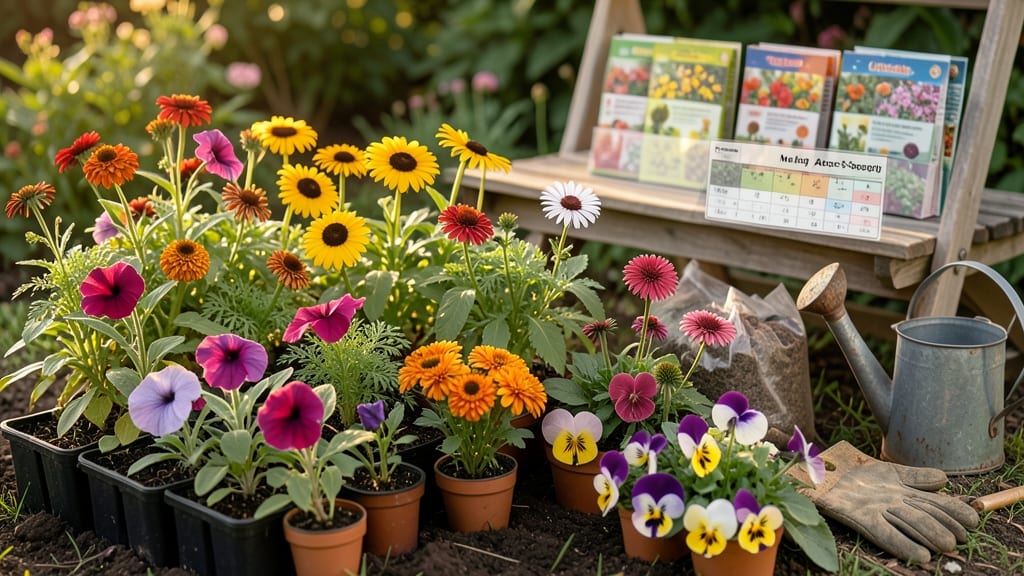
Timing your flowers planting in Zone 6b can make or break your garden’s success—get it wrong, and you’ll end up with wilted petals before they even bloom.
With last frost dates typically landing around April 15, knowing exactly when to plant your 🌸 varieties is the key to a showstopping display.
Spring is your prime window, but not all flowers play by the same rules. Cool-season blooms like pansies can handle early planting, while heat-lovers like marigolds need to wait until soil warms up. I’ll break down the exact deadlines so you never guess again.
Beyond the calendar, soil temperature and microclimates matter—especially in cities like Chicago or Cincinnati where frost can be unpredictable. You’ll learn how to adjust for early freezes or late springs, ensuring your garden thrives no matter what Mother Nature throws your way.
Ready to transform your yard into a floral paradise? Let’s dive into the precise planting schedule that’ll have your 🌸 thriving all season long—without the trial and error.
Zone 6b last frost dates: exact planting windows for annual flowers
Understanding Zone 6b last frost dates is the foundation of successful flower gardening in this region. The average last frost date falls between March 15 and April 15, but this can vary by 10–14 days depending on elevation and local microclimates.
For cities like Chicago, aim for April 1, while Raleigh typically sees frost-free soil by March 25. These dates dictate when to plant cool-season flowers (like pansies) versus warm-season blooms (such as zinnias).
For cool-season flowers, you can start seeds indoors 8–10 weeks before your last frost date. Direct sowing outdoors is safe 4–6 weeks before the last frost, often by mid-March.
Warm-season flowers, however, must wait until after the last frost and when soil temperatures reach at least 60°F. This usually aligns with mid-to-late April in most of Zone 6b.
Here’s how to use these dates for your garden:
🌱 March: Start cool-season flowers indoors (e.g., calendula, snapdragons) and sow hardy direct-sown annuals like pansies outdoors.
🌿 April: Transplant seedlings after the last frost and sow warm-season flowers (e.g., marigolds, sunflowers) once soil warms.
🌻 May: Fill gaps with heat-tolerant annuals like zinnias or cosmos for continuous blooms.
| Planting Window | Flowers to Plant | Key Considerations |
|---|---|---|
| Early Spring (Feb–March) | Pansies, Snapdragons, Calendula, Sweet Alyssum | Direct sow or start indoors; protect from late frosts. |
| Late Spring (April) | Marigolds, Sunflowers, Zinnias, Petunias | Wait until soil is 60°F+; transplant seedlings after last frost. |
| Summer (May–June) | Cosmos, Dahlia, Black-Eyed Susan, Lantana | Sow after May 15 for best heat tolerance. |
| Fall (Aug–Sept) | Aster, Chrysanthemum, Pansies, Sweet Peas | Plant 6–8 weeks before first frost (typically by Sept 1). |
Regional variations matter! In Chicago, where frosts linger longer, delay warm-season flowers until mid-April. Meanwhile, Raleigh gardeners can plant marigolds as early as March 25 in sheltered spots. Always check your local Almanac or use a frost calendar for precise dates.
Pro tip: Use row covers or cold frames to extend your planting window by 2–3 weeks in early spring or late fall. This lets you sow cool-season flowers earlier or warm-season varieties later in the season.
For perennials, timing shifts slightly. Plant daylilies or coneflowers in early spring (March–April) or early fall (September) to give roots time to establish before winter. Avoid planting perennials in late summer, as they struggle to root before frost.
Remember, soil temperature is just as critical as air temperature. Use a soil thermometer to confirm 60°F+ for warm-season flowers. If your soil is cooler, wait another week or two. Patience here prevents seed rot and poor germination.
Finally, keep a gardening journal to track your local frost dates over years. Zone 6b’s climate shifts—some years frost arrives by October 1, while others extend to November 15. Adjust your planting schedule yearly for the best results.
Best flowers to plant by month in Zone 6b: month-by-month guide
Timing your flower plantings by month in Zone 6b ensures vibrant blooms all season long. Start with cool-season flowers in early spring and transition to heat-loving varieties as temperatures rise. My garden thrives when I follow this month-by-month schedule, adjusting for my local microclimate near Raleigh, NC.
March is perfect for hardy annuals like pansies and snapdragons, while April welcomes tender perennials such as daylilies. By May, you can confidently plant warm-season favorites like zinnias and marigolds. Each month offers unique opportunities to extend your garden's beauty.
🌱
🌸 Zone 6b Planting Calendar
- March: Start pansies, violas, and sweet peas indoors or sow directly after soil warms to 45°F. Transplant calendulas and stock once frost risk passes.
- April: Plant dahlias, peonies, and bearded iris after last frost (April 15). Direct-sow marigolds and nasturtiums for early summer color.
- May: Transplant zinnias, cosmos, and sunflowers once soil reaches 60°F. Sow hollyhocks and black-eyed Susans for mid-to-late summer blooms.
- June: Add heat-tolerant annuals like portulaca and celosia. Deadhead spent blooms to encourage continuous flowering in existing plants.
- July: Begin fall-blooming bulbs like chrysanthemums and aster indoors. Succession plant basil and marigolds for late-season color.
- August: Sow cool-season flowers like snapdragons and sweet alyssum for early fall blooms. Transplant pansies for winter interest.
- September: Plant spring-blooming bulbs (tulips, daffodils) and winter pansies. Mulch to protect roots from early frost.
For early blooms, start seeds indoors in February for petunias, geraniums, and impatiens. Use grow lights to give them a 6-8 hour head start before transplanting after the last frost. My geraniums bloom 3 weeks earlier when I follow this method!
Don’t forget fall planting! Sow hardy annuals like calendulas and stock in September for winter color. These flowers tolerate light frost and add cheer to gray days. I’ve seen calendulas bloom even under 28°F!
Adjust your schedule if your local frost dates vary. Use a frost calendar for your city (e.g., Chicago’s last frost is May 1, while Cincinnati’s is April 20) to fine-tune your timing. Microclimates near buildings or hills can also shift frost dates by 1-2 weeks.
🌺