
Flowers
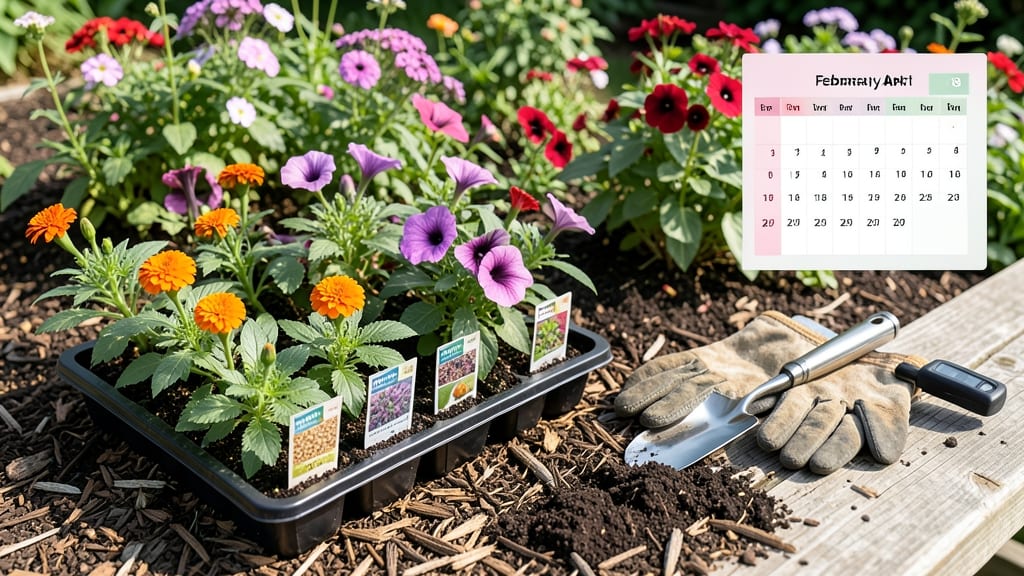
When to plant flowers in Zone 8 can make all the difference between a garden bursting with color and one that struggles to take root. With frost-free dates shifting by weeks depending on whether you're near the coast, inland, or in an urban heat island, getting the window wrong could leave your blooms fighting for survival from day one.
I’ve spent years watching gardens thrive—and fail—based on planting schedules, and the key is understanding your microclimate.
Whether you’re prepping for spring annuals or establishing perennials that’ll return year after year, the right timing ensures your soil is warm enough, your plants avoid heat stress, and your blooms last all season.
Let’s break down exactly when to plant for zero-frost blooms, from coastal chill to inland heat, so you can start strong and keep your garden vibrant.
You’ll learn how to adjust for local conditions, choose the best varieties for your area, and even extend your planting window with simple tricks.
Ready to transform your garden into a year-round showstopper? Here’s your step-by-step guide to planting flowers in Zone 8—no guesswork, just guaranteed results.
Zone 8 flower planting calendar by microclimate type
Zone 8 spans from Southern California to Georgia, but its microclimates can vary wildly—coastal areas like San Diego enjoy mild winters, while inland Phoenix faces scorching summers. These differences mean your planting window could shift by 4-6 weeks depending on location.
Let’s break it down by microclimate type so you can time your annuals and perennials perfectly.
First, check your last frost date—typically mid-December to late January in most of Zone 8—but coastal areas may never experience frost. For inland zones, use March 15 as your safe transplant date for heat-loving flowers like lantana or salvia.
Meanwhile, spring-blooming perennials (e.g., iris, tulips) should go in October-November to establish roots before winter rains.
Here’s how to align your planting with your local microclimate:
For annual flowers, aim to plant 6-8 weeks before your first frost (or February 1 for most of Zone 8). Perennials, however, benefit from fall planting—they’ll establish roots over winter and burst into bloom come spring.
Think black-eyed Susans or coneflowers, which thrive when planted in October-November.
Pro tip: Use a soil thermometer to confirm readiness. Most flowers need soil temps of 60°F+ (15°C+) to thrive. If your soil is still chilly in spring, opt for cool-season flowers like pansies or stock to bridge the gap until warmer weather arrives.
Don’t overlook succession planting—especially for summer-blooming annuals like zinnias or cosmos. Plant new batches every 4-6 weeks from spring through early summer to ensure continuous color. This works especially well in urban heat islands, where heat stress can shorten bloom cycles.
Finally, adjust for elevation. Higher elevations (e.g., Santa Fe, NM) may experience earlier frosts than coastal areas, so delay spring planting by 2-3 weeks. Always monitor local weather forecasts and use row covers if late frosts threaten your early transplants.
With these microclimate-specific guidelines, you’ll avoid the common pitfalls of planting too early (frost damage) or too late (heat stress). Soon, your garden will be a nonstop bloom show from spring through fall!
How to adjust planting dates for Zone 8’s unpredictable frost risks
Zone 8’s unpredictable frost dates can throw off even the most experienced gardener. While the average last frost date hovers around March 15 in most areas, microclimates—especially in valleys or near large bodies of water—can delay frost by 2-4 weeks.
I’ve learned the hard way that planting marigolds in mid-February in my inland microclimate only to lose them to a late frost is a costly mistake.
To beat Zone 8’s frost risks, I rely on three key strategies: extending early-season planting, protecting young plants, and adjusting for late-season heat stress. Each approach requires specific tools and timing tweaks tailored to your local conditions.
For example, coastal gardeners might plant petunias 3 weeks earlier than inland growers because ocean breezes moderate temperatures.
Here’s how I adjust planting dates based on frost risks and heat stress:
For urban heat islands, where pavement absorbs heat, I’ve found that planting heat-loving annuals like lantana in May instead of April prevents wilting. Meanwhile, in cooler microclimates (e.g., near lakes), I start snapdragons indoors in January to transplant outdoors by March 1.
Pro tip: Keep a gardening journal for 2-3 years to track your local frost dates and adjust planting windows accordingly. For example, my last frost date has varied from March 10 to April 5 over the past five years—knowing this helps me plan better.
Pair this with succession planting for continuous color throughout the season.
By combining these strategies, you’ll minimize frost damage and maximize bloom time, even when Zone 8’s weather plays tricks on you. 🌱