
Plants
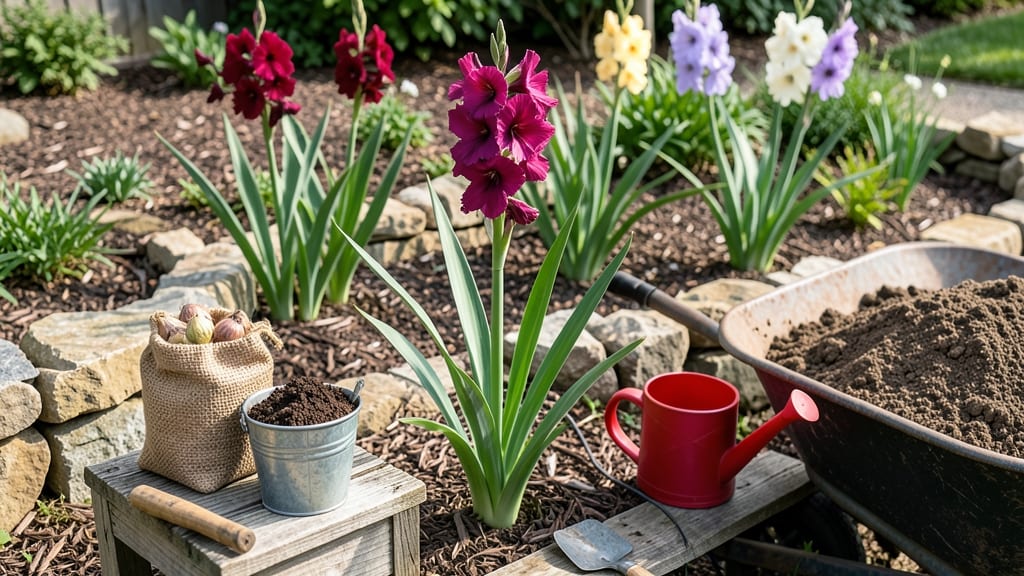
Timing your gladiolus bulb planting in Colorado could mean the difference between a garden bursting with 🌸 and a missed opportunity for summer color. With last frost dates shifting from mid-April in the plains to late May in the mountains, getting it right is everything.
Most Colorado gardeners in zones 5-7 should plant between mid-April and mid-June, but that window shrinks dramatically at higher elevations. The key isn't just avoiding frost—it's giving your corms enough warmth to establish roots before summer's heat arrives.
I'll walk you through the exact deadlines for your region, plus pro tips to adjust for Colorado's unpredictable weather. Whether you're in Denver, Colorado Springs, or the rural high country, these strategies will help you time your planting perfectly for zero-frost blooms.
Ready to transform your garden? Let's dive into the heat zone deadlines that'll have your gladiolus thriving all summer long.
Colorado heat zones & exact gladiolus planting deadlines by region
Colorado’s diverse USDA zones 4-7 create dramatic differences in gladiolus planting success. High-altitude areas like Colorado Springs (Zone 5) need earlier timing than Denver (Zone 6) or the San Luis Valley (Zone 7).
I’ve mapped out the exact heat zone deadlines to ensure your corms establish roots before summer heat arrives.
Gladiolus bulbs thrive when soil temperatures hit 60°F (15°C)—a threshold Colorado reaches mid-April in low elevations but not until late May in mountain valleys. Planting too early risks frost damage; too late delays blooms until late summer. Here’s your region-specific planting calendar to maximize summer color.
🌱
| Region | USDA Zone | Last Frost Date | Ideal Planting Window | Soil Temp Goal |
|---|---|---|---|---|
| Front Range (Denver) | Zone 6 | April 15 | April 20–May 15 | 60°F (15°C) |
| Colorado Springs | Zone 5 | May 1 | May 10–June 1 | 60°F (15°C) |
| San Luis Valley | Zone 7 | April 1 | April 10–May 10 | 60°F (15°C) |
| High Mountains (Aspen) | Zone 4 | May 15 | May 25–June 10 | 65°F (18°C) |
| Western Slope (Grand Junction) | Zone 6-7 | April 1 | March 30–April 30 | 55°F (13°C) |
For Denver gardeners, aim to plant 4-6 weeks before your last frost date—typically April 20–May 15. Use a soil thermometer to confirm temperatures exceed 60°F (15°C) before planting. In Colorado Springs, delay until May 10 to avoid late frosts that can blacken emerging shoots.
High-altitude areas like Aspen (Zone 4) require patience. Wait until May 25 when soil warms to 65°F (18°C). These later plantings may bloom 2-3 weeks later, but the flowers will be hardier and last longer in cooler mountain summers.
🌿
Pro Tip: Plant ‘Green Star’ or ‘White Friendship’ varieties in early windows—they tolerate cooler soils better than tropical hybrids like ‘Black Pearl’. These cold-tolerant cultivars give you a 2-week head start on color.
In Zone 7 areas (like the San Luis Valley), you can push planting to March 30 if you use black plastic mulch to warm the soil. This trick extends your blooming season by 3-4 weeks compared to standard timing.
🌸
Avoid these timing traps: Planting before soil warms (corms rot), waiting until June (missed blooms), or ignoring elevation differences (frost damage). Use local CoCoRaHS frost data or your county extension office for hyper-local adjustments.
How to adjust planting dates for Colorado’s unpredictable frost risks
Colorado’s late spring frosts can catch gladiolus corms off guard, even after you’ve planted them. The key to success? Adjusting your timeline based on soil temperature—not just air temperature.
Most gardeners in USDA zones 5-7 should aim for soil temps above 60°F before planting, which often means waiting until mid-May in high-altitude areas like the Rocky Mountains.
If you’re in Denver or the Front Range, where frosts linger longer, consider using black plastic mulch to warm the soil faster. This can shave off 2-3 weeks from your planting timeline.
For rural areas with colder microclimates, like Grand Junction or the San Luis Valley, delay planting until after Memorial Day to avoid frost damage.
Here’s a critical rule: Never plant gladiolus corms before your last frost date, even if the soil feels warm. A sudden 20°F drop can kill emerging shoots overnight. Use a soil thermometer to confirm temperatures—this small tool saves hours of guesswork.
FROST TRAPS TO AVOID
- Planting too early in cold soil (below 55°F) stunts root growth.
- Skipping mulch in high-altitude gardens leaves corms vulnerable to radiation frost.
- Ignoring microclimates—e.g., planting near a north-facing slope where frost lingers.
For extended-season gardeners, try a two-phase approach: Plant hardy varieties like ‘Green Star’ in early May, then follow up with heat-loving cultivars in late May or June.
This stretches your bloom time from July through September while minimizing frost risk. Just remember: June plantings won’t bloom until late summer, so plan accordingly.
Protective measures like row covers or cloche tunnels can buy you an extra 2-4 weeks of planting flexibility. These work best in USDA zone 6 areas where frosts are unpredictable.
Pair them with straw mulch (not plastic) to regulate soil temperature naturally. Avoid synthetic mulches—they can overheat soil in Colorado’s intense afternoon sun.
Finally, watch the National Weather Service’s frost alerts for your county. In 2023, Denver saw a late frost on May 10, catching many gardeners off guard. Bookmark your local CoCoRaHS weather station for real-time soil data—it’s the best way to outsmart Colorado’s unpredictable frost patterns.