
Plants
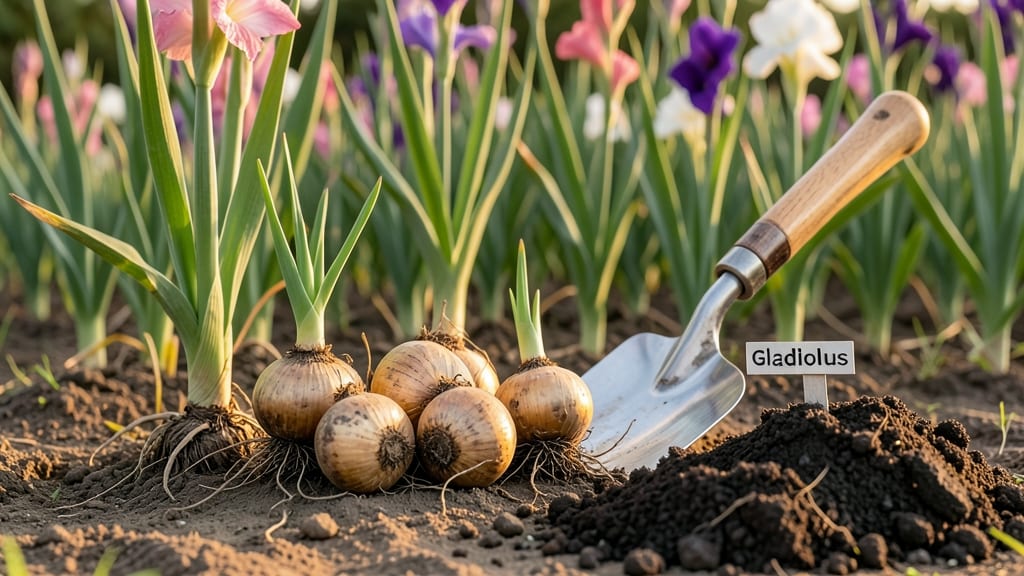
Timing your gladiolus bulb planting in the UK can make or break your summer blooms—get it right, and you’ll enjoy vibrant 🌸 gladiolus from July to September. The secret lies in waiting until after the last frost, typically mid-April, when soil temperatures rise enough to encourage strong root growth.
Planting too early risks frost damage, while waiting too long may shorten your flowering season. In USDA Zone 8a, where frost lingers until mid-October, the ideal window is April to June—just 4-6 weeks before your target bloom time.
This gives bulbs enough time to establish roots before summer heat arrives.
Whether you’re starting bulbs indoors for an earlier edge or planting directly outside, soil preparation is the key. Well-draining soil and proper spacing (4-6 inches apart) prevent rot and crowding, ensuring each bulb has room to grow into those towering 4-5 ft stems.
I’ll walk you through exact month-by-month deadlines, soil tips, and how to adjust for your microclimate—so you can enjoy bold, healthy blooms without the guesswork. Let’s get those gladiolus thriving!
UK gladiolus planting deadlines by month: avoid frost and maximize blooms
Gladiolus bulbs thrive in the UK's mild summers, but timing is critical to avoid late frosts that can damage emerging shoots. The ideal planting window runs from mid-April to early July, with May being the sweet spot for most regions.
This schedule ensures your vibrant blooms appear from July to September, just in time for summer displays.
In the UK, frost dates vary dramatically by region. Southern England typically sees its last frost by mid-April, while northern areas like Scotland may experience late frosts until early May.
Always check your local frost-free date before planting—delaying until after May 15th minimizes frost risks even in cooler climates.
Soil temperature plays a crucial role. Gladiolus bulbs need soil that's warmed to at least 55°F (13°C) before planting. Use a soil thermometer to check—this usually aligns with late April to early May in most UK gardens. Planting too early in cold soil can stunt root growth and delay flowering.
For extended bloom seasons, stagger your planting. Start with early varieties in April for July flowers, then plant mid-season bulbs in May for August blooms, and finish with late varieties in June for September displays. This technique ensures continuous color throughout summer.
Northern UK gardeners should err on the side of caution. If you're in Scotland or Northern Ireland, wait until late May to plant, as frost risks linger longer. In contrast, southern England gardeners can safely plant as early as mid-April in sheltered microclimates.
Here’s a quick reference for your region:
| Region | Best Planting Window | Frost Risk | Soil Temp Requirement |
|---|---|---|---|
| Southern England | Mid-April to early June | Low after mid-April | 55°F (13°C)+ |
| Midlands | Late April to late May | Moderate until May | 55°F (13°C)+ |
| Northern England/Scotland | Late May to early June | High until late May | 55°F (13°C)+ |
| Wales/Northern Ireland | Late April to early June | Moderate until early May | 55°F (13°C)+ |
If you miss the ideal window, don’t panic. You can still plant gladiolus bulbs in July for late summer blooms, though expect shorter stems and fewer flowers.
For a guaranteed display, prioritize planting between April and June—this gives bulbs enough time to establish roots before summer heat arrives.
Pro tip: Use black plastic mulch to warm soil faster in cooler months. Lay it down 2-3 weeks before planting to create a microclimate that speeds up soil warming. This trick is especially useful for northern UK gardeners extending their planting season.
Always plant bulbs 4 inches deep and 4-6 inches apart in well-draining soil. In heavy clay soils common across the UK, mix in sand or grit to improve drainage. This prevents rot and ensures strong, healthy growth from the start.
Mark your calendar for early July as the last chance to plant for autumn blooms. After this, focus on dividing and storing bulbs for next year’s garden. With the right timing, your gladiolus will reward you with show-stopping spikes of color that brighten up every UK garden.
How to prepare gladiolus bulbs for UK planting: step-by-step guide
Preparing your gladiolus bulbs before planting in the UK is key to avoiding rot and frost damage. Start by selecting firm, plump bulbs with no soft spots—these are your best bet for healthy growth.
I always check for smooth, papery skins and avoid any that feel mushy or shriveled, as these won’t thrive.
Next, practice chitting, a process where you encourage early root growth indoors. Place your bulbs in a tray with their bases down on a mix of sphagnum moss or vermiculite, keeping them in a cool, bright spot (around 50°F/10°C).
This mimics spring conditions and gives your bulbs a head start before outdoor planting.
🌱 Step-by-Step Gladiolus Bulb Prep
- Select bulbs: Choose firm, disease-free bulbs (size 1.5–2 inches wide).
- Chit indoors: Place bulbs base-down on moist moss for 4–6 weeks before planting.
- Soil prep: Amend garden soil with compost or sand for drainage (gladiolus hates soggy roots!).
- Fertilize lightly: Mix in slow-release fertilizer (e.g., 10-10-10) at planting.
- Space properly: Dig holes 4 inches deep, 4–6 inches apart in rows 12 inches apart.
While your bulbs are chitting, prepare your planting site by loosening the soil to a depth of 12 inches. Gladiolus bulbs need well-draining soil, so add compost or grit if your garden soil is heavy clay.
I also recommend testing your soil’s pH level—aim for 6.0–7.0, as gladiolus bulbs thrive in slightly acidic to neutral conditions.
When it’s time to plant, dig holes 4 inches deep and space them 4–6 inches apart in rows that are 12 inches apart. This spacing ensures each bulb gets enough air circulation and nutrients to grow strong stems.
If you’re planting in containers, use a well-draining mix with added perlite to prevent waterlogging.
After planting, water deeply but gently to settle the soil around the bulbs without displacing them. Avoid overwatering, as excess moisture can cause rot.
Once your gladiolus are in the ground, place a mulch layer (like straw or bark chips) around the base to retain moisture and suppress weeds—just keep it 2 inches away from the bulbs to prevent rot.
Finally, mark your planting spots with biodegradable tags to remember where they are. Gladiolus take 90–120 days to flower, so patience is key! With the right prep, you’ll be rewarded with tall, dramatic blooms that’ll steal the show in your summer garden. 🌸