
Plants
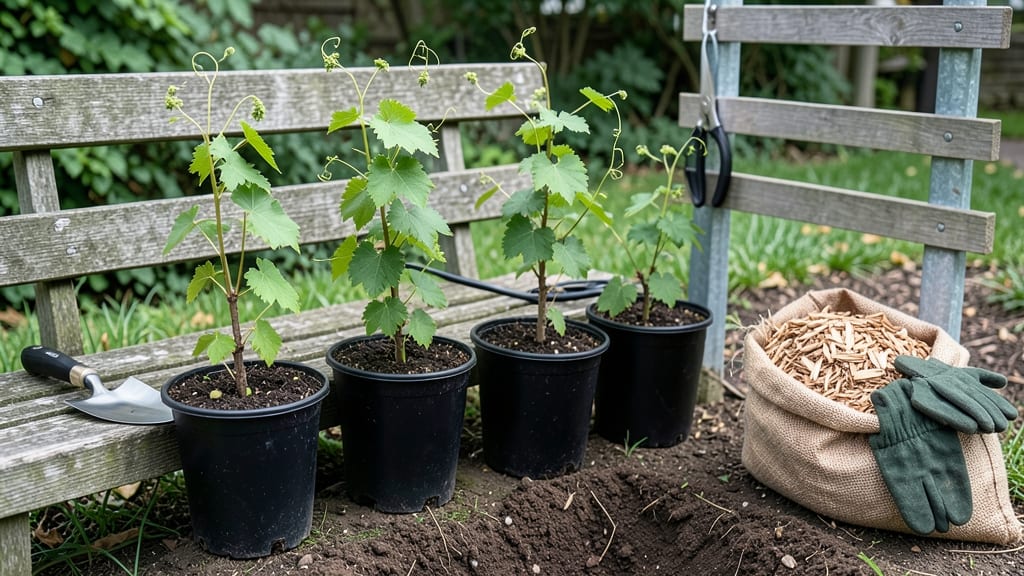
Virginia grapes planting timeline by hardiness zone (chill-hours & frost dates)
Timing your grape planting in Virginia depends on two critical factors: chill-hour requirements and frost-free windows. Virginia spans USDA Zones 6a-8a, meaning chill-hour needs range from 300 to 1,000+ hours—and planting too early or late can spell disaster for tender vines.
Northern Virginia (Zones 6a-7a) demands cold-hardy varieties, while southern Virginia (Zones 7b-8a) can handle warmer-loving grapes with fewer chill hours.
For all regions, the ideal planting window is late winter to early spring, specifically February through April, when soil temperatures rise above 50°F (10°C). This timing ensures vines establish roots before summer heat arrives.
However, bare-root vines (dormant) can be planted as early as late winter (February), while container-grown vines (active) should wait until late March or April to avoid transplant shock.
Chill hours are the accumulated hours below 45°F (7°C) a grapevine needs to break dormancy. Virginia’s climate delivers 400-1,000 chill hours annually, so choose varieties that match your zone. For example, Norton grapes (a Virginia native) thrive with 400-600 chill hours, while Cabernet Franc needs 600-800 chill hours. Planting at the wrong time disrupts this balance, leading to poor fruit set or winter dieback.
Here’s how Virginia’s frost dates impact planting: - Last frost date: March 15 (northern VA) to April 1 (southern VA). - First frost date: November 15 (northern VA) to December 1 (southern VA).
Avoid planting before the last frost—tender vines can’t survive freezing soil. Conversely, planting after April risks summer drought stress before roots establish.
In northern Virginia (Zones 6a-7a), prioritize bare-root vines in February to capitalize on cold soil and avoid early bud break.
For central Virginia (Zone 7a), aim for mid-March when soil warms to 55°F (13°C). Southern Virginia (Zones 7b-8a) gardeners can extend planting to May for container-grown vines, but ensure full sun exposure and consistent watering to offset summer heat.
Pro tip: Use soil thermometers to confirm 50°F (10°C) soil temps before planting. Cold soil slows root growth, leaving vines vulnerable to winter kill or summer drought.
Amend clay-heavy soils with compost or sand to improve drainage—grapes hate soggy roots. Mulch with straw or wood chips after planting to retain moisture and regulate soil temperature.
If you miss the spring window, fall planting (October-November) is a backup for bare-root vines in Zones 6a-7a. However, vines must establish roots 4-6 weeks before frost to survive winter. Southern Virginia’s milder climate allows container-grown vines to be planted as late as May, but expect slower initial growth.
Remember: Virginia’s microclimates vary wildly—even within 20 miles, frost dates can shift by 2 weeks. Check your local Cooperative Extension Service for hyper-local advice. For example, Roanoke (Zone 7a) may frost on March 20, while Richmond (Zone 7b) sees its last frost on March 28.
Plant accordingly to avoid frost damage to emerging shoots.
🌱
Virginia grapes planting timeline by hardiness zone (chill-hours & frost dates)
Virginia spans USDA Zones 5b-8a, meaning your planting window and chill-hour needs vary dramatically from the mountains to the coast. Northern Virginia (Zones 6a-7a) needs 400-600 chill hours, while southern Virginia (Zones 7b-8a) thrives with 600-1,000+ chill hours.
Planting too early risks frost damage to tender shoots, while waiting too long delays root establishment.
For bare-root vines, aim to plant in late winter (February-March) before buds swell. Container-grown vines can go in slightly later (March-April) since their roots won’t freeze. Always check your last frost date—northern VA averages March 15, while southern VA sees March 1-15.
| Zone | Chill Hours | Planting Window | Last Frost | Key Varieties |
|---|---|---|---|---|
| 5b-6a (Mountains) | 300-400 | Feb 15 - Mar 15 | April 1 | Norton, Concord |
| 6b-7a (Central VA) | 400-600 | Mar 1 - Apr 15 | March 15 | Cabernet Franc, Chardonnay |
| 7b-8a (Tidewater) | 600-1,000+ | Mar 15 - Apr 30 | March 1 | Merlot, Viognier |
Soil temperature is another critical factor—roots won’t establish well in cold, wet soil. Wait until the ground reaches 50°F (10°C) at least 6 inches deep. In northern VA, this often means waiting until mid-to-late March, while southern VA can plant as early as February 20 in ideal years.
For fall planting, some gardeners opt for late September to early October, but this is riskier due to Virginia’s unpredictable early frosts. If you choose fall, select cold-hardy varieties like Norton and ensure vines have 4-6 weeks to establish roots before winter.
Always mulch heavily (4-6 inches) to insulate roots.
Pro tip: Use a soil thermometer to monitor temperatures—this prevents guessing games with frost dates. Pair it with your local Cooperative Extension Service for hyper-local advice tailored to your county’s microclimate. 🌱
Once planted, protect young vines with frost cloth during unexpected late frosts (common in April). Northern VA gardeners should budget for row covers until mid-May, while southern growers can remove them by early April. 🌡️