
Plants
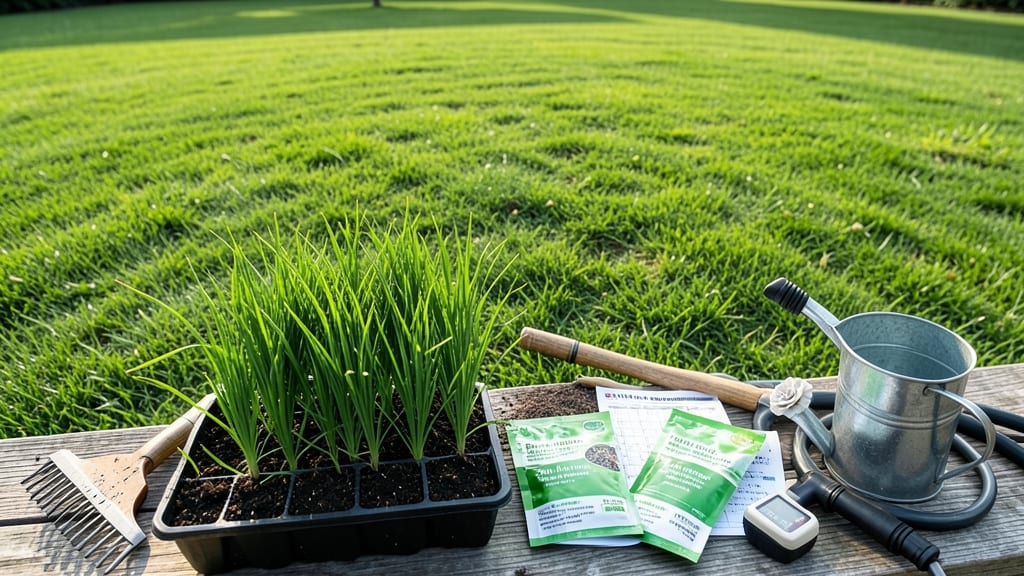
Planting grass at the wrong time in Alabama can mean struggling with heat stress, poor germination, or even total failure—so timing is everything for a lush, fast-growing lawn. The 7a-8b climate here means you’ve got two perfect windows: late summer to early fall or early spring.
But getting it wrong could leave your 🌱 struggling under Alabama’s intense sun or chilly mornings.
I’ve seen firsthand how a well-timed planting transforms a patchy yard into a vibrant green carpet in just a few months. The key is understanding when soil temperatures are ideal—between 60°F and 75°F—and avoiding the brutal summer heat or late-season frosts.
Whether you’re seeding a new lawn or overseeding an existing one, these insights will help you skip the guesswork.
In this guide, I’ll break down the best months for planting in North, Central, and South Alabama, plus the grass varieties that thrive here. You’ll also learn how to prep your soil and adjust your watering schedule for fast establishment, even in Alabama’s unpredictable weather.
Let’s get your lawn off to the right start!
Ready to skip the trial-and-error? I’ll walk you through the exact steps—from seed selection to post-planting care—that’ll have your grass looking its best in just a few weeks. No more waiting years for a full lawn!
Best months to plant grass in Alabama (frost-free timeline by region)
Alabama’s climate varies dramatically from north to south, making the best planting time for grass depend on your specific region. In North Alabama (USDA Zone 7a), cooler temperatures allow for an earlier spring planting window, while South Alabama (Zone 8b) faces intense summer heat that can stress young grass.
The key is planting when soil temperatures stay between 60°F and 75°F—too hot or cold, and germination suffers.
For most of Alabama, the ideal planting windows are late summer to early fall (August–October) and early spring (March–April). Fall planting is often preferred because cooler air temperatures and warmer soil create perfect conditions for seedling establishment.
Spring planting works well in North Alabama, where frost risks are higher, but timing must be precise to avoid late-season heat stress.
Here’s how Alabama’s three regions differ in their optimal planting schedules, along with critical frost dates and heat risks:
| Region | Last Frost Date | First Frost Date | Best Planting Window | Heat Risk |
|---|---|---|---|---|
| North Alabama (Zone 7a) | Mid-March | Mid-November | March–April (spring) or September–October (fall) | Moderate (May–June) |
| Central Alabama (Zone 7b) | Late February–Early March | Late October–Early November | April (spring) or August–September (fall) | High (June–August) |
| South Alabama (Zone 8b) | Early February | Early December | April–May (spring) or September (fall) | Very High (May–September) |
In North Alabama, spring planting is safer because the risk of late frosts is higher, but you must finish by mid-April to avoid summer heat. Central Alabama gardeners should prioritize fall planting (August–September) to escape the brutal summer heat, while South Alabama’s long, hot summers make September the only reliable fall window.
Spring planting in the south is risky after May due to extreme heat.
If you miss the ideal windows, don’t despair—sod installation can be done year-round in Alabama, though establishment will be slower in extreme heat or cold. For seed, however, patience is key: waiting for the right conditions ensures a thicker, healthier lawn with fewer weeds.
Always check the Alabama Extension Service for localized updates before planting.
Another critical factor is soil temperature. Use a soil thermometer to confirm readings between 60°F and 75°F—cooler soils delay germination, while hotter soils can bake seeds. In South Alabama, afternoon shade during peak summer months can help maintain safer soil temps for late-season plantings.
Pro tip: Test your soil’s pH (ideal range: 6.0–7.0) at least 2 weeks before planting. Alabama’s clay-heavy soils often need lime or sulfur adjustments, and amending too close to planting can disrupt seed-to-soil contact.
Pair this with a light mulch (straw or peat moss) to retain moisture without smothering seedlings.
Finally, avoid the biggest mistake: planting warm-season grasses (like Bermuda or Zoysia) in spring or cool-season grasses (like Fescue or Ryegrass) in summer. Match your grass type to the season—cool-season grasses thrive in fall/spring, while warm-season grasses need summer/early fall to establish.
More on this in our next section!
🌱
How to choose grass seed types for Alabama’s climate and soil conditions
Choosing the right grass seed type for Alabama’s climate is the secret to a lawn that stays green year-round with minimal effort. Alabama’s USDA Zones 7a-8b and humid subtropical climate mean you’ll need varieties that handle heat, humidity, and occasional drought.
The wrong choice can lead to patchy lawns, brown spots, or even total failure—so let’s match your grass to your region and lifestyle.
Alabama’s grass varieties generally fall into two categories: cool-season grasses (best for spring/fall) and warm-season grasses (ideal for summer).
Cool-season types like tall fescue and ryegrass thrive in cooler months but go dormant in summer heat, while warm-season varieties like Bermuda and Zoysia dominate the growing season but struggle in winter. For year-round coverage, many homeowners mix both types.
| Variety | Best For | Growing Season | Heat/Drought Tolerance | Shade Tolerance |
|---|---|---|---|---|
| Tall Fescue | North/Central AL, cool seasons | Spring/Fall | Moderate | Good |
| Bermuda | South/Central AL, high traffic | Summer/Fall | Excellent | Poor |
| Zoysia | Central/South AL, low maintenance | Summer/Fall | Very Good | Moderate |
| St. Augustine | South AL, shade tolerance | Year-round (dormant in winter) | Moderate | Excellent |
| Centipede | South AL, low fertility needs | Summer/Fall | Good | Good |
Bermuda grass is the top choice for South Alabama due to its heat and drought resistance, making it perfect for yards with minimal irrigation. It’s aggressive, spreads quickly, and stays green through Alabama’s brutal summers—though it goes dormant in winter. For North Alabama, tall fescue is the gold standard because it handles cooler temps and stays green longer into fall.
If you have shady areas, St. Augustine is your best bet—it tolerates partial shade better than most grasses and thrives in South Alabama’s humid climate. However, it requires more frequent watering and can attract pests like chinch bugs.
For a low-maintenance option, Zoysia is gaining popularity because it stays green longer than Bermuda in cooler months and handles foot traffic well.
One of my biggest mistakes early on was planting ryegrass in South Alabama—it greens up beautifully in winter but burns out by June. Instead, I now recommend overseeding Bermuda with ryegrass in fall for temporary winter color.
This combo gives you the best of both worlds: summer durability and winter greenness.
For drought-prone areas, consider Centipede grass, which thrives in acidic, sandy soils common in South Alabama. It requires less fertilizer and water but struggles in heavy clay soils.
Always check your soil type before choosing—Alabama’s clay-heavy soils may need amendments like gypsum to improve drainage for warm-season grasses.
Pro tip: If you’re unsure which grass to pick, start with a mixed blend like tall fescue + Bermuda for Central Alabama. These combinations provide year-round coverage and reduce the risk of bare patches.
Just remember: warm-season grasses need summer planting, while cool-season types establish best in fall or spring.
🌿