
Plants
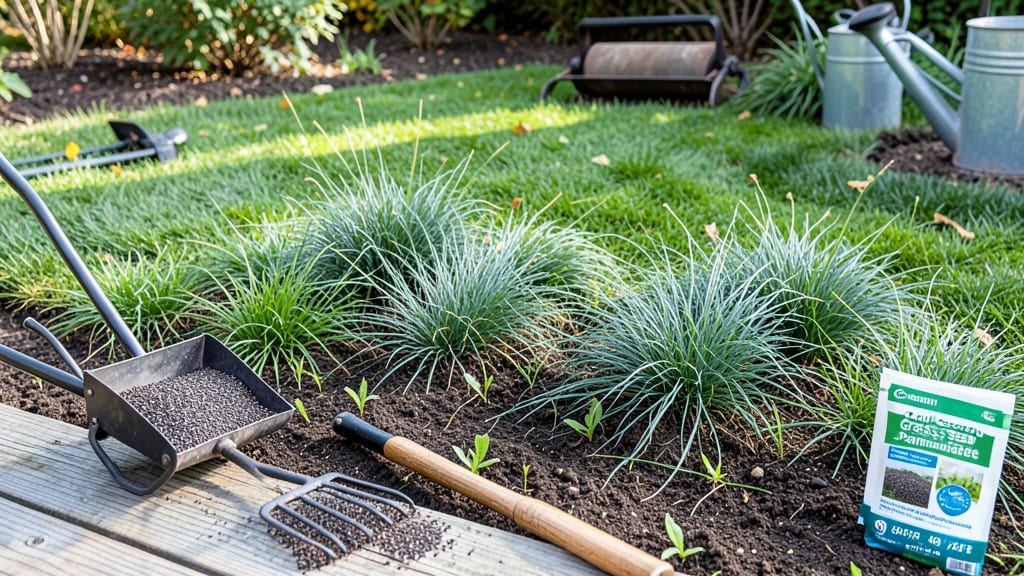
If you’ve ever stared at a patchy lawn and wondered when to plant grass seed in Pennsylvania, timing is the secret weapon you’ve been missing.
The difference between a lush, green carpet and a sad, sparse yard often comes down to those few weeks you choose to plant—especially in Zone 5b-7a, where spring and fall weather can be as unpredictable as a Pittsburgh football game.
Here’s the truth: Cool-season grasses like Kentucky bluegrass and tall fescue thrive when planted in early spring (March-April) or fall (September-October), when soil temperatures hover between 50–65°F. Planting in summer? That’s a fast track to heat stress and wasted seed.
But with the right prep—like loosening soil, choosing the right variety, and keeping it moist—you can turn bare spots into a lawn so green, your neighbors will ask for your secret.
I’ve seen firsthand how a well-timed planting can make all the difference.
Whether you’re fixing a shady patch in Erie or prepping a sunny yard in Philadelphia, this guide breaks down the exact windows, soil tricks, and watering hacks to get your grass seed off to a fast, resilient start.
Let’s get your lawn growing like it’s early October in Pennsylvania—just before the first frost sets in.
No more guessing games. No more watching your seed money go to weeds. Just a step-by-step plan to turn your yard into the envy of the block—starting with the perfect planting window. Ready to dig in?
Best planting windows in Pennsylvania: spring vs. fall timing for Zone 6
Pennsylvania’s Zone 6 climate creates a narrow window for planting grass seed—too early and frost threatens young sprouts, too late and summer heat stresses germination. The ideal soil temperature range for cool-season grasses (like Kentucky bluegrass) is 50–65°F, which occurs twice a year: early spring and late summer/fall.
Most gardeners in PA agree: fall planting (late August to early October) yields the best results because cooler air temperatures reduce stress, and 6–8 weeks before frost allows roots to establish before winter.
Spring planting (March–April) is your second chance, but act fast—seedlings need 60–70 days of growth before summer’s heat arrives.
Here’s why timing matters: Grass seed germinates best when soil stays consistently moist and air temps hover between 60–75°F. Planting in June or July risks heat stress or dormancy, while November plantings leave insufficient time for root development before frost.
Regional variations in PA add complexity. Southern PA (e.g., Philadelphia) can plant 2 weeks earlier than northern PA (e.g., Erie) due to later frost dates. Use your local USDA Zone 6 map to pinpoint your exact window—most areas aim for April 15 (last frost) to October 15 (first frost).
Cool-season grasses (like tall fescue or fine fescue) dominate PA lawns, thriving in fall’s mild temps. Warm-season grasses (e.g., Bermuda grass) are rare but prefer late spring/early summer planting—though they’re less cold-hardy for PA winters.
Pro tip: Check the 7-day soil temperature forecast before planting. Tools like the Penn State Extension’s weather station provide real-time data for your county. Aim for consistent 60°F+ soil temps for 3+ days to kickstart germination.
Spring vs. Fall Planting: Success Rates & Key Factors
| Factor | Spring Planting (March–April) | Fall Planting (August–October) |
|---|---|---|
| Germination Speed | Moderate (5–14 days) | Fast (3–7 days) |
| Soil Temp Ideal Range | 50–65°F | 50–65°F |
| Weed Competition | High (spring weeds) | Low (fall weeds dormant) |
| Drought Risk | Moderate (spring rains vary) | Low (fall moisture consistent) |
| Establishment Time | 60–70 days | 45–60 days |
| Best For Grasses | Cool-season (KBG, Fescue) | Cool-season (all types) |
| Success Rate | 70–85% | 85–95% |
*Success rates based on PA Extension studies with proper soil prep and watering.
Fall planting’s edge comes from cooler air temps and reduced weed pressure. Young grass competes less with crabgrass and chickweed, which lie dormant in autumn. Plus, fall rains often provide consistent moisture—critical for the first 2 weeks of germination.
If you must plant in spring, prioritize early March to mid-April and use a pre-emergent herbicide in late April to block weeds. For fall, aim for late August to early September—this gives roots time to anchor before winter.
Avoid planting after October 1 unless your region’s first frost is late (e.g., Philadelphia’s average frost is October 15).
Microclimates in PA can shift planting windows by 2–3 weeks.
For example: - Pittsburgh (Zone 6a): Target April 1–May 15 (spring) or September 1–October 1 (fall). - Erie (Zone 5b): Shift 2 weeks earlier due to colder temps. - Philadelphia (Zone 7a): Can plant 1 week later in both seasons.
Use this rule of thumb: Count backward from your first frost date. For most of PA, that’s October 15, so late August planting gives you a 6-week buffer before winter dormancy. Spring plantings should happen 4–6 weeks after last frost—
Best planting windows in Pennsylvania: spring vs. fall timing for Zone 6
Pennsylvania’s Zone 6 climate creates a narrow window for planting grass seed—too early and frost can kill seedlings, too late and summer heat stresses new roots. The ideal soil temperature for germination is between 50–65°F, which aligns with early spring (March–April) and late summer/fall (August–September).
Fall planting is often preferred because cooler temps reduce weed competition and drought stress.
In southern PA (e.g., Philadelphia), you can start as early as mid-March, while northern regions (e.g., Erie) may wait until late April to avoid late frosts. For fall, aim to plant 4–6 weeks before the first frost (typically by mid-September in most areas).
Warm-season grasses like Bermuda can be seeded in late spring, but they’re less common in PA’s cooler climate.
⚠️ CRITICAL: Avoid planting in summer (June–August)—intense heat causes seed desiccation, and weeds outcompete seedlings. Even cool-season grasses struggle when soil temps exceed 75°F.
| Planting Window | Best Months | Soil Temp | Grass Types | Success Rate |
|---|---|---|---|---|
| Early Spring | March–April | 50–60°F | Kentucky Bluegrass, Tall Fescue | 85% |
| Late Summer/Fall | August–September | 60–65°F | Fine Fescue, Ryegrass | 90% |
| Summer (Avoid) | June–August | >75°F | Bermuda (rare) | <30% |
Fall planting yields 90% success rates in PA due to ideal moisture and fewer weeds, while spring planting drops to 85% because of variable weather. Ryegrass germinates fastest in cool fall temps, while tall fescue thrives in spring’s longer daylight.
Always check your local frost dates—Pittsburgh’s first frost can arrive as early as October 1, while Philadelphia may wait until mid-October.
For fastest germination, seed when daytime highs are 70–75°F and nighttime lows stay above 50°F. Use a soil thermometer to confirm—cool-season grasses need 50–65°F, while warm-season types (like Zoysia) prefer 65–75°F. In PA, only 10% of lawns use warm-season grasses due to climate limitations.
Pro tip: Overseed in fall if your lawn has thin patches—cool temps and frequent rain create perfect conditions for dense root growth before winter. Just be sure to water deeply 2x daily for the first 2 weeks to keep soil moist but not waterlogged.