
Plants
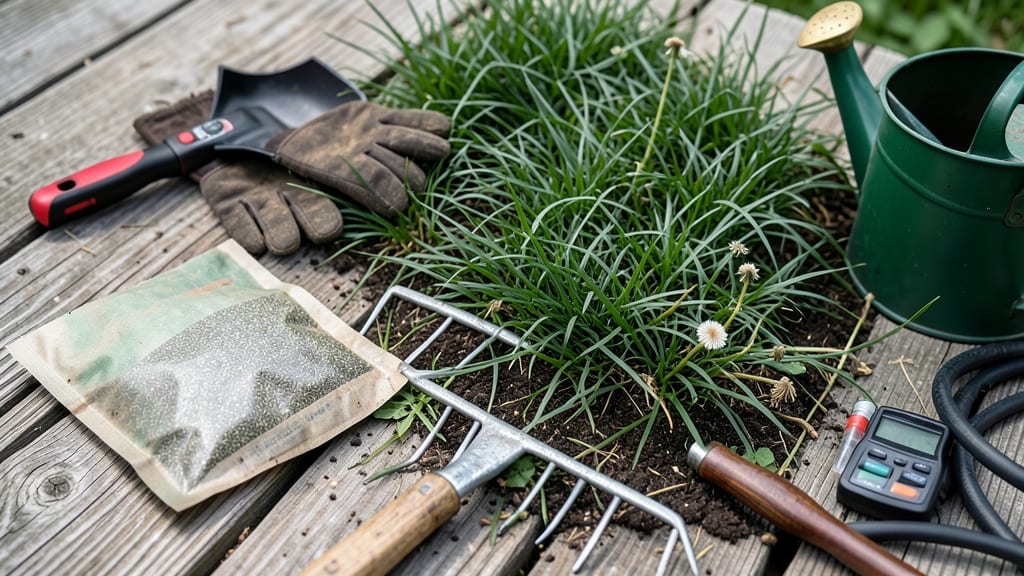
Planting your Grass Seed (Turfgrass) 🌱 at the wrong time in Wyoming could mean watching your investment wash away with the first hard frost—or worse, never taking root at all.
The exact planting window depends on your elevation, but getting it right means the difference between a lush, green lawn and a patchy, weed-infested disappointment.
Here’s the hard truth: Wyoming’s dramatic shifts from near-desert lowlands to high-altitude meadows create planting zones that can differ by hundreds of days.
Whether you’re in Cheyenne’s 5a-6b zone or Jackson’s 4a-5a, timing isn’t just about spring or fall—it’s about soil temperature, frost risk, and even wind patterns that can dry out seeds before they sprout.
I’ve broken down the optimal planting windows for every major Wyoming region, including when to prep your soil, which grass types thrive at your elevation, and how to outsmart Wyoming’s unpredictable weather. No more guesswork—just a clear, step-by-step guide to ensure your lawn starts strong and stays that way.
Let’s dive into the elevation-based timeline that’ll help you plant 4-6 weeks before frost risk fades—so your grass seed gets the perfect head start, no matter where you live in the state.
Wyoming’s grass seed planting zones by elevation (with exact frost dates)
Wyoming’s diverse elevation creates wildly different planting zones—from the high plains near Cheyenne to the Rocky Mountain foothills. Your last frost date can shift by 6+ weeks depending on where you live, making timing everything for successful grass seed germination.
For low-elevation areas (3,000–5,000 ft), like Laramie or Casper, your ideal planting window opens in mid-April after the last frost.
But in high-altitude zones (7,000+ ft), such as Jackson or Lander, you may need to wait until late May—or even seed in early fall (September) to avoid frost damage.
Here’s how to match your elevation to the right planting timeline, including soil temperature checks and microclimate adjustments for urban vs. rural yards.
| Elevation Zone (ft) | Last Frost Date | First Frost Date | Best Planting Window | Soil Temp. Threshold |
|---|---|---|---|---|
| 3,000–5,000 ft (Plains) | April 15–May 1 | October 10–15 | Mid-April to early June | 50°F (10°C) |
| 5,000–7,000 ft (Foothills) | May 1–15 | September 20–October 5 | Late April to mid-June | 55°F (13°C) |
| 7,000–9,000 ft (Mountains) | May 15–June 1 | September 1–15 | Late May to July | 60°F (16°C) |
| 9,000–10,000+ ft (Alpine) | June 1–15 | August 15–September 1 | Late June to August | 65°F (18°C) |
🌡️ Pro Tip: Use a soil thermometer to confirm readiness—seeds won’t sprout until soil hits the zone’s threshold.
If you’re in a transition zone (e.g., Sheridan at 4,000 ft), err on the side of late spring planting (late May) to avoid frost heave, where freezing soil lifts new seedlings out of the ground.
For high-altitude areas, consider fall seeding (September)—cooler temps reduce weed competition and help roots establish before winter.
Urban areas like Cheyenne or Laramie often experience microclimates with faster warming due to pavement. Test your soil’s readiness by pressing a soil thermometer 2 inches deep—wait until it consistently reads 50°F+ for low elevations or 60°F+ for mountainous regions.
For rural or windy areas, account for 1–2 extra weeks in your timeline. Wind desiccates soil and seedlings faster, so prioritize mulching with straw or lightweight topsoil to retain moisture and protect young grass.
Wyoming’s alkaline soils (common in the east) can also delay germination. Before planting, test your soil pH—aim for 6.0–7.5. If your soil tests higher, amend with sulfur or peat moss 4–6 weeks before seeding to give the pH time to adjust.
Finally, track your local frost-free days using the Wyoming State Climate Office or Almanac tools. In western Wyoming, you’ll typically have 90–120 frost-free days, while eastern regions enjoy 140–160 days. Plan your seeding to maximize this window!
Best grass seed types for Wyoming’s climate (and when to plant each)
Wyoming’s diverse climate demands grass seed varieties that handle extreme temperatures, drought, and alkaline soils. Cool-season grasses dominate here, but drought-resistant native options thrive in arid western regions. Your choice depends on elevation, soil type, and water availability.
For low-elevation plains (3,000–5,000 ft), Kentucky Bluegrass and Tall Fescue are top picks. They germinate quickly in spring (April) and fall (September), ideal for Cheyenne or Laramie’s shorter frost-free seasons. Buffalo Grass, a native perennial, excels in dry western regions like Sheridan, needing less water once established.
High-altitude areas (6,000+ ft) should opt for Fine Fescue or Wheatgrass, which tolerate cooler soils and shorter growing seasons. Plant these 1–2 weeks earlier than lowland varieties to account for later last-frost dates.
Warning: Frost Heave Risk
Planting too early (before soil warms to 50°F) can cause frost heave, where seedlings pop out of frozen ground. Use slow-release seed coatings to delay germination until stable temps arrive.
In high-alkaline soils (common in Wyoming), Tall Fescue outperforms others due to its pH tolerance. Test your soil’s pH before planting—aim for 6.0–7.0. If it’s higher, amend with sulfur or peat moss 4–6 weeks before seeding.
For urban lawns in cities like Casper or Rock Springs, mixed seed blends (e.g., 60% Tall Fescue + 30% Kentucky Bluegrass + 10% Clover) balance durability and drought resistance. Plant in early fall (September) to let roots establish before winter.
Always water deeply after planting—Wyoming’s low humidity and windy conditions dry soil quickly. Use a light mulch (straw or compost) to retain moisture and protect seedlings from temperature swings.