
Plants
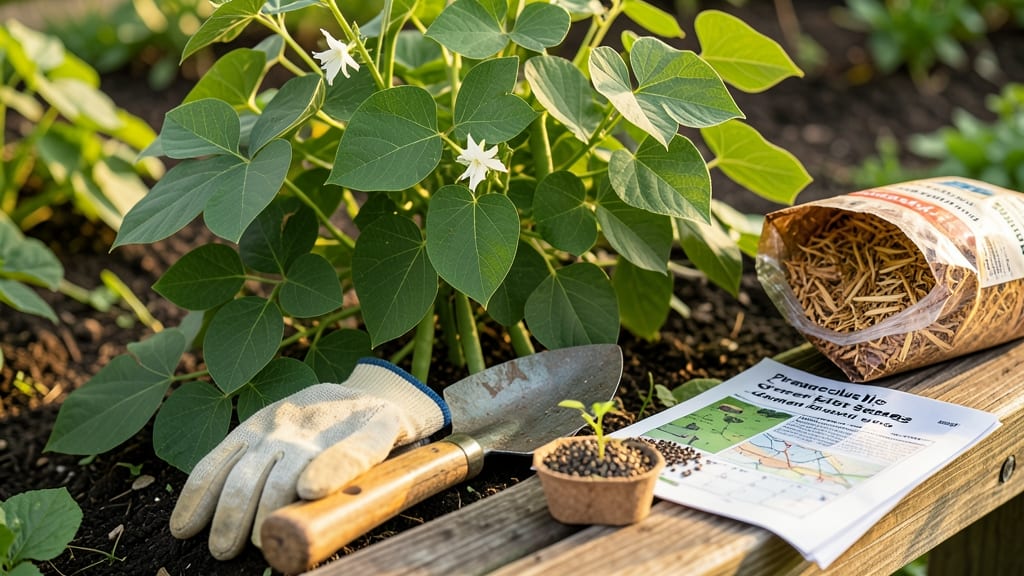
When to plant green beans in Connecticut 🌱 just right means the difference between a bountiful harvest and wasted seeds. The wrong window could leave you scrambling as frost creeps in or missing peak flavor when beans are at their best.
Connecticut’s USDA Zone 6a climate gives you two clear opportunities to plant—spring and fall—but getting the dates right is everything.
Whether you’re a first-time gardener or a seasoned green thumb, knowing when to start seeds (after last frost) and when to extend your harvest into fall will change your garden game.
I’ll break down the exact planting windows, soil temperature secrets, and how to use succession planting to keep fresh beans coming all season. No more guesswork—just a foolproof plan for Connecticut’s unpredictable weather.
Ready to grow beans that thrive? Let’s dive into the perfect frost-free window and soil prep that’ll have you harvesting crisp pods from July through October.
Connecticut green bean planting dates: frost-free window & last frost dates
Connecticut’s USDA Zones 5-6 create a 60-70 day growing window for green beans, but timing varies by region. The average last frost date hovers around April 15 in southern CT, while northern areas like Hartford may see frost lingering until May 1.
Plan your planting window accordingly to avoid frost damage to tender seedlings.
For spring plantings, wait until 2-3 weeks after your area’s last frost date.
In southern CT, this typically means mid-April to early May, while northern CT gardeners should aim for late May. Fall plantings (for a late-season harvest) should occur 80-90 days before your first frost, usually late July to early August.
Green beans thrive in warm soil, so don’t rush—cold soil delays germination. Use a soil thermometer to confirm temperatures are at least 60°F before planting. In CT’s clay-heavy soils, warming may take longer, so consider black plastic mulch to speed up the process.
Pole beans (like Kentucky Wonder) and bush beans (like Blue Lake) have slightly different ideal planting windows. Pole beans benefit from earlier starts (as they mature slower), while bush beans can handle later plantings due to their faster growth cycle. Both varieties can be succession-planted for continuous harvests.
Here’s how CT’s microclimates affect planting:
- Coastal areas (Zone 6b): Plant 2 weeks earlier than inland zones.
- Inland valleys (Zone 5b): Wait until soil warms fully to avoid rot.
- Highland regions (Zone 5a): Focus on fall plantings for best success.
| Planting Window | Variety Type | Notes |
|---|---|---|
| Mid-April to early May | Pole Beans | Best for early harvests; needs trellis. |
| Late May to June | Bush Beans | Faster maturity; ideal for succession planting. |
| Late July to early August | Both Types | Fall harvest; choose cold-tolerant varieties. |
| April 15 (avg. last frost) | All | Wait 2-3 weeks after last frost for safety. |
| October 15 (avg. first frost) | All | Plant 80-90 days before frost for fall crop. |
Use local frost date records to refine your schedule. Check Almanac.com or your local Cooperative Extension office for hyper-local data. For example, New Haven often sees frost 1 week earlier than Stamford, so adjust accordingly. If you’re unsure, start with bush beans—they’re more forgiving for late plantings.
For container gardening in CT, plant 1-2 weeks later than in-ground gardens. Potted soil cools faster and may require row covers to protect seedlings from unpredictable late frosts. Place containers in south-facing spots to maximize warmth and extend the growing season.
Pro tip: Mark your calendar for July 4th weekend—this is the ideal time to begin fall succession plantings in CT. By then, soil temperatures have stabilized, and you’ll have 8-10 weeks of growth before frost. Use cold-hardy varieties like ‘Provider’ or ‘Tendergreen’ for extended harvests.
Remember, green beans hate cold feet. Even if air temperatures are warm, cool soil will stall germination. If you’re eager to plant early, consider seedling trays indoors under grow lights, then transplant after the last frost. This gives you a 2-week head start on the season.
🌱
Ideal soil temperature & pre-planting preparation for green beans in CT
Green beans thrive when planted in warm soil, but Connecticut’s spring can be unpredictable. Aim for soil temperatures of at least 60°F (15°C)—this triggers germination and ensures strong starts.
In most of CT (USDA Zones 5-6), this typically aligns with mid-May, but cooler inland areas may need to wait until early June.
Use a soil thermometer to check—plant only when temps consistently stay above 60°F for 3-5 days. Cold soil delays germination and invites rot. If your soil is too cool, try black plastic mulch or straw covers to warm it faster.
These tricks add 5-10°F to soil temps, speeding up readiness for planting.
⚠️ Cold Soil Warning
Planting in cool soil (<55°F) causes:
- ✖️ Slow or failed germination
- ✖️ Seed rot and fungal diseases
- ✖️ Weak, leggy seedlings
Solution: Wait for consistent 60°F+ or use row covers to protect young plants.
Before planting, amend your soil with 2-3 inches of compost or well-rotted manure. Connecticut’s clay-heavy soils benefit from sand or perlite to improve drainage.
Green beans prefer slightly acidic to neutral soil (pH 6.0-7.0)—test your soil and adjust with lime (to raise pH) or sulfur (to lower pH) if needed.
Choose a sunny spot with 6+ hours of direct light daily. Even partial shade can reduce yields by 30-50%. If your garden is shady, opt for bush varieties like 'Blue Lake'—they tolerate slightly less sun than pole beans like 'Kentucky Wonder'.
For container growing, use 5-gallon pots with fast-draining mix (50% potting soil, 30% compost, 20% perlite). Place pots in full sun and water daily—containers dry out faster than garden beds. Elevate pots on feet or bricks to prevent waterlogging.
Finally, space plants correctly: 4-6 inches apart for bush beans, 6-8 inches apart for pole beans (with trellis support). Overcrowding leads to poor airflow, increasing rust and mold risks. Mulch with straw or grass clippings to retain moisture and suppress weeds—critical in CT’s hot summers.