
Plants
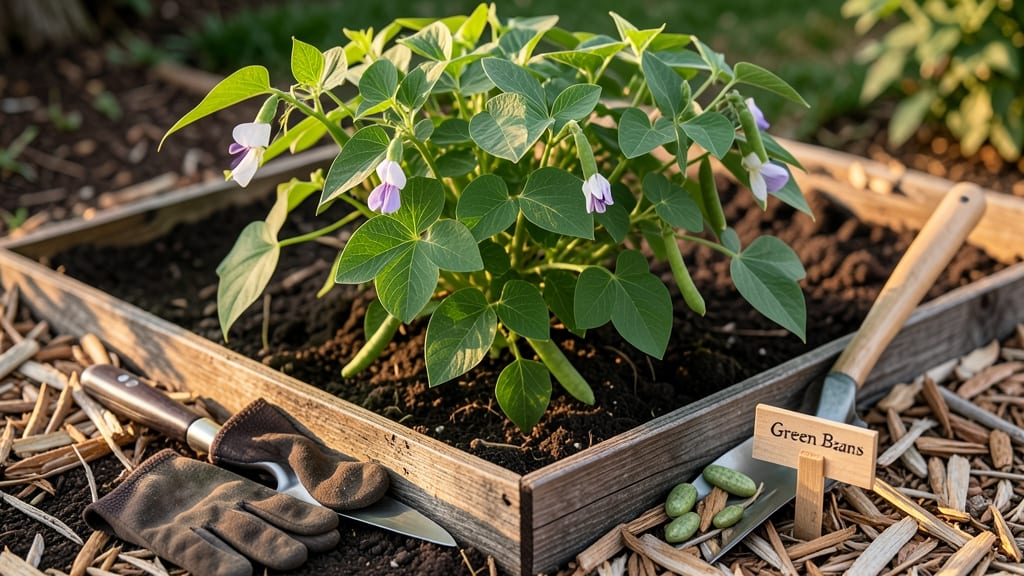
Timing your green beans 🌱 planting in Maine isn’t just about following a calendar—it’s about outsmarting the state’s unpredictable frosts and short growing season. One wrong move, and you could lose your entire crop before it even gets started.
The difference between a thriving harvest and a wasted effort often comes down to knowing exactly when the soil warms up and the last frost has passed.
In Maine’s 5b-6b zones, the ideal window for planting green beans opens in mid-May to early June, but that’s just the starting point. Soil temperatures need to hit at least 60°F—and coastal areas might be ready a week or two earlier than inland spots.
I’ll walk you through the exact steps to check your soil, adjust for your local microclimate, and pick the right varieties that thrive in Maine’s conditions.
What happens if you plant too early? You might end up with frost-nipped seedlings that never recover. Or if you wait too long, your beans could bolt before producing pods.
The key is balancing patience with action—knowing when to get those seeds in the ground so they have 130 frost-free days to mature. Let’s break down the checklist so you can avoid these common mistakes and set yourself up for success.
From choosing cold-hardy varieties like ‘Provider’ to using row covers for extra protection, I’ve got the practical tips you need to make the most of Maine’s growing season.
By the end, you’ll know exactly when to plant, how to prep your soil, and what to watch for once those little green shoots appear. Ready to turn your garden into a bean bonanza?
Maine’s green bean planting timeline by frost dates & soil temperature
Maine’s cool, variable climate demands precise timing for green bean success. The average last frost date ranges from mid-April in coastal areas to late May inland, but soil temperature is the real game-changer.
Green beans thrive when soil reaches 55–65°F, which typically happens 2–4 weeks after the last frost. Planting too early risks frost damage, while waiting too long shortens the harvest window.
For optimal growth, aim to plant green beans between mid-May and early June in most of Maine. Coastal regions (like Portland) can start slightly earlier, while inland areas (e.g., Bangor) should wait until late May.
Always check your local USDA Zone (5b–6b) and monitor soil temps with a soil thermometer—this tool is your best friend in Maine’s unpredictable spring.
Here’s your Maine-specific planting timeline, broken down by region and soil conditions to maximize your harvest:
Pro tip: Use black plastic mulch to warm soil faster in cooler regions. This trick can shave 1–2 weeks off your planting timeline by raising soil temps by 5–10°F. Just lay it down 1–2 weeks before planting—your beans will thank you with faster germination and earlier harvests.
If you’re eager to start earlier, cold-hardy varieties like ‘Provider’ or ‘Kentucky Wonder’ can tolerate light frosts when young. Pair them with row covers for extra protection. For inland gardeners, wait until June to avoid late spring frosts, which can devastate tender seedlings overnight.
Maine’s short growing season means every day counts. Plan for a 60–70 day harvest window from planting to first pick. If you miss the spring window, don’t despair—fall-planted beans (sown in late June) can still produce through September if given enough warmth.
Just be prepared to harvest aggressively before the first frost hits in October.
For maximum yield, space your plantings 2 weeks apart in May and June. This succession planting strategy ensures a steady supply of fresh beans all summer long. And remember: pole beans take up less garden space than bush varieties, making them ideal for Maine’s smaller plots.
🌱
How to adjust planting for early vs late varieties in Maine’s short season
Maine’s short growing season demands smart planning when choosing green bean varieties. Early varieties like ‘Provider’ tolerate cooler soils, while late-season types such as ‘Kentucky Wonder’ thrive in warmer conditions. The key is matching your planting window to the variety’s maturity timeline—typically 55–65 days for most types.
For coastal Maine, where last frost dates arrive earlier (mid-April to early May), start with bush beans. These mature faster (50–55 days) and handle cooler temperatures better.
Inland areas with later frosts (mid-May) can opt for pole beans, which take slightly longer (60–65 days) but produce more over time.
🌱 Early vs Late Variety Comparison
| Factor | Early Varieties (e.g., 'Provider') | Late Varieties (e.g., 'Kentucky Wonder') |
|---|---|---|
| Days to Maturity | 50–55 | 60–65 |
| Soil Temp Requirement | 50–55°F | 60–65°F |
| Best Planting Window | Mid-April (coastal) | Early June (inland) |
| Yield Potential | Moderate (quick harvest) | High (extended harvest) |
To maximize your harvest, consider succession planting. Start with early varieties in late April or early May, then follow up with mid-season types in mid-June. This staggered approach ensures a continuous supply of fresh green beans from July through September.
For pole beans, use trellises or stakes to save space and improve air circulation. Bush beans, on the other hand, grow well in raised beds or directly in garden soil. Both types benefit from companion planting—try pairing them with corn or potatoes to deter pests naturally.
If you’re in northern Maine (Zone 5b), prioritize cold-hardy varieties like ‘Blue Lake’ or ‘Tendergreen’. These handle cooler soils better and reduce the risk of frost damage. Always check the seed packet for days-to-maturity estimates and adjust your planting schedule accordingly.
Remember: Maine’s first frost typically arrives in mid-October, so plan your last planting no later than early August to ensure a full harvest before cold weather sets in. With the right variety and timing, you’ll enjoy fresh green beans straight from your garden all summer long! 🌿