
Plants
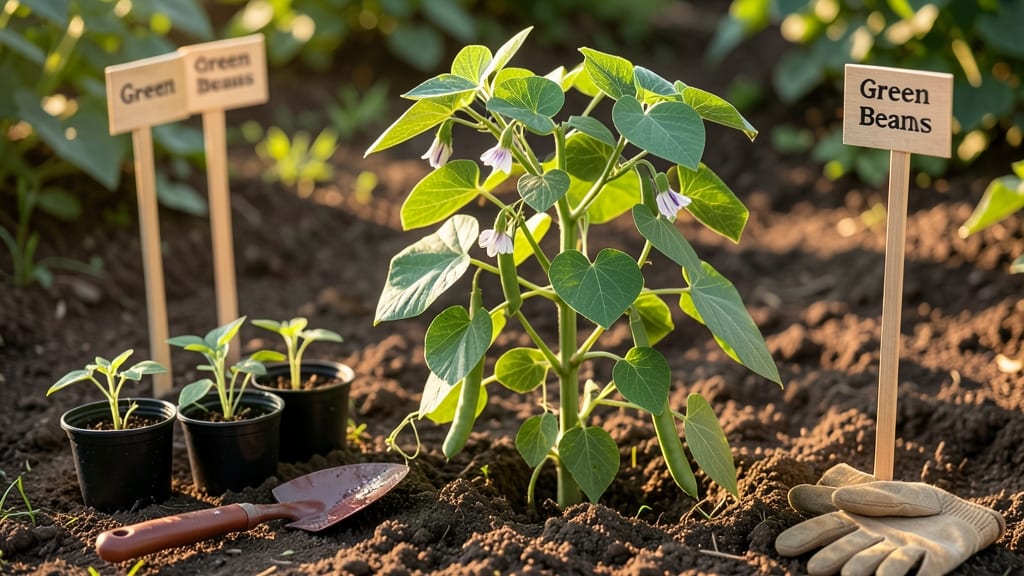
Timing your green bean 🌱 planting in Zone 8 isn't just about following a calendar—it's about outsmarting your local climate to get the most from your garden. Too early, and frost will nip your seedlings before they even sprout.
Too late, and you'll miss the sweet spot for a summer-long harvest. The difference between a handful of beans and a bushel basket often comes down to knowing exactly when to put those seeds in the ground.
Most gardeners in Zone 8 make the mistake of rushing spring plantings, only to watch their tender young plants struggle with lingering cool nights. But here's the secret: wait until soil temperatures hit at least 60°F—that's your green light for success.
This year, I'll show you the exact windows to plant for two bumper crops, whether you're working with seeds or transplants, and how to stretch your harvest well into fall.
We'll also tackle the regional quirks that can throw off even the most experienced gardeners. Coastal areas in Zone 8 might have milder springs, while inland spots could face sudden heat waves—both can drastically change your ideal planting dates.
By the end, you'll know not just when to plant, but how to adjust for your specific corner of Zone 8, ensuring your green beans thrive from first sprout to last harvest.
Ready to transform your garden from "meh" to "wow"? Let's dive into the precise timing, variety selection, and pro tips that will have you picking beans all season long—no guesswork required.
Zone 8 green bean planting calendar: exact dates for best yields
In Zone 8, your green bean harvest hinges on precise timing—plant too early and frost zaps your seedlings, too late and summer heat stresses them. The key is aligning your planting with soil temperatures above 60°F (15°C) and frost-free windows.
Most Zone 8 regions experience their last spring frost around mid-March, but coastal areas like Southern California may see frost-free conditions by February. Conversely, inland areas like Texas Hill Country might wait until late March for safety.
For maximum yield, focus on two primary planting windows: early spring (March–April) and late summer (July–August). Spring plantings give you a May–June harvest, while summer plantings deliver September–October pods.
The trick is avoiding the dog days of July when soil can exceed 90°F (32°C), causing beans to bolt prematurely. Let’s break down the exact dates and regional adjustments you need.
🌱 Zone 8 Green Bean Planting Timeline
| Stage | Action | Soil Temp | Zone 8 Regions |
|---|---|---|---|
| Last Frost Date | Wait 1–2 weeks | ≥60°F (15°C) | Feb (coastal) / Mar (inland) |
| Spring Planting | Direct sow seeds | 60–75°F (15–24°C) | Mid-Mar–Apr |
| Summer Planting | Direct sow seeds | 60–80°F (15–27°C) | Early Jul–Aug |
| First Frost | Harvest before frost | N/A | Mid-Nov |
💡 Pro Tip: Use a soil thermometer to confirm readiness—green beans won’t germinate below 60°F (15°C).
Regional microclimates in Zone 8 demand adjustments. For example, Southern California’s coastal areas (like San Diego) can plant green beans as early as February, thanks to milder winters. Meanwhile, Texas Hill Country may need to wait until late March due to colder nights.
The Florida Panhandle, with its humid summers, benefits from shade cloth during peak heat to prevent bolting. Always check your local frost dates (USDA Plant Hardiness Zone Map) and adjust by 1–2 weeks for safety.
Direct sowing seeds is the preferred method for green beans, as transplants struggle with root shock in Zone 8’s heat. Plant seeds 1 inch deep and 3–4 inches apart in rows 18–24 inches apart.
For pole beans, use trellises to save space and improve airflow, reducing disease risk. If you’re using transplants, harden them off for 7–10 days before setting them out to avoid transplant shock.
Soil preparation is non-negotiable. Green beans thrive in well-draining, slightly acidic soil (pH 6.0–7.0). Amend your soil with compost or aged manure 2–3 weeks before planting to boost fertility. Avoid fresh manure, which can burn tender roots.
A light mulch (straw or grass clippings) helps retain moisture and regulate soil temperature—critical in Zone 8’s swinging temperatures between day and night.
Monitor your plants closely for blossom-end rot, a common issue in Zone 8 caused by calcium deficiencies during heatwaves. To prevent it, side-dress with crushed eggshells or calcium-rich fertilizer every 4–6 weeks.
Water deeply in the morning to prevent fungal diseases like rust, which thrives in humid Zone 8 summers. Drip irrigation is ideal—it delivers water directly to roots without wetting foliage.
Harvest begins 55–70 days after planting, depending on the variety. Bush beans (like ‘Blue Lake’) mature faster (55–60 days), while pole beans (like ‘Kentucky Wonder’) take longer (65–70 days).
Pick pods every 2–3 days to encourage continuous production. Overripe beans toughen and lose flavor, so stay vigilant—especially during fall plantings, which may face shorter daylight hours.
Extend your harvest window by succession planting every 2–3 weeks after your initial sowing. This staggered approach ensures a continuous supply from late spring through fall. For example, plant your first batch in early April, then follow up with mid-April, late April, and early May sowings.
Repeat this strategy in July and August for a fall harvest.
If you’re pushing the limits, consider cold-tolerant varieties like ‘Christmas’ or ‘Tendergreen’, which can handle brief chills down to 25°F (-4°C). Pair them with row covers for extra protection during unexpected cold snaps.
Just remember: green beans are warm-season crops, so avoid planting when nights dip below 50°F (10°C)—they’ll sulk and refuse to thrive.
How to extend your green bean season in Zone 8: succession planting secrets
Zone 8 gardeners can enjoy green beans for nearly half the year with succession planting—the key to continuous harvests. By staggering plantings every 2-3 weeks, you’ll avoid the "harvest glut" while keeping your kitchen stocked.
Start with cold-tolerant varieties like 'Contender' or 'Blue Lake' to push your season limits.
Your first planting should happen 1-2 weeks after your last frost date (typically mid-March). Follow this with three more plantings spaced 3 weeks apart—this ensures fresh pods from spring through summer. For fall harvests, begin your final planting in early August to beat the first frost (mid-November).
🌱Pro Tip: Use row covers or black plastic mulch to warm soil faster in early spring or protect late plantings. These tricks can extend your season by 2-3 weeks on either end.
Succession Planting Timeline for Zone 8
- Planting 1: Mid-March – After last frost, soil at 60°F+
- Planting 2: Early April – 3 weeks after first planting
- Planting 3: Late April – Peak summer harvest begins
- Planting 4: Early August – For fall harvest before frost
📅 Harvest Window: May–June (spring) + September–October (fall)
For pole beans, which take longer to mature, start your succession plantings 1 week earlier than bush beans. Their vertical growth gives you more flexibility to squeeze in extra harvests. Just ensure your trellis is ready—5-6 feet tall—to support their height.
Watch for blossom-end rot (a common issue in hot Zone 8 summers) by maintaining consistent soil moisture. Mulch heavily with straw to retain moisture and prevent temperature swings. If you notice yellowing leaves, it’s often a sign of uneven watering—adjust to deep, infrequent watering (1-1.5 inches per week).
With these strategies, you’ll turn your Zone 8 garden into a green bean powerhouse, enjoying fresh pods from late spring through early fall. The secret? Plan ahead, monitor soil temps, and never let your plants go dormant too soon.