
Plants
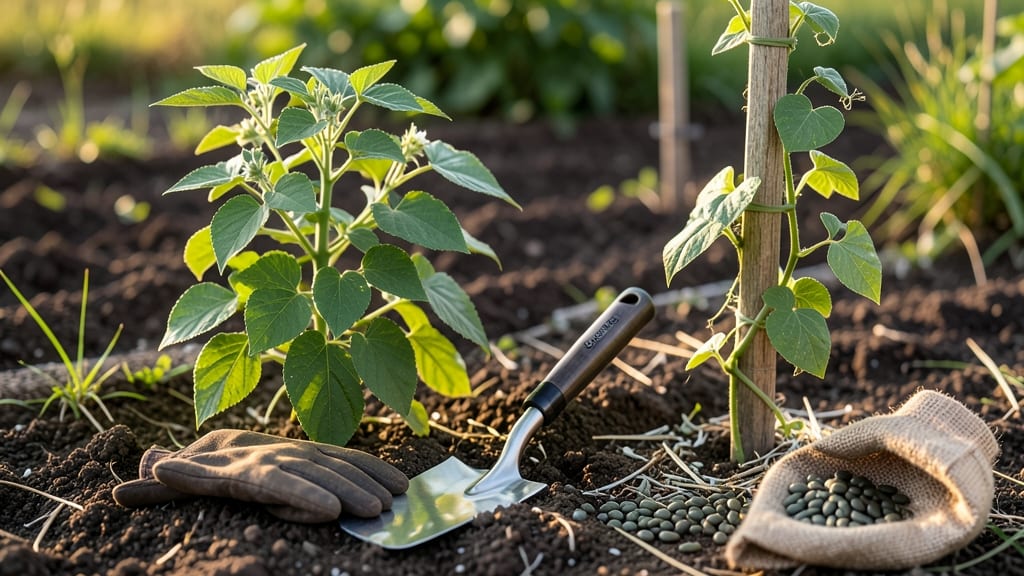
Timing your Green Bean 🌱 planting in New Jersey isn’t just about luck—it’s the difference between a bountiful harvest and a sad, wilted disappointment.
With the right window, you can enjoy fresh-picked beans from July through October, but plant too early or late, and frost or heat will ruin your efforts.
Here’s the secret: NJ’s 6a-7a zones give you two prime chances to grow Green Beans—once in spring and again in fall. Mid-April to early June is your first shot, but wait until after the last frost date to avoid chilly soil.
Then, if you’re feeling ambitious, late July to early August lets you squeeze in a second harvest before winter sets in.
I’ve tested the best methods for New Jersey gardens, from direct sowing to starting seeds indoors, so you don’t have to guess.
Whether you’re a first-time gardener or a seasoned pro, these tips will help you avoid common mistakes like planting too soon or choosing the wrong varieties for NJ’s climate.
Ready to turn your backyard into a bean bonanza? Let’s dive into the exact timing, soil tips, and variety picks that’ll make your harvest the envy of the neighborhood.
NJ green bean planting timeline by hardiness zone (5-7) and last frost dates
New Jersey’s diverse climate—spanning USDA Zones 6a-7a—means your green bean planting schedule depends on where you garden. Coastal areas like Cape May (Zone 7b) have warmer springs than inland spots like Sussex County (Zone 6a), so timing varies by 1-2 weeks.
Use these zone-specific windows to align with your last frost dates and soil temperatures.
For all NJ regions, soil must reach 60°F (15°C) before planting—cold soil stunts germination. Test with a soil thermometer or wait until mid-April to early May for spring plantings.
Fall plantings should happen 8-10 weeks before first frost (typically late July to early August), giving beans time to mature before October’s chill.
Bush beans (50-60 days to harvest) and pole beans (60-70 days) have different deadlines. Bush varieties can tolerate slightly cooler soils, while pole beans need warmer conditions to climb and produce. Below is your zone-by-zone breakdown, including microclimate adjustments for coastal vs. inland NJ.
| Zone/Region | Last Frost Date | Spring Planting Window | Fall Planting Window | Soil Temp. Requirement | Notes |
|---|---|---|---|---|---|
| Zone 6a (Sussex, Passaic) | Mid-April | Late April–May 15 | Late July–Aug 1 | 60°F+ | Cooler nights; use row covers |
| Zone 6b (Hunterdon, Morris) | Early April | Early April–May 10 | Late July–July 25 | 60°F+ | Moderate climate; ideal for bush beans |
| Zone 7a (Mercer, Burlington) | Late March | Mid-April–May 5 | Aug 1–15 | 58°F+ (earlier for bush beans) | Warmer microclimates; extend season with black plastic mulch |
| Zone 7b (Cape May, Atlantic) | Early April | Late March–April 20 | Aug 10–25 | 55°F+ (coastal warmth) | Longer growing season; pole beans thrive |
🌱 Pro Tip: Coastal NJ gardeners can start 2 weeks earlier than inland areas!
If you’re unsure about your exact last frost date, check the NJ State Climate Office or use the Almanac’s Frost Calculator. For zone 6a gardeners, I recommend planting bush beans first (they tolerate cooler soils) and pole beans 2 weeks later when soil warms.
In zone 7b, you can even try an early March sowing under row covers for a head start.
For fall plantings, aim to harvest before October’s first frost. In northern NJ (Zone 6a), this means planting by July 20 for a September harvest. In southern NJ (Zone 7b), you can push it to August 10 for beans into October.
Use heat-tolerant varieties like ‘Blue Lake’ or ‘Kentucky Wonder’ for late-season success.
Avoid the common mistake of planting too early—even if soil looks dry, cold nights (below 50°F) can stunt growth. Test soil with your
NJ green bean planting timeline by hardiness zone (5-7) and last frost dates
New Jersey’s USDA zones 6a-7a mean gardeners must time green bean planting carefully to avoid frost damage while maximizing harvest potential.
The last average frost date in most of NJ falls between mid-April (coastal areas) and late April (inland regions), but soil temperature is just as critical as air temperature.
Green beans thrive when soil reaches at least 60°F (15°C), which typically occurs by early May in northern NJ and late April in southern zones.
Planting too early in cold soil can stunt growth or invite rot, while waiting too long may reduce your harvest window before summer heat sets in.
🌱 NJ Green Bean Planting Summary Table
| Zone | Last Frost | Optimal Planting Window | Soil Temp | Harvest Window |
|---|---|---|---|---|
| 6a (North) | Mid-April | Early May - Early June | 60°F+ | July - August |
| 7a (South/Central) | Late April | Late April - Early June | 60°F+ | June - September |
| All Zones (Fall) | Mid-October | Late July - Early August | 65°F+ | September - October |
For bush beans, which mature faster (50-55 days), aim for early May planting in northern NJ or late April in southern zones. Pole beans, which take 60-70 days to harvest, benefit from a slightly later start (early to mid-May) to ensure they have enough growing time before summer heat.
Don’t overlook fall planting—sow seeds again in late July to early August for a second harvest before the first frost. This works best in zone 7a where summers are longer. Always use row covers in early spring or late fall to extend your growing season by 2-3 weeks.
Pro tip: Check NJ State Climate Office for real-time frost alerts. Coastal areas like Cape May often have 10-14 days earlier last frost dates than inland regions like Sussex County, so adjust your schedule accordingly.
Remember, soil prep is key. Amend your garden beds with compost before planting to improve drainage—NJ’s clay-heavy soils can suffocate roots if not properly aerated. Test your soil’s pH (aim for 6.0-7.0) and add lime if needed.