
Plants
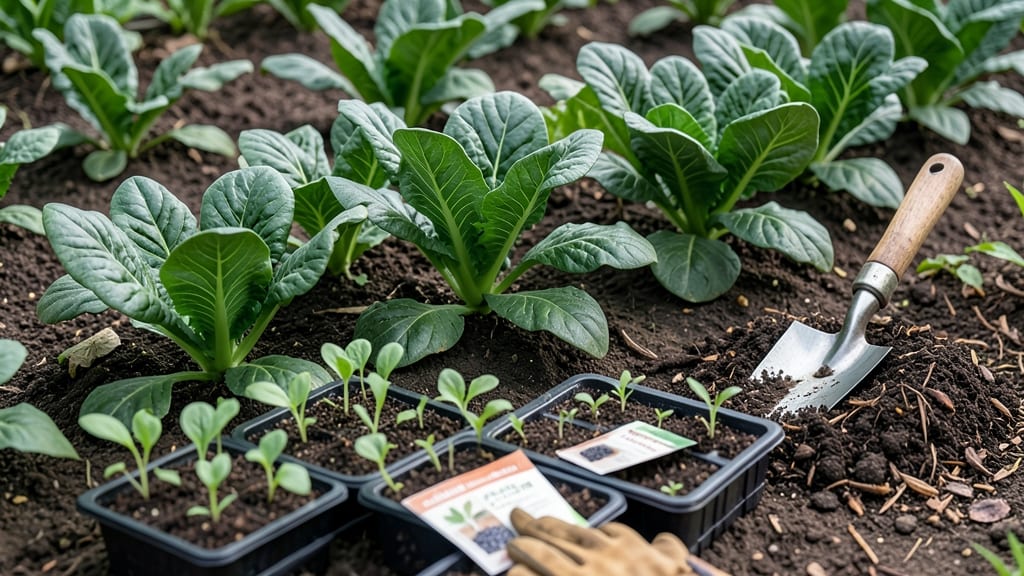
Planting greens at the wrong time in Georgia can turn your crisp 🥬 harvest into bitter, bolted disappointment—but getting the timing right means fresh salads straight from your garden for months. The key lies in understanding your local frost dates and choosing varieties that thrive in Georgia's 7a-9a climate zones, where spring and fall offer perfect growing windows.
Most gardeners know spring is ideal, but did you know fall planting often yields better results? With average last frosts around March 15 and first frosts near November 15, you've got a 210-240-day frost-free window to work with—plenty of time for two full harvests if you time it right.
Whether you're growing heat-sensitive lettuce or hardy kale, I'll show you exactly when to plant each variety for maximum yield. We'll cover how to beat Georgia's summer heat with shade cloth tricks and which microclimates (like Piedmont vs. Coastal areas) give you extra growing days.
Ready to transform your garden into a year-round salad bar? Let's dive into the perfect planting schedule so you can enjoy homegrown greens from February through November—no bitter surprises included.
Georgia’s frost-free planting zones for leafy greens
Georgia’s diverse climate—from the humid Coastal Plain to the Piedmont’s rolling hills—means planting greens depends heavily on your USDA zone and microclimate. Most of the state falls under USDA Zones 7a-8b, with last frost dates ranging from early March in the north to late February in the south.
For leafy greens like lettuce, spinach, and kale, timing is critical to avoid bolting (premature flowering) or frost damage.
In Zone 7a (north Georgia), where winters are cooler, aim to plant cold-hardy greens like collards and spinach 4-6 weeks before your average first frost (mid-November). In Zone 8b (south Georgia), you can extend your fall harvest until early December, thanks to milder temperatures.
Meanwhile, spring planting should start 4-6 weeks after your last frost date, typically by early March in most regions.
Here’s how to align your planting with Georgia’s frost-free windows:
For heat-sensitive greens like spinach and arugula, avoid planting after April 15 in northern Georgia or May 1 in southern zones. Instead, opt for heat-tolerant varieties like Swiss chard or Malabar spinach, which thrive in Georgia’s summer heat with partial shade and consistent moisture.
In Zone 8b, where winters are milder, you can even plant cool-season greens like collards in late October for a winter harvest. Just be sure to protect them with row covers if temperatures dip below 25°F.
Meanwhile, in Zone 7a, focus on early spring and late summer plantings to maximize your frost-free growing window.
Pro tip: Use a planting calendar tailored to your specific county, as microclimates can shift frost dates by 1-2 weeks. For example, Atlanta’s Piedmont region often experiences frost 1-2 weeks later than nearby rural areas.
Check local extension office resources or use a frost date calculator to fine-tune your schedule.
If you’re in Zone 8a or 8b, don’t overlook fall succession planting. Sow <
Best greens to plant in Georgia’s spring vs. fall seasons
Georgia’s two prime seasons for growing greens are spring and fall, thanks to milder temperatures that prevent bolting and bitter flavors. In spring, focus on cool-season varieties like spinach and arugula, while fall is ideal for heat-tolerant greens like Swiss chard and collards.
Each season demands different varieties to thrive.
Spring planting kicks off after the last frost, typically around mid-March in most of Georgia. This is your window for lettuce, kale, and mustard greens, which prefer cooler temperatures.
Fall planting begins in late summer, around August, to ensure a harvest before the first frost hits in November. Choosing the right varieties for each season maximizes your harvest potential.
Spring greens like Buttercrunch lettuce and Baby Bok Choy love the 50-65°F temperatures of early spring. These varieties bolt quickly in summer heat, so timing is critical. In contrast, fall greens such as Malabar spinach and turnip greens handle Georgia’s 75-85°F temperatures better, making them perfect for late-season planting.
Spring Greens (March-May)
Pros:
- Mild temps prevent bolting
- Longer daylight speeds growth
- Fewer pests than summer
Cons:
- Late frosts can damage young plants
- Limited heat-tolerant options
Fall Greens (August-October)
Pros:
- Heat-tolerant varieties available
- Fewer weeds and pests
- Harvest before frost for sweet flavor
Cons:
- Hurricane season risks in late summer
- Shorter daylight slows growth
For spring planting, start seeds indoors 4-6 weeks before the last frost date, then transplant outdoors when soil reaches 50°F. In fall, direct-sow seeds 6-8 weeks before the first frost for a steady harvest.
Use row covers in early fall to protect young seedlings from cool nights.
Heat-sensitive greens like lettuce and spinach should never be planted in summer without shade cloth, as temperatures above 80°F trigger bolting. Instead, opt for heat-loving varieties like Malabar spinach or Swiss chard during peak summer months. These varieties thrive in 90°F+ heat, making them ideal for Georgia’s hottest months.
Pro tip: Succession plant every 2 weeks in spring and fall to ensure a continuous harvest. This works especially well for baby greens like arugula and microgreens, which mature quickly. With the right timing and varieties, you can enjoy fresh greens from March through November in Georgia’s climate.