
Plants
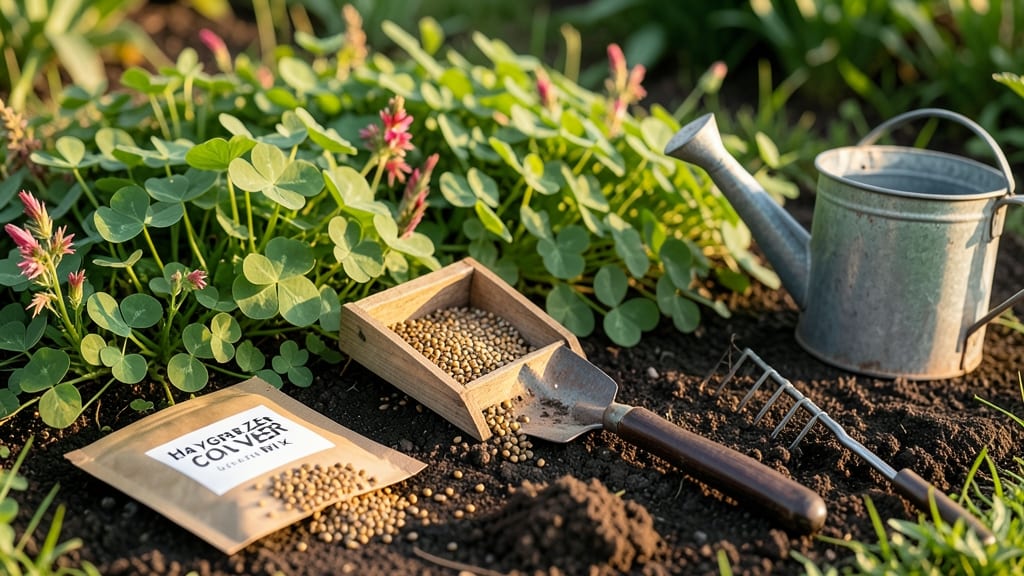
Planting Haygrazer 🌾 in Texas isn’t just about throwing seeds in the ground—it’s about outsmarting the state’s unpredictable frost dates and scorching summers. Get the timing wrong, and you’ll either lose your crop to early freezes or watch it wither under relentless heat.
The key? Understanding your specific USDA zone (8a-10b) and planting during the 200-day frost-free window that works best for your region.
Most Texas gardeners swear by fall planting—September to October—when temperatures cool down just enough to give Haygrazer a fighting chance. But in North Texas, where frost can sneak in as early as December, you might need to adjust your schedule.
Meanwhile, South Texas gardeners have a little more flexibility, thanks to milder winters. The real trick? Knowing when to plant so your Haygrazer establishes strong roots before summer’s brutal heat kicks in.
I’ve tested these strategies across different zones, and the results speak for themselves: proper timing means healthier growth, better yield, and less stress. Whether you’re a first-time gardener or a seasoned pro, this guide will help you avoid common mistakes and make the most of Texas’s unique climate.
Let’s dive into the exact planting windows that’ll set you up for success.
From soil prep to heat-zone hacks, we’ll cover everything you need to know to turn your Haygrazer into a thriving cover crop—no matter where in Texas you’re planting. Ready to grow smarter, not harder?
Texas frost-free planting zones for Haygrazer clover success
Texas spans USDA hardiness zones 6a-10b, creating wildly different planting windows for Haygrazer clover. In North Texas (zones 7-8), frost can linger until mid-March, while South Texas (zones 9-10) enjoys frost-free conditions by January.
These variations mean your planting timeline must shift hundreds of miles north to south—and getting it wrong can mean lost seedlings or stunted growth.
For maximum survival rates, aim to plant Haygrazer 2-3 weeks after your region's last frost date. This buffer gives seedlings time to establish roots before summer heat arrives.
Use the Texas A&M AgriLife Extension frost calculator (link in resources) to pinpoint your exact frost-free window—it’s your planting GPS.
Here’s the golden rule: In North Texas, plant late February to early March; in Central Texas, target mid-February to March; and in South Texas, you’ve got a January-February window. Miss these, and you’ll battle either frost damage or heat stress.
But wait—there’s a secret weapon for Texas gardeners: fall planting. In zones 7-8, sow Haygrazer in late September to October for a winter-to-spring harvest. This strategy lets the clover establish roots before winter chill, then bounce back faster in spring than spring-planted varieties.
Don’t overlook microclimates—your backyard might be 3-5°F warmer than official zone averages. Check for urban heat islands (common in cities like Dallas or Houston) or protected valleys (like the Hill Country) where frost lingers longer. Adjust your planting by 1-2 weeks based on these local factors.
Pro tip: Test your soil temperature before planting. Haygrazer thrives in 60-70°F soil. Use a soil thermometer—if it’s below 55°F, wait. Cold soil = slow germination and weak seedlings.
| Texas Region | USDA Zone | Last Frost Date | Ideal Planting Window | Fall Planting Window |
|---|---|---|---|---|
| North Texas (Dallas, Fort Worth) | 7b-8a | Mid-March | Late February - Early March | Late September - October |
| Central Texas (Austin, San Antonio) | 8a-8b | Early March | Mid-February - March | Late August - September |
| South Texas (Houston, Corpus Christi) | 9a-10b | January | January - February | October - November |
| West Texas (El Paso, Lubbock) | 7a-8a | Late March | Early April | September - Early October |
🌱 Plant after last frost + 2-3 weeks for best survival
If you’re new to Texas gardening, here’s a non-negotiable tip: Monitor local weather like a hawk. Sign up for free alerts from the National Weather Service or your local AgriLife Extension office.
A single unexpected frost can turn your seedling tray into ice cubes—and replanting costs time and money.
For urban gardeners, consider container planting. Haygrazer grows well in 5-gallon buckets or raised beds, giving you control over microclimates. Move containers to shadier spots during peak summer heat (10 AM–4 PM) to prevent wilting.
This flexibility lets you extend your planting window by 2-4 weeks.
Remember: Texas heat is your biggest enemy after frost. Haygrazer can handle 100°F+ temperatures, but established plants (with deep roots) outperform new seedlings. That’s why fall planting often yields better spring harvests—the clover gets a head start before summer arrives.
Start with small test plots if you’re unsure. Plant 10-20 sq ft in two different months (e.g., February and September) to compare growth. Track seedling survival rates and harvest yields—your data will reveal your personalized ideal window.
Texas frost-free planting zones for Haygrazer clover success
Texas spans USDA hardiness zones 8a through 10b, which means your Haygrazer clover planting window varies dramatically from the Panhandle to South Texas.
In North Texas (zones 8a-8b), you’ll face later last-frost dates (mid-February), while South Texas (zones 9a-10b) enjoys frost-free conditions by January 15. This difference can mean the difference between a thriving crop and a frost-killed disaster.
For optimal Haygrazer establishment, aim to plant 4-6 weeks before your region’s first frost. This gives seedlings time to root deeply before winter chill sets in.
In North Texas, that’s September 15-October 15, while South Texas gardeners can extend planting until November 1—just be prepared for potential early freezes in December.
🌱 Texas Haygrazer Planting Zones & Timing
| Region | USDA Zone | Last Frost | Ideal Planting Window | First Frost |
|---|---|---|---|---|
| North Texas | 8a-8b | Feb 15 | Sep 15-Oct 15 | Dec 1 |
| Central Texas | 8b-9a | Jan 31 | Sep 1-Oct 31 | Nov 15 |
| South Texas | 9a-10b | Jan 15 | Aug 15-Nov 1 | Nov 30 |
Use the Texas A&M AgriLife Extension frost date calculator to pinpoint your exact last frost date. Simply enter your ZIP code, and it’ll show you the 30-year average for your area.
Pro tip: Add 2 weeks to this date for a safer planting window—Haygrazer needs 60-75 days to establish before winter.
For spring planting, wait until soil temperatures exceed 60°F. In North Texas, this typically happens by mid-March, while South Texas can start as early as February 1. Test soil temps with a soil thermometer—cold soil slows germination and invites fungal diseases like Pythium.
If you’re in transition zones (8b-9a), like Austin or San Antonio, split your planting: 50% in September and 50% in October. This hedges against early freezes while maximizing fall growth.
Use row covers for early September plantings to protect seedlings if temperatures dip below 50°F at night.
Remember: Haygrazer thrives in cooler temperatures (60-75°F), so summer planting is risky unless you’re using shade cloth. For heat-stressed plants, see our next section on heat-zone hacks to keep your clover alive during Texas summers.