
Plants
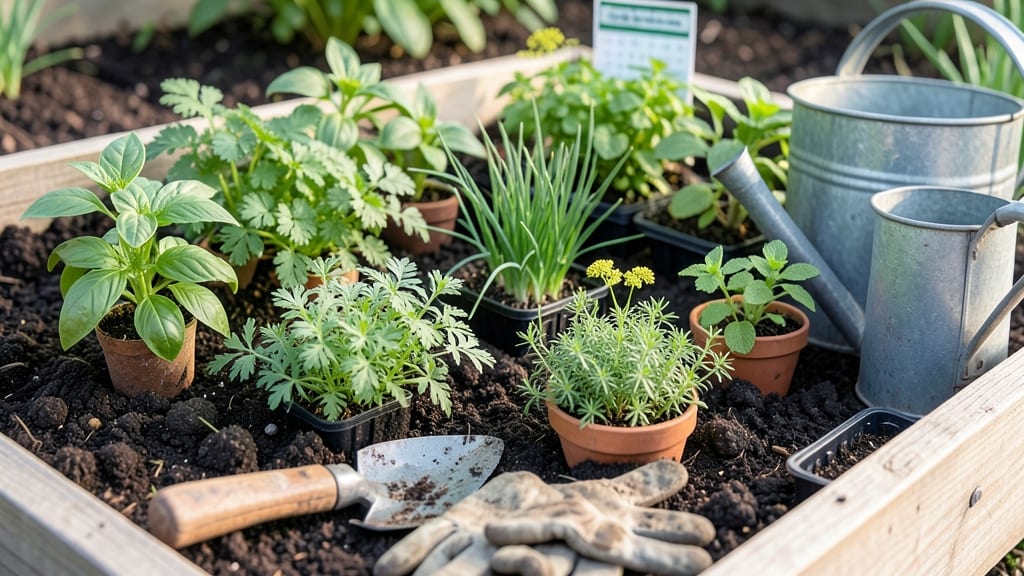
Timing your herb planting in Zone 6 can mean the difference between thriving 🌱 plants and frost-killed dreams—getting the exact months right ensures bold flavors and lush growth all season long.
If you've ever watched your basil bolt in the heat or your parsley wilt from late frosts, you know how critical the right schedule is. Zone 6's short growing season demands precision, but with the proper timing, you'll enjoy fresh herbs from summer through fall.
I'll break down the ideal planting windows for your favorite herbs—whether you're starting seeds indoors or sowing directly—and share pro tips to extend your harvest. No more guesswork, just flavor-packed success from your garden.
From hardy perennials like thyme to delicate annuals like cilantro, we'll cover everything you need to know to make this your most productive herb season yet. Let's get those seeds in the ground at the perfect moment!
Best months to plant herbs in Zone 6 for maximum growth
Getting your herb planting timing right in Zone 6 means avoiding late frosts while ensuring robust growth before summer heat arrives. Most annual herbs like basil and cilantro thrive when planted after your last frost date, typically mid-April to mid-May.
Meanwhile, hardy perennials such as thyme and oregano can handle earlier planting as soon as the soil warms to 45°F.
For direct sowing, wait until soil temperatures consistently reach 60°F, usually late May for heat-loving herbs like rosemary. Starting seeds indoors 6-8 weeks before your last frost (around March) gives you a head start. This approach works especially well for slow-growing herbs like dill or parsley.
Zone 6's first frost typically arrives between October 15th and November 15th, so plan your late-season herbs like parsley and chives to be harvested before then. Some herbs, such as cold-hardy cilantro, can even tolerate light frosts and may produce better flavors after a brief chill.
| Herb Type | Best Planting Window | Soil Temp Threshold | Notes |
|---|---|---|---|
| Annual Herbs (basil, cilantro, dill) | Mid-April to mid-May | 50°F+ | Start indoors 6-8 weeks before last frost |
| Perennial Herbs (thyme, oregano, sage) | Early April to early May | 45°F+ | Hardy; can survive light frosts |
| Heat-Loving Herbs (rosemary, lavender) | Late May to early June | 60°F+ | Wait for warm soil; direct sow only |
| Cold-Hardy Herbs (parsley, chives) | March to early April | 35°F+ | Can handle light frost; great for early harvests |
Microclimates in Zone 6 can shift planting windows by 2-3 weeks. South-facing slopes warm up faster, allowing earlier planting, while low-lying areas may need to wait until June for heat-loving herbs.
Always check your local frost dates—tools like the National Weather Service or Old Farmer’s Almanac provide reliable data.
For container gardening, you can extend your season by moving pots indoors or to a sheltered spot when nights dip below 50°F. Herbs like mint and parsley thrive in containers and can be brought inside for winter harvests. Just ensure they get 6+ hours of sunlight even indoors.
Succession planting is key for continuous harvests. Sow basil every 2 weeks from May through July to enjoy fresh leaves all summer. Similarly, cilantro bolts quickly in heat—plant new batches every 3 weeks for a steady supply. This method works especially well for fast-growing annuals.
If you miss the spring window, don’t despair—many herbs like parsley and chives can be planted in early fall (August-September) for a winter harvest. Just ensure they’re established before first frost and protect them with mulch or row covers.
Always test your soil pH before planting—most herbs prefer 6.0 to 7.0. Amend with compost or lime if needed, and avoid over-fertilizing, which can dilute flavor. A well-prepped bed ensures your herbs grow strong and flavorful from day one.
Finally, keep a planting journal to track what works best in your Zone 6 garden. Note which herbs thrive with early starts, which bolt in heat, and how microclimates affect growth. Over time, you’ll refine your planting schedule for maximum harvests.
How to extend your herb growing season in Zone 6
Zone 6 gardeners face a short but sweet herb-growing window—typically May through September. But with the right strategies, you can push those boundaries and enjoy fresh herbs months longer. Cold frames, row covers, and succession planting are your secret weapons for a year-round harvest.
Start by planting cold-hardy herbs like parsley, chives, and thyme as early as April under protective covers. These perennials survive light frosts, giving you an early jump on flavor. For heat-loving herbs like basil and cilantro, use row covers to shield them from late-season frosts in October.
5 Ways to Extend Your Herb Season
- 🌱 Cold Frames: Extend spring planting by 4-6 weeks using clear plastic or glass covers. Ideal for parsley, chives, and mint.
- 🌿 Row Covers: Protect tender herbs like basil and cilantro from late frosts in October, adding 2-3 extra weeks of growth.
- ✂️ Succession Planting: Sow fast-growing herbs like basil every 2 weeks from May to July for continuous harvests.
- 💧 Drip Irrigation: Keep soil consistently moist in containers or beds to prevent stress during hot summers or cool springs.
- ☀️ Heat-Tolerant Varieties: Choose Genovese basil, Thai basil, or lemon balm—they thrive in Zone 6 summers when other varieties bolt.
For container gardening, move pots indoors near south-facing windows in late September to keep herbs like mint and oregano alive through winter. Just ensure they get at least 6 hours of light daily to prevent legginess.
Don’t forget mulching! A thick layer of straw or wood chips insulates herb roots, keeping them 5-10°F warmer in spring and 5-10°F cooler in fall. This simple trick can delay frost damage by 2-3 weeks.
With these tactics, you’ll transform Zone 6’s short season into a longer, more productive herb-growing powerhouse. Start experimenting this year—your taste buds will thank you!