
Lawn
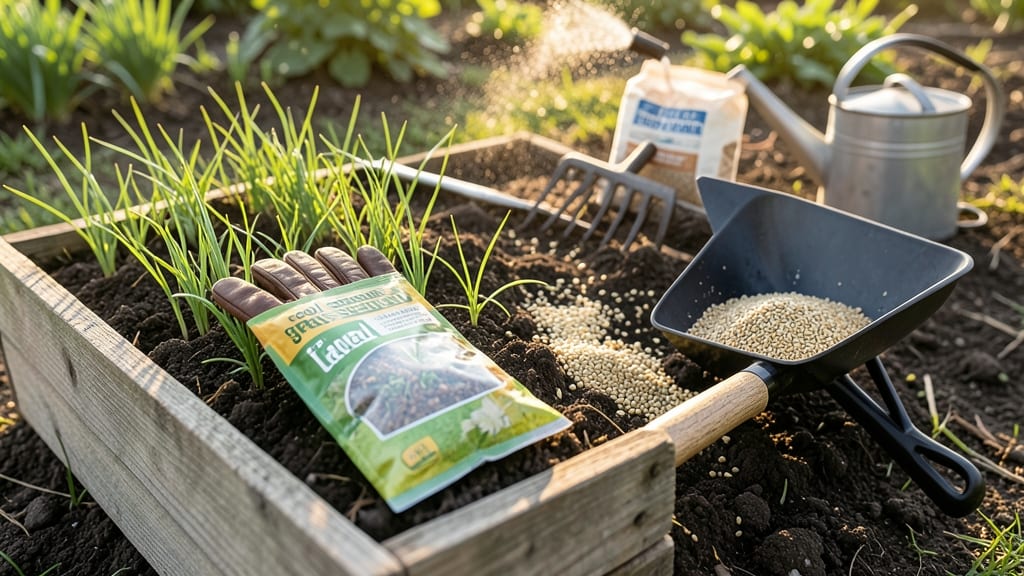
Timing your lawn seed planting just right in the fall could mean the difference between a thin, patchy lawn and a thick, vibrant carpet by next spring.
The key is planting 4-6 weeks before your first frost, when temperatures are still warm enough for germination but cool enough to prevent stress.
In USDA Zone 6a, that window typically opens in late summer and closes by mid-October—but getting it wrong can leave your 🌱 struggling to take root.
I’ve seen firsthand how a well-timed fall planting creates a lawn that’s stronger, greener, and more resilient than spring starts. The cooler weather reduces weeds, and the longer daylight hours give young grass roots time to establish deep before winter dormancy.
But don’t worry—even if you’ve missed the perfect window, I’ll show you how to adjust for your specific climate and grass type.
What you’ll discover here is the exact science behind why fall is the best time to plant, how to read your local frost dates, and the simple steps to prepare your soil for maximum success.
Whether you’re in the North or South, I’ve got the regional breakdowns you need to avoid common mistakes and set your lawn up for a head start in spring.
Ready to transform your yard? Let’s dive into the ideal planting weeks, soil prep secrets, and the grass varieties that thrive when sown at the right time. Your future lawn will thank you.
Best fall lawn seed planting weeks before frost (by region)
Fall is the perfect window for planting lawn seed because cool temperatures and moderate rainfall create ideal conditions for germination. The key? Planting 4-6 weeks before your first frost date—this gives grass roots time to establish before winter dormancy.
But timing varies by region, so let’s break it down by climate zone.
In Northern climates (USDA Zones 3-5), where winters are harsh, aim to plant between mid-August and early September. This ensures your lawn has 6-8 weeks of warm soil before frost hits in late October or November.
For example, in Zone 4, planting in early September gives roots a strong head start before the ground freezes.
Southern regions (USDA Zones 7-10) have longer growing seasons, so you can plant later—typically from mid-September to early October. The goal is still 4-6 weeks before frost, but frost dates are later here.
In Zone 8, for instance, you might plant in late September to avoid the rare early frost.
Transitional zones (USDA Zones 6-7) offer a flexible window from late August to mid-October. Check your local frost dates—planting in early September usually works well, but adjust if your area has unpredictable weather.
🌱 Pro Tip: Use the National Weather Service’s frost calendar for your city. For example, Chicago (Zone 5) typically sees frost by October 15, so plant by September 1. In Atlanta (Zone 7b), frost arrives around November 15, so you can plant until October 15.
Soil temperature is just as critical as frost dates. Cool-season grasses like Kentucky bluegrass and fescue thrive when soil temps are between 60°F and 75°F. Use a soil thermometer to confirm—plant only when temps are consistently in this range.
In hot climates, wait until evening temps drop below 85°F to avoid seed dormancy.
If you’re in a drought-prone area, prioritize planting in September when rainfall is more reliable. Overwatering in late fall can lead to fungal diseases, so aim for 1 inch of water per week (including rainfall) and water deeply in the morning to reduce evaporation.
🌡️ Watch Out: If your area experiences unpredictable weather, like early freezes or heatwaves, err on the side of earlier planting. For example, Mountain states (Zone 5) can have sudden frost, so plant by late August even if your city’s average frost date is later.
Finally, test your soil’s pH before planting. Most cool-season grasses prefer a pH of 6.0-7.0. If your soil is too acidic or alkaline, amend it with lime (to raise pH) or sulfur (to lower pH) 4-6 weeks before seeding. This gives you time to adjust without rushing the process.
By aligning your planting with local frost dates, soil temps, and rainfall patterns, you’ll give your lawn the best chance to establish deep roots before winter—leading to a greener, healthier yard next spring. ✂️
Best fall lawn seed planting weeks before frost (by region)
Timing your lawn seed planting is the secret to a thick, resilient lawn that survives winter. The golden rule? Plant 4-6 weeks before your first frost—this gives cool-season grasses time to establish deep roots before dormancy.
But your exact window depends on your region, as frost dates vary wildly from the Pacific Northwest to the Deep South.
Northern climates (USDA Zones 3-5) have the tightest window—aim for late August to mid-September. Southern regions (Zones 7-9) can stretch planting until early October or even November, thanks to milder winters. Transitional zones (like Zone 6) fall somewhere in between, with mid-September as the sweet spot.
| Region | USDA Zones | Ideal Planting Window | Frost Buffer |
|---|---|---|---|
| Northern | 3-5 | Late August - Mid-September | 4-6 weeks before frost |
| Transitional | 6-7 | Mid-September - Early October | 5-7 weeks before frost |
| Southern | 7-9 | Early October - November | 6-8 weeks before frost |
Check your local average first frost date (use the USDA Plant Hardiness Zone Map) and count backward. For example, if frost hits October 20th in your area, plant by September 10th to ensure roots establish before dormancy.
Pro tip: Soil temperature matters more than air temperature—aim for 50-65°F for optimal germination.
If you're in a warmer microclimate (like a city heat island), you might push planting slightly later. But never wait until after the first frost—seedlings won’t survive the freeze.
For warm-season grasses (like Bermuda or Zoysia), fall planting is still possible in Zones 7-10, but focus on late summer to early fall for best results.
Missed the window? Don’t panic. You can still overseed in early spring, but fall planting gives you a 30-50% thicker lawn with less weed competition. The key is consistent moisture and proper soil prep—even a late start can yield great results if conditions are right.
For precise timing, bookmark your local cooperative extension service’s frost calendar—they’ll give you the most accurate region-specific advice. And remember: Cool-season grasses (like fescue and ryegrass) thrive in fall, while warm-season grasses prefer spring. Choose wisely!