
Plants
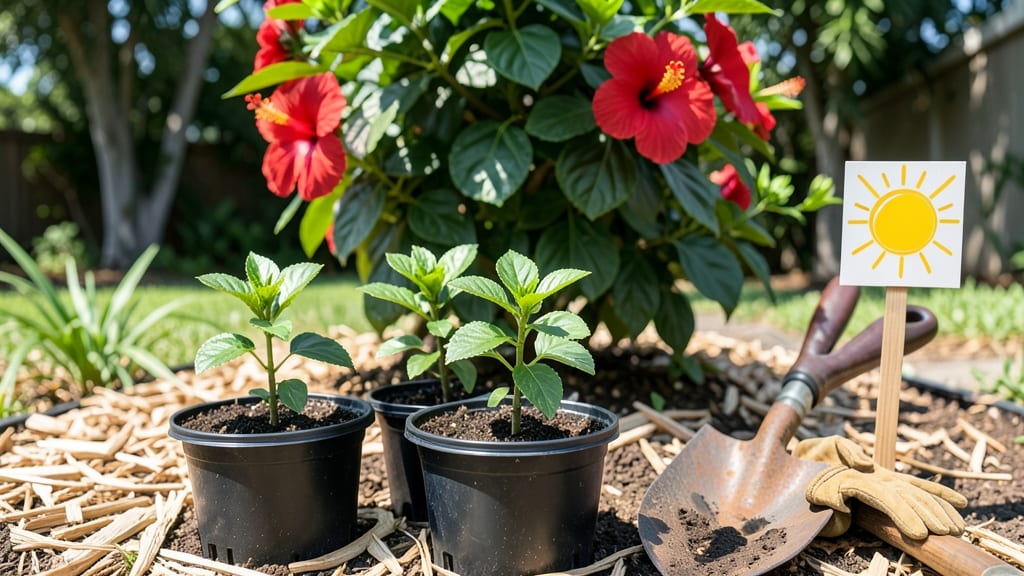
If you’ve ever watched a 🌸 hibiscus bloom in Florida and wondered when to plant hibiscus in Florida—timing might be the missing piece. Unlike other plants, hibiscus in Florida’s 9a-11 zones can be planted year-round, but getting the schedule right ensures vibrant blooms from spring to fall without stress.
The key? Avoiding extreme heat or cold snaps—even Florida’s rare dips can shock tender roots. Whether you’re planting tropical varieties that love humidity or hardier types that tolerate slight fluctuations, the best window is spring or early summer when temperatures stabilize.
This is when hibiscus roots establish quickly, setting the stage for nonstop color.
But here’s the secret most gardeners miss: soil temperature matters just as much as air temperature. Planting too early in chilly mornings or too late in sweltering afternoons can stunt growth.
I’ll show you exactly when to prep your soil, how to choose the right variety for your microclimate, and even how to extend blooms through strategic care.
Ready to turn your yard into a hibiscus paradise? Let’s dive into the heat-zone timeline that’ll have your plants bursting with blooms all season long—no guesswork, just guaranteed results.
Florida heat-Zone planting calendar for hibiscus success
Florida’s 3 distinct heat zones mean your hibiscus planting strategy should match your location—whether you’re in North Florida’s cooler winters or South Florida’s year-round warmth. The key? Aligning your planting with soil temperatures, rainfall patterns, and variety hardiness.
Tropical hibiscus thrives in USDA Zones 10-11, while hardy varieties like Hibiscus syriacus can handle Zone 9a’s rare dips below 25°F.
For North Florida gardeners (Zones 8b-9a), timing is critical—plant tropical hibiscus in spring (March-April) after the last frost risk (usually mid-February) and hardy varieties in early spring (February).
Central Florida’s Zones 9a-9b offers flexibility: year-round planting works for tropical types, but spring (April-May) is ideal for hardy hibiscus. In South Florida (Zones 10a-11), you can plant anytime, but late spring (May-June) gives roots time to establish before summer’s intensity.
| Zone | Best Planting Window | Soil Temp Threshold | Variety Recommendation | Avoid Planting When |
|---|---|---|---|---|
| North (8b-9a) | March-April (spring) | 60°F+ (15°C+) | Hardy hibiscus (H. syriacus) or cold-tolerant tropicals | Winter (Dec-Feb) |
| Central (9a-9b) | Year-round (best April-May) | 65°F+ (18°C+) | Tropical hibiscus (H. rosa-sinensis) | Peak summer (July-Aug) |
| South (10a-11) | Anytime (best May-June) | 70°F+ (21°C+) | All tropical varieties | Hurricane season (June-Nov) |
🌱 Pro Tip: Use a soil thermometer to confirm 60°F+ before planting—cold soil stunts root growth.
In North Florida, where rare 20°F freezes can occur, opt for hardy hibiscus varieties like Hibiscus syriacus or Hibiscus moscheutos. These handle Zone 9a’s chill better than tropical types.
For Central Florida’s transitional climate, staggered planting in spring and fall extends bloom seasons—plant half in April and half in September for continuous color.
South Florida’s tropical hibiscus (like Hibiscus rosa-sinensis) loves humidity and heat, but avoid planting in July-August when intense sun and drought stress can shock young roots.
Instead, plant in May or September to give roots time to establish before summer’s peak. Mulch heavily with 3-4 inches of pine bark to retain moisture and regulate soil temps.
For container gardening—perfect for urban Florida balconies—plant tropical hibiscus in late spring (May) when nighttime temps stay above 65°F. Use well-draining pots with cactus/succulent mix and fertilize weekly during bloom season.
Containers dry faster, so water daily in summer and move to shade during 100°F+ heatwaves to prevent leaf scorch.
Watch for rainfall patterns—Florida’s wet summers (June-Sept) can lead to root rot if hibiscus sit in soggy soil. Amend clay-heavy soils with compost and perlite to improve drainage. In dry winters (Dec-Feb), group hibiscus with other plants to create a microclimate that retains moisture longer.
If you’re transplanting mature hibiscus, do it in early spring (March) or late fall (October) when temps are mild and humidity is higher. Prune 1/3 of the plant before transplanting to reduce stress. For bare-root plants, soak roots
Signs your Florida hibiscus planting timing is perfect (or wrong)
Planting hibiscus at the right time in Florida isn’t just about checking a calendar—your plants will tell you if you’ve nailed it or missed the mark. Watch for soil temperature cues first: ideal planting happens when soil reaches 65°F+.
Stick your finger 2 inches deep—if it feels warm (like a sunny spring morning), you’re golden. Cold soil delays root growth, leaving plants vulnerable to root rot or heat stress later.
Next, check the leaf color of your new hibiscus. Healthy green leaves with a slight waxy sheen mean perfect timing. But if you see yellowing leaves or brown edges, you’ve planted too early—your hibiscus is struggling to establish roots in cooler soil.
This is especially critical in North Florida, where rare light frosts can sneak up even in winter.
🌱Pro Tip: If you’re planting in containers, wait until nighttime temps stay above 55°F—this protects tender tropical varieties like Hibiscus rosa-sinensis from chill damage.
Now, let’s talk bud formation. A perfectly timed hibiscus will start forming flower buds within 6-8 weeks of planting. If buds appear too quickly (within 3-4 weeks), your plant is heat-stressed—likely planted during a summer heatwave.
Conversely, if buds take longer than 10 weeks, you planted too late, and the plant is struggling to recover from summer’s peak.
Here’s a red flag: Dropping buds or wilting flowers after planting? That’s your hibiscus screaming for better moisture or shade adjustment. Florida’s intense afternoon sun can scorch new plants if they’re not yet established.
In Central and South Florida, this often happens when gardeners plant in June or July—the hottest months—without providing afternoon shade.
🌿Zone-Specific Fix: In North Florida (Zone 8a-9a), if you planted in fall and buds aren’t forming by December, your hibiscus may need a light winter mulch (2-3 inches of straw) to protect roots from unpredictable cold snaps.
Finally, observe the stem strength. A perfectly timed hibiscus will develop sturdy, upright stems within 8-12 weeks. If stems are weak or leggy, you’ve likely planted too late in the season, and the plant is stretching for light instead of rooting.
This is common in South Florida (Zone 10a-11) if planted in late summer—the plant may not recover before hurricane season stresses it further.
⚠️ Callout Warning:
- Planting in peak summer (June-August) without shade—hibiscus wilts faster in 100°F+ soil.
- Ignoring soil pH (6.0-6.5 ideal)—low pH causes yellow leaves and poor blooms.
- Overwatering newly planted hibiscus—soggy soil drowns roots before they establish.
- Skipping mulch in North Florida—unprotected roots freeze in rare cold snaps.