
Plants
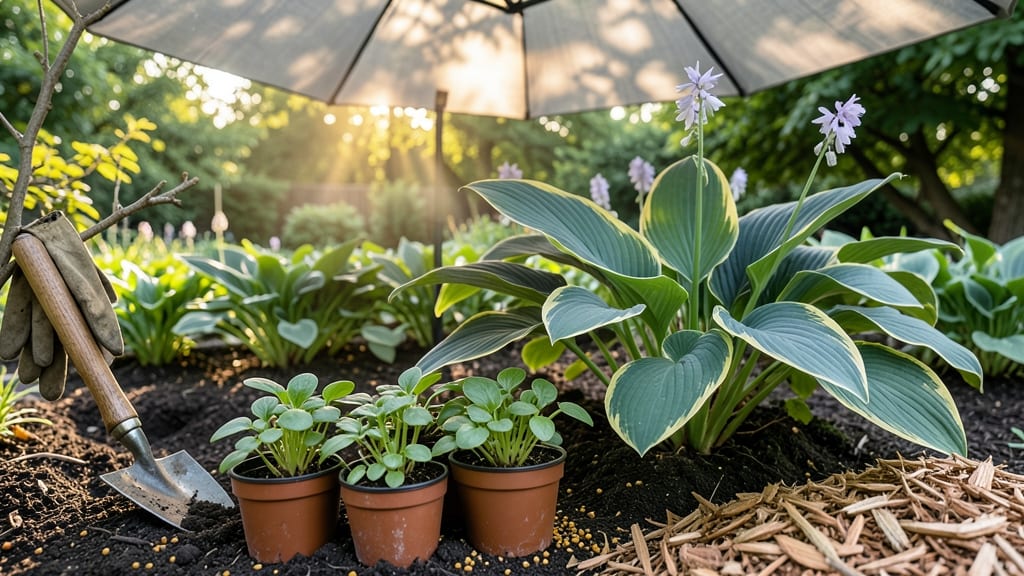
Timing your Hosta planting in Zone 7 can make or break how well these shade-loving beauties thrive—especially when frost is lurking just around the corner. Whether you're a seasoned gardener or just starting your 🌿 collection, getting the window right means the difference between vibrant foliage and struggling plants.
Zone 7 gardeners know the drill: spring and fall are the prime seasons, but even then, a few weeks can spell disaster. The key is planting when soil temperatures are just right—warm enough to encourage root growth but cool enough to avoid stress.
Let me break down the exact timing you need for foolproof success.
You might think spring is the only option, but fall planting actually gives hostas a head start on root establishment before winter. I’ll show you how to navigate both seasons like a pro, plus the critical steps to protect your plants from late frosts or unexpected heatwaves.
Ready to avoid common mistakes and set your hostas up for years of lush, healthy growth? Let’s dive into the best planting windows, soil prep tips, and post-planting care to keep your garden thriving all season long.
Best planting windows for hostas in Zone 7 (with frost-free logic)
Hostas thrive in Zone 7 when planted during two key windows: early spring and fall. These periods align with soil temperatures and frost risks that ensure strong root establishment.
In my experience, planting at the wrong time often leads to slow growth or frost damage, especially in Zone 7's variable climate.
For spring planting, aim for 4-6 weeks before your last frost date (typically mid-March to early April in Zone 7). This gives roots time to establish before summer heat arrives.
Fall planting, on the other hand, should occur 6-8 weeks before your first frost (usually mid-September to early October), allowing roots to settle before winter dormancy.
Zone 7's microclimates can shift frost dates by weeks, so always check local records. For example, Zone 7a (colder) may have frost until October 15, while Zone 7b (warmer) might see frost by November 1. Adjust your timing accordingly to avoid late-season surprises.
Soil temperature is critical—hostas prefer 50-60°F for root growth. Use a soil thermometer to confirm readiness. Planting too early in cold soil can stunt growth, while waiting too long risks summer heat stress or early frost exposure.
Here’s how these windows compare for your Zone 7 garden:
| Planting Window | Ideal Months | Soil Temp | Key Benefit | Risk to Avoid |
|---|---|---|---|---|
| Early Spring | March–April | 50–60°F | Strong root growth before summer | Late frost damage |
| Fall | September–October | 50–65°F | Established roots for winter | Early frost stress |
Adjust for local microclimates—higher elevations may need earlier planting.
Spring planting lets hostas establish roots before summer heat, while fall planting leverages cooler temps for root growth without the stress of summer drought. Both methods work well in Zone 7, but fall planting often yields stronger plants because they enter dormancy with a head start.
If you’re unsure about your local frost dates, use the USDA Plant Hardiness Zone Map and check with your local Cooperative Extension Service for precise timing.
For example, Atlanta, GA (Zone 7b) typically has a last frost around March 15, while Lexington, KY (Zone 7a) may see frost until April 1.
Pro tip: Mulch heavily after planting (2–3 inches of organic mulch) to regulate soil temperature and retain moisture. This is especially important in Zone 7’s fluctuating spring and fall temperatures, where mulch can mean the difference between thriving and struggling hostas.
For container-grown hostas, timing is even more critical. Plant them slightly later in spring (after April 15) to avoid root shock from temperature swings. Containers heat up faster, so monitor soil moisture closely during summer.
Remember, hostas are perennials, so getting the timing right now pays off for years. A well-timed planting in Zone 7 can result in 3–4 feet of lush foliage by summer’s end—worth the effort to plan ahead!
Best planting windows for hostas in Zone 7 (with frost-free logic)
In Zone 7, hostas thrive when planted during two optimal windows: early spring and early fall. These periods align with soil temperatures and avoid the frost risks that can damage tender roots.
Spring planting lets hostas establish roots before summer heat, while fall planting gives them time to root before winter dormancy.
The last frost date in Zone 7 typically falls around April 1-15, depending on whether you're in 7a or 7b. This means your first planting window opens in March—once soil temperatures consistently stay above 50°F (10°C).
For fall, aim to plant by September 15 to allow roots to establish before first frost arrives in October or November.
Here’s how Zone 7’s microclimates affect timing: Urban areas may experience earlier last frosts due to heat retention, while rural spots can have delayed warming. Always check your local frost-free date and adjust by 2-3 weeks for safety.
| Planting Window | Ideal Months | Soil Temp Threshold | Frost Risk | Root Establishment Time |
|---|---|---|---|---|
| Early Spring | March–April | 50°F (10°C)+ | Low (post-last frost) | 6–8 weeks |
| Early Fall | September–October | 60°F (15°C)+ | Moderate (pre-first frost) | 4–6 weeks |
Spring planting gives hostas a head start on growth, but fall planting can yield larger root systems by winter. For container-grown hostas, spring is safer—containers warm up faster and risk root shock in fall’s fluctuating temps. Always water deeply after planting to reduce transplant stress.
If you miss these windows, don’t panic! Hostas are hardy perennials, but planting in late spring (May–June) or late fall (November) increases stress. Late spring plantings may struggle with summer heat, while late fall plantings risk frost damage before roots establish.
Pro tip: Use a soil thermometer to confirm soil temps before planting. Aim for consistent warmth—hostas hate cold, soggy soil. Mulch with 3–4 inches of organic matter after planting to insulate roots and retain moisture.