
Plants
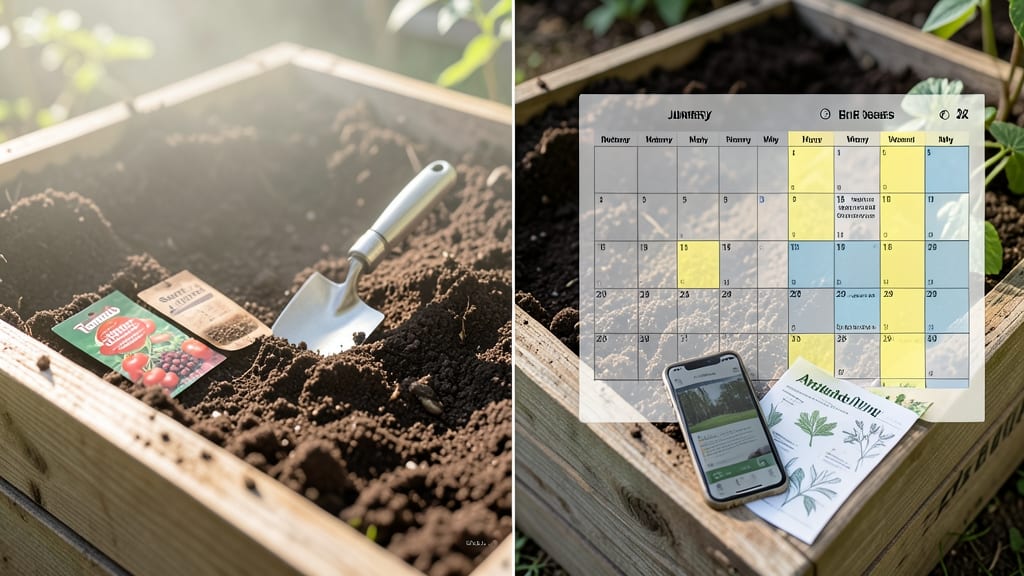
Knowing when to plant in Arkansas means the difference between a bountiful harvest and wasted effort—one late frost can turn weeks of work into a sad pile of brown leaves.
Whether you're planting tomatoes in the spring or cool-season greens in fall, timing your Arkansas garden right isn't just helpful—it's essential.
Arkansas' 7a-8b zones create unique challenges, with frost dates shifting dramatically from the cooler north to the warmer south. The General Arkansas Planting Guide 🌱 helps you avoid common mistakes like planting warm-loving peppers too early or missing the window for fall crops.
Let's break down the exact months and conditions that work best for your region.
You'll discover how to align your planting schedule with Arkansas' 200-240 frost-free days, plus how to adjust for microclimates that can make your backyard garden behave differently than your neighbor's. No more guessing—just science-backed timing that maximizes your garden's potential.
From the first signs of spring warmth to the crisp air of fall, this guide gives you the confidence to plant at the perfect moment. Ready to transform your garden's success rate? Let's get started with the planting calendar that actually works for Arkansas gardeners.
Arkansas planting zones and frost dates by region
Arkansas spans USDA hardiness zones 6a to 8a, meaning frost dates vary dramatically from the Ozark Mountains to the Delta region. Understanding these zones helps you avoid frost damage while maximizing your growing season.
Northern Arkansas (like Fayetteville) typically has later last frosts (mid-April), while southern areas (like Texarkana) can start planting 2-3 weeks earlier.
Your last spring frost determines when to plant cool-season crops like lettuce and peas, while your first fall frost signals the end for warm-season plants like tomatoes and peppers.
In Central Arkansas (Little Rock), the average last frost is March 15, but mountain areas like Eureka Springs can see frost into early April. Southern Arkansas (El Dorado) often enjoys 100+ frost-free days more than northern regions.
If you're in Zone 7b (Central Arkansas), aim to plant cool-season crops by February 15 for early harvests, while warm-season plants like tomatoes should wait until April 15 after soil warms.
In southern Arkansas (Zone 8a), you can start warm-season veggies as early as March 1, giving you a longer growing season for crops like sweet potatoes and okra.
For perennials and shrubs, plant in early spring (March) or fall (October) to establish roots before extreme heat or cold. Bulbs like tulips should go in the ground by December for spring blooms, while spring-flowering bulbs (daffodils) can handle planting until February.
Always check your local extension office for year-specific adjustments, as frost dates can shift by 1-2 weeks annually.
In northern Arkansas (Zone 6a), where frosts linger, use row covers to extend your season by 2-4 weeks. These lightweight fabrics protect tender seedlings from late frosts while allowing sunlight and water through.
For example, spinach and radishes can often survive light frosts, so you might get away with planting them as early as February 1 in sheltered spots.
Southern Arkansas gardeners enjoy the luxury of earlier planting, but don't rush—soil temperature matters more than calendar dates. Use a soil thermometer to confirm 60°F+ for warm-season crops like peppers and cucumbers.
In Zone 8a, you might see two full growing seasons: one in spring and another in fall, perfect for successive planting of beans and squash.
Pro tip
Best planting schedule for Arkansas vegetables, flowers, and herbs
Arkansas' 200-240 frost-free days create perfect windows for both cool-season crops and warm-season favorites, but timing matters. Start with cool-season crops like kale and broccoli 4-6 weeks before your last frost date—typically February-March in most regions.
Warm-season plants such as tomatoes and peppers need to wait until soil temperatures hit 60°F, usually mid-April to early May.
For continuous harvests, use succession planting—sow lettuce every 2 weeks from spring to fall, or plant bush beans every 3 weeks for a steady supply. This simple trick ensures you never miss a harvest window, even in Arkansas' unpredictable climate.
My fall garden thrives when I plant spinach and radishes in September, giving me fresh greens through November.
Here’s how to align your planting with Arkansas’ month-by-month schedule:
Don’t overlook herbs like basil and cilantro—they thrive in Arkansas’ heat but bolt quickly. Plant basil in late May after frosts pass, and cilantro in September for a fall harvest before temperatures rise again.
My herb garden produces all summer long when I follow this schedule, avoiding the bitter taste of bolting plants.
For flowers, prioritize annuals like zinnias (plant in April-May) and perennials like lavender (establish in spring or fall). Deadhead spent blooms to encourage continuous flowering—this trick keeps my garden vibrant from May through October.
Even in Arkansas’ humidity, proper timing ensures your flowers don’t struggle with heat stress or fungal diseases.
Pro tip: Use row covers for early cool-season crops to jumpstart growth, or black plastic mulch in spring to warm soil faster for warm-season plants. These small adjustments can shave 2-3 weeks off your planting timeline, giving you an earlier harvest.
With these strategies, your Arkansas garden will be productive year-round, not just in the peak months.