
Plants
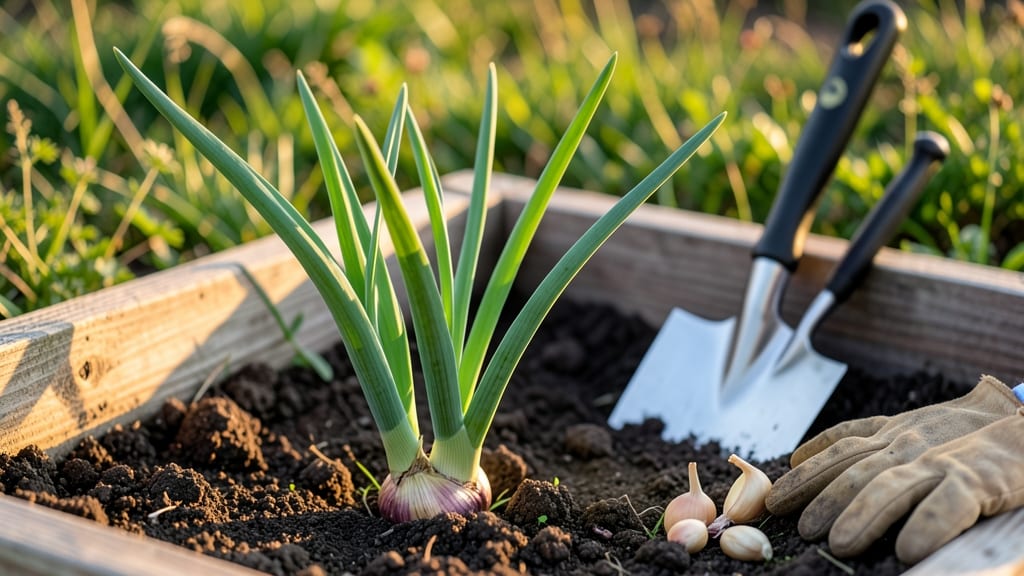
Timing when to plant onions in Seattle can make or break your harvest—especially when unpredictable rain and chilly nights throw off even the most careful gardeners.
The secret to success lies in knowing exactly when to plant for both spring and fall crops, so you can beat the frost and still enjoy fresh, homegrown bulbs by summer.
With Seattle’s USDA Zone 8a climate, you’ve got a narrow window to get onions in the ground just right. Plant too early, and you risk bolting (those unwanted flowers that ruin your harvest). Plant too late, and your onions might not mature before the first frost hits in November.
The good news? By following the ideal planting months—March to April for spring and August to September for fall—you can sidestep these common pitfalls and enjoy a steady supply of onions all season long.
But here’s the thing: Seattle’s microclimates—like the milder coastal areas versus the colder Eastside—can shift those perfect planting dates by a few weeks.
That’s why I’ll walk you through the exact steps to time your plantings, from soil prep to frost-date tricks, so you can grow onions that thrive no matter where you are in the city.
Ready to turn your garden into a onion 🧅 powerhouse? Let’s break down the best times to plant, the cold-hardy varieties that work here, and how to keep your harvest on track—even when Seattle’s weather throws you a curveball.
Seattle’s ideal onion planting timeline by month (with frost-date safeguards)
Seattle’s USDA Zone 8a climate means onions can thrive year-round with the right timing. The last frost date (around March 15) and first frost (typically November 1) create two prime planting windows: spring and fall.
Coastal areas like West Seattle may have later frosts, while inland zones like Redmond can plant earlier.
For spring harvests, aim to plant onion sets (small bulbs) or seeds 2-4 weeks before your last frost. This usually lands in early March for inland areas and late March for coastal spots.
If you miss this window, don’t panic—late April is still viable for a smaller harvest.
Fall planting is equally rewarding. Start 8-10 weeks before first frost, which translates to late August or early September. This ensures bulbs mature before winter sets in. Green onions (scallions) can even handle light frosts and can be sown as late as October for winter harvests.
Here’s the month-by-month breakdown of when to plant, including backup windows for Seattle’s notorious unpredictable weather:
| Month | Planting Window | Action | Notes |
|---|---|---|---|
| February | Backup | Start seeds indoors | For transplanting after last frost |
| March | Primary (Inland) | Plant sets or seeds | Soil temp: 40°F+ |
| April | Primary (Coastal) | Plant sets or seeds | Harvest by July |
| May | Late Backup | Plant for green onions | Smaller bulbs, harvest by August |
| August | Primary (Fall) | Plant sets for fall harvest | Harvest before first frost |
| September | Backup (Fall) | Plant green onions | Overwinter for spring harvest |
| October | Late Backup | Direct sow for winter greens | Protect with mulch |
If you’re starting from seed, begin indoors 8-10 weeks before last frost (around February) and transplant seedlings after soil temperatures reach 50°F. For onion sets, simply pop them into the ground 1 inch deep, spaced 4-6 inches apart, and watch them grow!
Seattle’s rainy springs can delay planting, so always check soil moisture before committing. If the ground feels soggy, wait until it dries out slightly. Mulching with straw helps regulate soil temperature and moisture, giving your onions a fighting chance against Seattle’s unpredictable downpours.
For coastal gardeners, monitor Puget Sound microclimates—areas like Bainbridge Island may have 2-3 weeks later frosts than inland zones. Adjust your timeline accordingly to avoid late-spring frosts that can damage young plants.
Pro tip: Plant a mix of varieties to stagger harvests. Storage onions (like Yellow Sweet Spanish) need 120+ days to mature, while green onions can be ready in 60 days. This ensures you’re never without fresh onions in Seattle’s long growing season.
🌱
Best cold-hardy onion varieties for Seattle’s wet climate (ranked by hardiness & flavor)
Seattle’s damp, cool summers can turn onion gardening into a challenge—but the right varieties thrive here. I’ve grown Yellow Sweet Spanish and Evergreen Hardy White for years, and they consistently deliver sweet, disease-resistant bulbs. The key is choosing varieties bred for short-day conditions (like Seattle’s) and wet climates.
Cold-hardy onions like Texas Early White and Red Baron can handle our late spring frosts while still forming bulbs. Even green onions (scallions) like Evergreen Hardy White regrow after cutting, giving you harvests all season. Avoid long-day onions (like Yellow Granex), which bolt prematurely in our climate.
🌱
| Variety | Hardiness | Flavor Profile | Best For |
|---|---|---|---|
| Yellow Sweet Spanish | 9/10 (disease-resistant) | Sweet, mild, storage-friendly | Long-term storage |
| Texas Early White | 10/10 (cold-tolerant) | Mild, crisp, early harvest | Spring planting |
| Red Baron | 8/10 (bolting-resistant) | Purple-stripe, pungent | Fresh eating |
| Evergreen Hardy White | 9/10 (regrows after cutting) | Mild, tender | Green onions |
| Candy | 7/10 (sensitive to rot) | Sweet, small bulbs | Salad onions |
For fall planting, prioritize Texas Early White or Yellow Sweet Spanish—they mature before first frost (usually November 1). If you’re growing for green onions, Evergreen Hardy White is my top pick because it regrows after cutting, giving you multiple harvests.
Pro tip: Mix sand or perlite into your soil to improve drainage—Seattle’s clay can cause bulb rot in sensitive varieties like Candy onions. Always plant in well-draining soil with a pH of 6.0-7.0 for best results.
🌿