
Plants
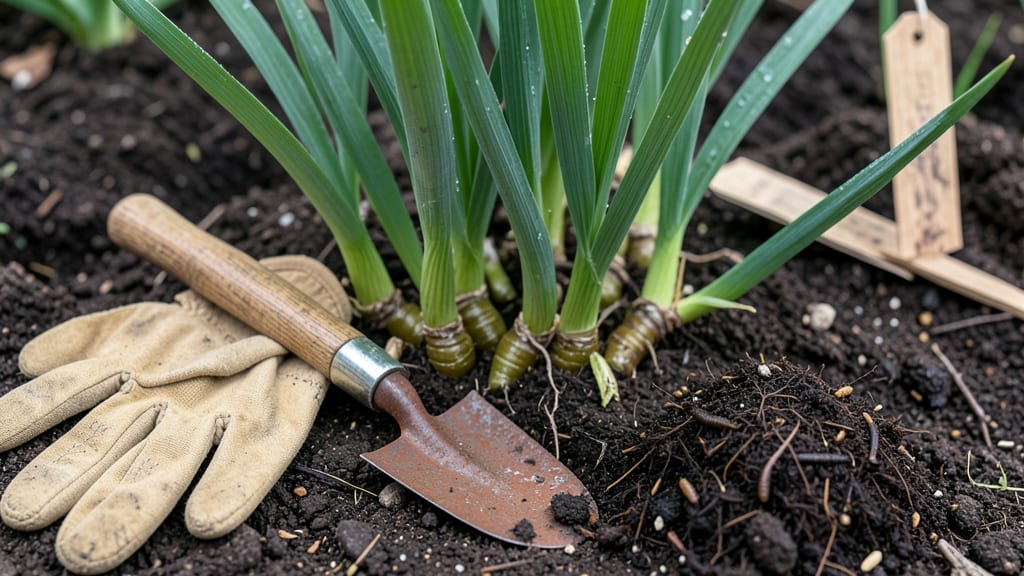
Timing your iris planting in Oklahoma can make the difference between stunning blooms and struggling plants—especially when unpredictable weather throws off your schedule. The best window for planting these hardy 🌸 beauties is narrow, and missing it could mean weak roots or missed spring color.
If you're in USDA zones 6b-7a, like most of Oklahoma, early spring (March-April) or early fall (September-October) are your golden opportunities. These months give iris rhizomes time to establish roots before summer heat or winter frost sets in.
But here's the catch: Oklahoma's microclimates mean frost dates vary by just weeks from north to south. Planting too early in cooler zones (like 6b) risks frost damage, while waiting too late in warmer areas (like 7a) can stress new growth.
I'll show you exactly how to time your planting, from soil prep to frost-free deadlines, so your irises thrive year after year—no guesswork required.
Oklahoma’s best iris planting zones and frost-free deadlines
Oklahoma spans USDA Hardiness Zones 6b through 8a, meaning your frost-free dates can vary by 10-14 days depending on whether you're in western Oklahoma (warmer) or eastern Oklahoma (cooler).
For iris rhizomes, timing is everything—plant too early, and they’ll rot; too late, and they won’t establish roots before winter or summer heat.
Most Oklahoma gardeners target two ideal windows: early fall (September-October) and early spring (March-April). The key is ensuring 6-8 weeks of warm soil before the first frost (mid-November) or extreme summer heat (June-July).
Let’s break down the frost-free deadlines by zone to help you pick the perfect planting month.
🌱 Note: Oklahoma’s microclimates matter! If you live in higher elevations (like the Ozark Mountains), frost can arrive 2-3 weeks earlier than in low-lying areas like the Red River Valley.
| Zone | Avg. Last Frost | Avg. First Frost | Best Fall Planting Window | Best Spring Planting Window |
|---|---|---|---|---|
| 6b (Northeast OK) | March 15 | November 1 | September 15-October 15 | March 15-April 15 |
| 7a (Central OK) | March 1 | November 15 | September 1-October 10 | March 1-April 10 |
| 7b (Southwest OK) | February 28 | November 25 | August 20-September 30 | February 28-March 31 |
| 8a (South OK) | February 15 | December 1 | August 15-October 1 | February 15-March 15 |
For Zone 6b gardeners, aim to plant irises by October 15 to give roots time to establish before winter. Meanwhile, Zone 8a gardeners have a longer window—planting as late as October 1 is safe.
The earliest you should plant in spring is February 15 (Zone 8a) to avoid late frosts that can damage tender new growth.
Pro tip: Use local weather data from the National Weather Service or Oklahoma Mesonet to fine-tune your timeline. For example, Tulsa (Zone 7a) often sees its last frost around March 10, while Oklahoma City (Zone 7b) might be frost-free by March 5. Adjust accordingly!
If you’re unsure about your exact frost dates, err on the side of earlier planting. Irises planted in late fall (after October 15) risk root rot if the ground stays too wet, while late spring plantings (after April 15) may struggle with summer heat stress before establishing.
Another critical factor is soil temperature. Irises need soil that’s at least 50°F (10°C) for root growth. In Oklahoma, this typically means waiting until April 1 for spring plantings or planting by September 30 for fall. Use a soil thermometer to check—if it’s cooler than 50°F, hold off!
For container-grown irises, you have slightly more flexibility. Since pots warm up faster in spring, you can plant 2-3 weeks earlier than in-ground rhizomes. Just ensure your containers have drainage holes to prevent waterlogging, which is deadly for irises.
Finally, remember that Oklahoma’s unpredictable weather means your frost dates might shift. Keep an eye on 10-day forecasts and adjust your planting schedule if a cold snap is predicted. With the right timing, your irises will reward you with bold blooms for years to come! 🌸
Fall vs. spring planting: which works best for Oklahoma irises?
Oklahoma’s two distinct planting windows—fall and spring—offer unique advantages for iris rhizomes, but choosing the wrong one can leave your plants struggling. In my experience, fall planting (September-October) often gives irises a head start, allowing roots to establish before winter dormancy.
However, spring planting (March-April) works well if you missed the fall window or live in warmer microclimates.
The key difference lies in soil temperature and moisture availability. Fall-planted irises benefit from cooler soil and consistent autumn rains, while spring-planted rhizomes must contend with Oklahoma’s rapidly warming soil and occasional drought. Let’s break down which option suits your Oklahoma garden best.
Fall Planting (September-October)
✅ Pros
- Root establishment before winter
- Cooler soil reduces stress
- Autumn rains provide moisture
- Fewer weeds in early season
❌ Cons
- Limited time before frost
- Requires mulch for winter protection
- Dormant growth may not show until spring
Spring Planting (March-April)
✅ Pros
- Visible growth in current season
- More time to establish before summer
- Easier to monitor for pests/diseases
❌ Cons
- Hot soil can stress rhizomes
- Drought risk in early summer
- Competes with weeds for resources
For northern Oklahoma (Zone 6b), I recommend fall planting as the safest bet—rhizomes need 6-8 weeks to root before winter. In southern Oklahoma (Zone 7a), both seasons work, but spring planting lets you enjoy blooms the same year.
Always check your local frost dates—Oklahoma City’s last frost averages March 15, while Tulsa’s is slightly later.
One critical tip for Oklahoma gardeners: Adjust for microclimates. If you’re in a warmer valley like the Arbuckle Mountains, spring planting may be safer. Conversely, higher elevations like the Ozark foothills benefit from fall planting. Test your soil temperature—irises thrive when soil is between 50-65°F at planting time.
Pro tip: Mulch heavily after fall planting (2-3 inches of straw) to insulate rhizomes. For spring plantings, water deeply every 7-10 days until established. Both methods yield stunning blooms if timed right!