
Plants
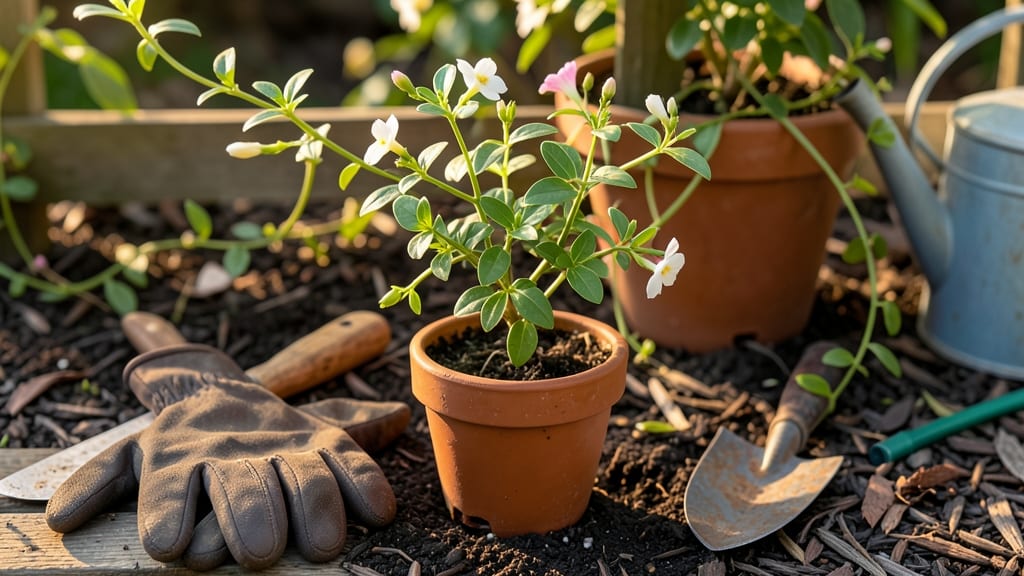
Planting jasmine in Arizona isn’t just about timing—it’s about outsmarting the desert’s brutal summers and unpredictable winters. The best window to plant this fragrant 🌸 beauty is between November and February, when temperatures are mild and the risk of frost is minimal.
Why does this matter? Because jasmine thrives when it can establish roots before the heat kicks in. Skipping this window means battling transplant shock in 100°F+ temperatures, which can stunt growth or even kill your plant before it blooms.
In this guide, I’ll break down the exact months that work best for your Arizona zone, whether you’re in Phoenix, Tucson, or Flagstaff. You’ll also discover how to prep your soil, water smartly, and protect your jasmine from unexpected cold snaps—so you can enjoy those intoxicating blooms year after year.
Ready to turn your yard into a fragrant oasis? Let’s get started with the proven steps that’ll set your jasmine up for success from day one.
Best months to plant jasmine in Arizona for maximum survival & blooms
Arizona’s USDA Zone 9b climate offers a narrow window for planting jasmine successfully. The coolest months—November through February—are ideal because they provide mild temperatures (50–75°F) and minimal monsoon interference. Planting outside this window risks transplant shock from summer’s extreme heat or winter’s rare frost.
Jasmine thrives in Arizona’s frost-free periods, but timing matters. The last frost date (January 15) marks the cutoff for safe outdoor planting. If you miss this window, opt for container gardening to control soil temperature and watering.
Here’s the breakdown of optimal planting months based on Arizona’s microclimates:
| Month | Low Desert (Phoenix/Tucson) | High Desert (Flagstaff) | Key Consideration |
|---|---|---|---|
| November | ✅ Ideal (60–75°F) | ✅ Ideal (40–60°F) | Soil is warm enough for root growth; monsoons have ended. |
| December | ✅ Best (55–70°F) | ⚠️ Risk of frost (30–50°F) | Low desert: Perfect. High desert: Use frost cloth if temps drop below 32°F. |
| January | ✅ Best (50–65°F) | ❌ Avoid (frost likely) | Last safe month before summer heat ramps up. |
| February | ⚠️ Risky (70–85°F) | ⚠️ Risky (45–65°F) | Only plant in shaded areas or containers with afternoon shade. |
| March | ❌ Avoid (90°F+) | ❌ Avoid | Extreme heat causes transplant shock; wait for fall. |
For low-desert areas like Phoenix and Tucson, November and December are the sweet spot. These months offer cooler temps and stable soil moisture post-monsoon. In high-desert regions like Flagstaff, stick to November only—December through February risks frost damage.
Pro tip: If you’re planting in containers, extend your window to early March by placing pots in partial shade and watering deeply every 2–3 days. This buys time until fall’s ideal planting season returns.
Jasmine planted in November or December will establish roots before summer heat arrives, leading to blooms as early as spring. Avoid planting in summer or early fall—the 100°F+ temps will stress young plants, stunting growth and reducing fragrance.
Once planted, mulch heavily (3–4 inches of organic mulch) to retain moisture and regulate soil temperature. This is especially critical in Arizona’s alkaline soils, which drain quickly and lack organic matter.
Remember: Jasmine’s fragrance is directly tied to healthy root growth. Planting at the right time ensures your jasmine will reward you with years of intoxicating blooms—not just a season of struggle.
🌱
How Arizona’s heat & altitude affect jasmine planting success
Arizona’s climate isn’t one-size-fits-all—your jasmine’s survival depends on whether you’re in Phoenix’s low desert or Flagstaff’s cooler highlands. Extreme heat, intense sunlight, and sudden monsoon rains demand microclimate-specific adjustments to avoid transplant shock and wilting. Let’s break down the critical differences and how to adapt your planting strategy.
In low-desert zones (USDA 10a-11), like Phoenix and Tucson, temperatures can soar to 110°F+ in summer, while higher elevations (USDA 8a-9b) like Flagstaff see cooler nights and occasional frost. Jasmine thrives in mild winters and warm springs, but Arizona’s extremes require smart timing and care.
Planting in the wrong season can lead to root burn, leaf scorch, or even death.
Here’s how to adjust your approach based on your location’s altitude and heat intensity:
⚠️ Critical Warning for Arizona Gardeners
Low-desert zones: Avoid planting in summer (May-September)—the heat will cook young roots. Instead, plant in late fall (November) or winter (January-February) when temps dip below 85°F.
High-desert zones: Watch for late-winter frosts (Feb-March). Plant in October-November to give roots time to establish before cold snaps. Use mulch (3-4 inches) to insulate soil.
Soil preparation is non-negotiable in Arizona. Jasmine prefers well-draining, slightly acidic soil (pH 6.0-7.0), but our native clay or rocky terrain often needs amending. Mix in compost or aged manure to improve drainage and retain moisture.
In sandy soils (common in Phoenix), add organic matter like coconut coir to help roots anchor.
Watering strategies must shift with the seasons. Newly planted jasmine needs deep, infrequent watering (1 gallon per plant, 2-3 times per week) for the first 3 months.
Once established, reduce to bi-weekly deep soaks in summer and monthly in winter. Morning watering is best—it prevents fungal issues from evening humidity and reduces evaporation in the scorching afternoon sun.
Shade cloth (30-50%) can be a lifesaver during summer, especially for young plants. Install it over newly planted jasmine from May through September to shield leaves from intense UV rays. Remove it in fall to allow full sun exposure, which boosts flowering and fragrance in spring.
Finally, pruning is key to managing Arizona’s extremes. Trim back overgrown branches in late winter (February) to encourage airflow and reduce stress from summer heat. Avoid heavy pruning in summer or fall, as it can stimulate new growth that won’t survive the season’s challenges.