
Plants
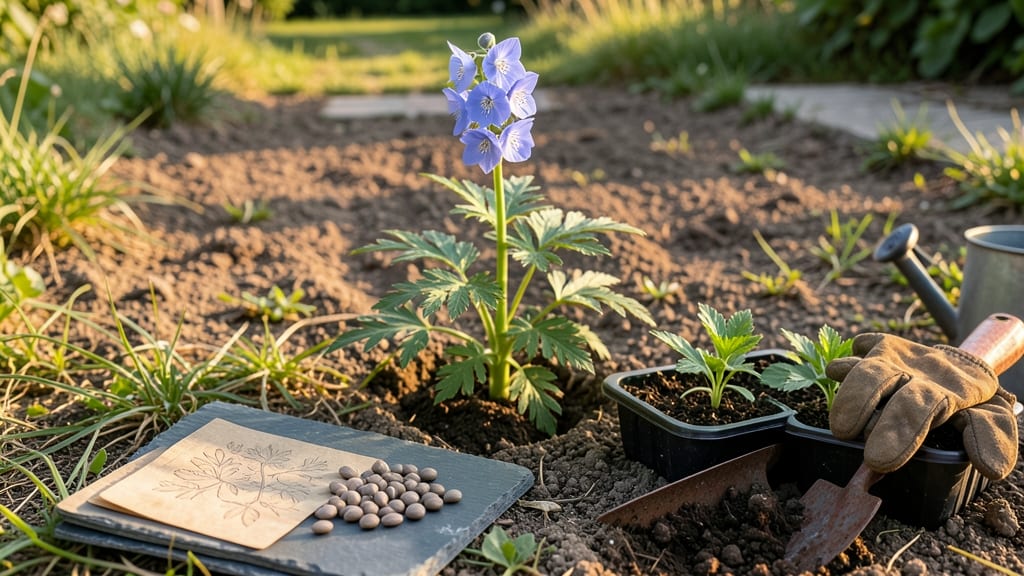
If you've ever dreamed of your Texas garden bursting with stunning blue spires that hummingbirds can't resist, when to plant larkspur seeds in Texas is the game-changer. Timing those seeds perfectly ensures your plants thrive instead of wilting before they even bloom.
Planting too early risks frost damage, while waiting too long means missing out on those 🌸 blooms entirely.
Texas gardeners know the struggle—our 8a-10b zones bring wildly different frost dates, from late January in South Texas to mid-February in North Texas. But with the right strategy, you can outsmart the heat and humidity to get those delicate seedlings thriving.
I’ve planted larkspurs across Texas for years, and I’ll share exactly when to start seeds for peak blooms—whether you’re in the cooler hill country or the sweltering Rio Grande Valley. Plus, I’ll cover soil prep tricks to keep your plants from bolting in the summer heat.
Ready to unlock nonstop color from spring through fall? Let’s dive into the perfect planting windows and care tips that actually work in Texas’ unpredictable climate.
Texas larkspur planting calendar by USDA hardiness zones (7a-10a)
Texas spans USDA zones 7a through 10a, meaning your larkspur planting window varies dramatically from the Panhandle to South Texas. In cooler zones like 7a-8a, you can start seeds as early as September, while 9a-10a gardeners should wait until October or November to avoid summer heat stress.
The key is planting when soil temps stay below 75°F—any hotter, and your seeds may bolt or fail to germinate.
Larkspurs thrive in Texas’ fall and winter months when temperatures drop but remain mild. Spring planting is risky in most zones because the unpredictable March heat waves can shock seedlings. For consistent blooms, aim for two planting windows: early fall (September-October) and late winter (February-March in cooler zones).
Here’s how to align your planting with Texas’ frost-free growing seasons. North Texas (7a-8a) has a 180-210 day frost-free period, while South Texas (9a-10a) enjoys 270-300 days. Larkspurs need at least 90 days to mature, so time your plantings to avoid late-season heat.
| USDA Zone | Ideal Planting Window | Soil Temp Threshold | Bloom Time |
|---|---|---|---|
| 7a-7b (Panhandle, North) | September 15 - October 15 | Below 70°F | April - May |
| 8a (Dallas/Fort Worth) | September 1 - October 30 | Below 75°F | March - May |
| 8b-9a (Austin, San Antonio) | October 1 - November 15 | Below 80°F | February - April |
| 9b-10a (Houston, Gulf Coast) | November 1 - December 15 | Below 85°F | January - March |
🌱 Pro Tip: Use a soil thermometer to confirm temps before planting—larkspurs hate heat!
In Zone 7a, where frosts linger into March, you can even try a late winter planting (February) if you use row covers to protect tender seedlings. Meanwhile, Zone 10a gardeners should focus on fall plantings only, as spring heat arrives too quickly.
The Gulf Coast’s mild winters also mean larkspurs may bloom year-round with staggered plantings.
For container gardening in hot zones (9a-10a), start seeds indoors in September and transplant after October 15 when nighttime temps drop below 70°F. Containers dry out faster, so keep them in partial shade during peak afternoon heat.
I’ve had success with 5-gallon pots filled with 50% perlite to improve drainage.
One common mistake Texas gardeners make is planting too early in August or early September when soil temps exceed 85°F. Larkspur seeds need consistent moisture and cool soil to germinate—if the ground feels warm to your bare foot, wait another 2-4 weeks.
I learned this the hard way when my 2022 August planting yielded only 3 weak seedlings out of 50 seeds.
To extend your blooming season, try succession planting every 2-3 weeks during your zone’s ideal window. For example, in Zone 8a, plant September 1, 15, and 30 for staggered blooms from March to May. This technique works especially well for mixed-color varieties like ‘Blue Bird’ and ‘White Swan’.
Always check your local Almanac’s frost dates—Texas A&M AgriLife Extension offers free zone-specific guides. For instance, Lubbock (7b) averages its last frost on March 15, while Brownsville (9b) rarely sees frost.
Larkspurs can tolerate light frosts (28°F), but seedlings may struggle in hard freezes below 25°F.
Finally, if you’re in a transition zone like Central Texas (8a-8b), split your seeds: plant half in September for spring blooms and half in November for winter color. This two-pronged approach ensures you’ll have larkspurs gracing your garden from February to May—just in time for hummingbird season! 🌸
How to adjust planting timing for Texas heat and humidity challenges
Texas’ extreme heat and high humidity can turn larkspur seeds into a gamble if you plant at the wrong time. In zones 8a-10a, bolting (premature flowering) is a real risk when seeds germinate under 90°F+ temperatures.
Meanwhile, in cooler zones (7a-7b), early planting can leave seedlings vulnerable to late frosts or soil-borne diseases from excess moisture.
My trick? Pre-sprout seeds indoors 4-6 weeks before your zone’s ideal outdoor window. This gives you a head start on heat-sensitive varieties. For example, if you’re in Houston (9a), start seeds indoors in late July for September outdoor transplanting.
This avoids the August heat spike that can scorch seedlings.
For North Texas (7a-8a), focus on fall planting (September-October). The soil stays warm enough for germination but cools enough to prevent bolting. Use shade cloth (30-50%) if transplanting in late spring to protect young plants from sudden heatwaves.
⚠️ Texas-Specific Risks
Bolting: Seeds planted in hot soil (>85°F) may flower too early, reducing bloom quality. Solution: Use soil thermometers to monitor temps.
Fungal Diseases: High humidity in East Texas (9a-10a) can cause powdery mildew. Solution: Space plants 12-18 inches apart for airflow.
Drought Stress: Larkspur wilts quickly in West Texas (8a-9b) heat. Solution: Mulch with 2-3 inches of straw to retain moisture.
Another pro move? Adjust watering schedules based on your zone. In South Texas (10a), water daily in peak summer to keep soil consistently moist, while North Texas (7a) can get by with deep watering every 5-7 days once established.
Always water early morning to prevent fungal issues from evening humidity.
If you’re in transition zones (8a-9a), like Austin or San Antonio, consider succession planting. Sow a second batch in early October for fall blooms before winter rains arrive. This extends your hummingbird-friendly display and spreads out your seed costs.
Remember: Larkspur hates soggy roots. Amend heavy clay soils with compost or sand to improve drainage, especially in East Texas’ wetter climates. A 50/50 mix of native soil and organic matter works wonders for seedling survival.