
Plants
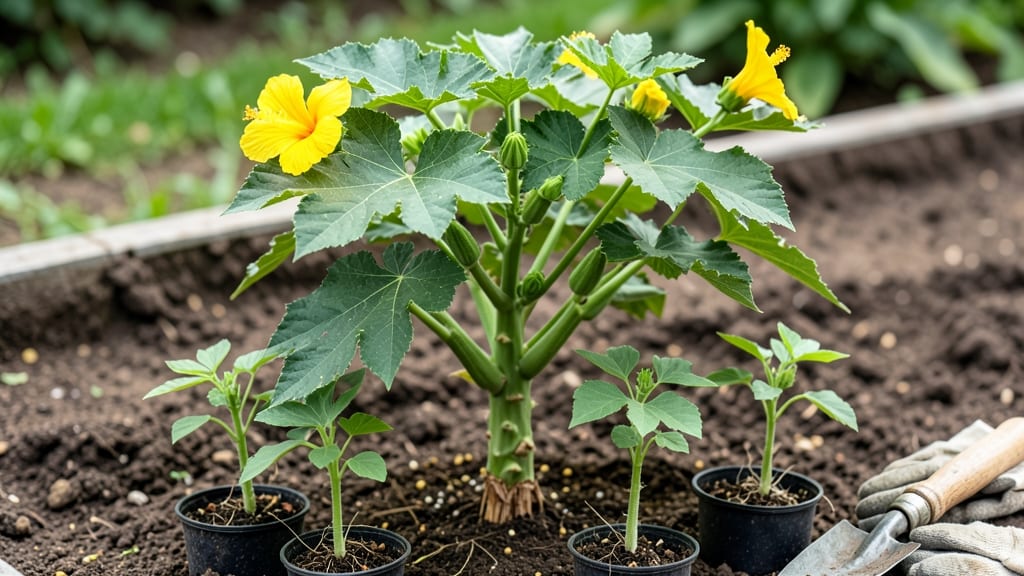
Timing your okra planting in South Carolina can mean the difference between a garden full of crisp, tender pods and a disappointing harvest. The April 15 to June 15 window after the last frost is your golden opportunity to grow this heat-loving vegetable successfully in zones 7b-9a.
Okra thrives in warmth, but planting too early risks frost damage, while waiting too late might cut your harvest short before fall's first chill. Understanding your local frost dates and soil temperatures is the key to unlocking a bountiful garden.
Let's break down exactly when to plant for your specific county and how to set your okra up for success.
Whether you're in Charleston's coastal climate or the Piedmont's slightly cooler air, these planting guidelines will help you avoid common mistakes like poor germination or stunted growth.
With the right timing, you could be harvesting okra pods from July through October, giving you fresh vegetables for gumbos and stews all season long.
Ready to grow okra that's both productive and delicious? I'll walk you through everything from soil prep to extending your growing season, so you can enjoy this versatile vegetable at its peak. Let's get your okra garden off to the best possible start this spring.
South Carolina okra planting calendar: frost-free dates by county for optimal growth
Okra thrives in South Carolina’s warm climate, but planting at the wrong time can lead to stunted growth or poor yields. The key is to plant after the last frost date, when soil temperatures consistently stay above 60°F.
In USDA zones 7b-9a, this typically falls between mid-April and early June, depending on your county.
Coastal areas like Charleston and Myrtle Beach (Zone 8a) often see frost-free dates by March 15, while inland regions like Greenville and Columbia (Zone 7b) may wait until April 15. Upstate areas like Spartanburg (Zone 7a) can experience later frosts, pushing planting windows to mid-May.
Okra is a warm-season crop that doesn’t tolerate cold. Planting too early—before soil warms—can stunt germination or cause seedlings to rot. Conversely, planting too late may result in a shorter harvest window before fall frosts (typically November 15 in most of SC).
Pro Tip: Use a soil thermometer to confirm 60°F+ soil temps before planting. Okra seeds won’t germinate well in cooler soil, even if air temperatures are warm.
🌱 South Carolina Okra Planting Windows by County
| County | USDA Zone | Last Frost | Ideal Planting Window | Harvest Window |
|---|---|---|---|---|
| Charleston | 8a | March 15 | April 1 - May 1 | June - October |
| Myrtle Beach | 8a | March 15 | April 1 - May 1 | June - October |
| Columbia | 7b | March 30 | April 15 - May 15 | June - October |
| Greenville | 7b | April 1 | April 15 - May 15 | June - October |
| Spartanburg | 7a | April 15 | May 1 - June 1 | July - October |
| Florence | 8a | March 20 | April 1 - May 1 | June - October |
🌡️ Note: Check your local Almanac or Extension Service for year-specific frost dates.
For gardeners in Zone 9a (e.g., Hilton Head), you can even plant okra as early as February if you use row covers or black plastic mulch to warm the soil. However, most SC gardeners will find success sticking to the April-June window.
Okra planted in late May or June can still produce a harvest, but expect a shorter growing season.
If you’re in a cooler microclimate (e.g., higher elevations in the Upstate), consider starting seeds indoors in late March and transplanting after the last frost—though okra transplants poorly, so direct sowing is best.
To maximize your harvest, aim for two planting sessions: one in early spring (April) and another in early summer (June). This staggered approach ensures a continuous supply of fresh pods from June through October.
If you’re in a coastal area, you might even squeeze in a fall planting in late July, using heat-tolerant varieties like Clemson Spineless. Just be prepared to harvest before the first frost, which can arrive as early as October in some zones.
Always monitor your local weather forecasts and adjust planting dates if an unexpected frost is predicted. Okra is resilient once established, but seedlings are fragile.
How to adjust okra planting time for SC’s microclimates and soil conditions
South Carolina’s diverse climate—from coastal breezes to Piedmont heat—means one-size-fits-all planting advice won’t work for okra. Adjusting your schedule based on microclimates and soil prep can prevent common pitfalls like poor germination or early bolting.
Let’s break down how to fine-tune your okra planting for your specific corner of the state.
Start by testing your soil temperature. Okra seeds need soil at 60°F or warmer to sprout reliably. In coastal areas like Charleston or Myrtle Beach, soil warms faster due to moderate humidity and sandy soil.
You can plant as early as mid-April, but inland zones like Greenville or Columbia may need to wait until late April or early May for consistent warmth.
Here’s how to adjust your planting timeline based on your region’s unique conditions:
Plant March 20–April 15 for early harvests. Use black plastic mulch to warm soil faster.
Wait until April 15–May 1 to avoid late frost risks. Test soil depth with a thermometer.
Plant May 1–15 for safety. Use row covers if nights dip below 50°F.
Plant April 1–April 30. Amend clay-heavy soil with compost to improve drainage.
Okra thrives in well-draining, slightly acidic soil (pH 6.0–6.8). If your soil is sandy or poor, mix in 2–3 inches of compost before planting. In heavy clay soils, raise beds or add organic matter like leaf mold.
A quick soil test from your local Cooperative Extension office can save you from guesswork.
For extended harvests, consider succession planting. Sow a second batch 4–6 weeks after your first planting to keep pods coming until first frost. In coastal areas, you might even squeeze in a fall planting (late July) for a late-season crop.
Just be ready to harvest aggressively before cold snaps hit.
Watch for heat stress signs like yellowing leaves or stunted growth. If your okra bolts (sends up flower stalks too early), it’s often due to cool nights or inconsistent watering.
Mulch with straw or grass clippings to keep roots cool and moist, and avoid over-fertilizing with high-nitrogen feeds, which can delay pod production.