
Plants
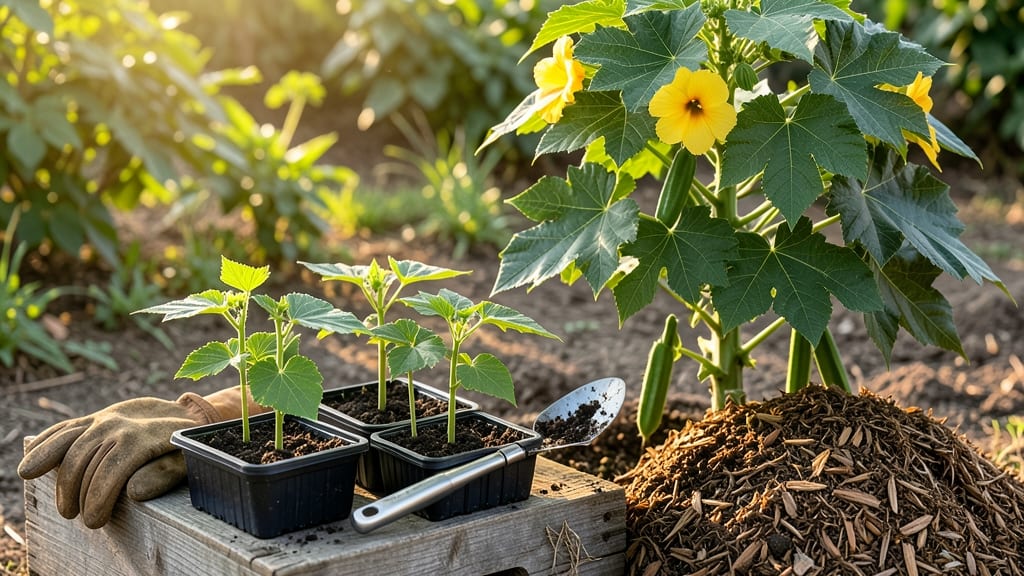
Best planting windows for okra in Southern California’s climate zones
Southern California’s microclimates create a unique challenge for okra growers—coastal areas stay milder, while inland zones can hit 100°F+ by summer. The key to success? Planting when soil temperatures hit 60°F+ and avoiding late-season heatwaves that stress seedlings.
Inland areas (like Riverside or San Bernardino) can start as early as late February, while coastal zones (like Santa Barbara) should wait until mid-April to avoid chilly ocean breezes.
Okra thrives in USDA Zones 9b-11, meaning frost is rarely a concern—except in high deserts like Palm Springs, where rare December frosts can occur.
For most of SoCal, the ideal planting window spans from March through September, with two peak periods: spring (March-May) for early harvests and summer (June-July) for extended production. Staggered plantings every 2-3 weeks ensure a continuous supply of pods.
Here’s how to align your planting with SoCal’s temperature zones and avoid common pitfalls like bolting (premature flowering) or seedling rot from overwatering. The comparison table below breaks down the best months for direct sowing vs. transplanting, soil prep tips, and heat management strategies tailored to your region.
Okra Planting Schedule by Southern California Region
| Region | Best Planting Months | Soil Temp Threshold | Key Consideration | Action Steps |
|---|---|---|---|---|
| Coastal (LA, Orange County, San Diego) | April–June | 65°F+ | Cooler nights, ocean breezes | Use black plastic mulch to warm soil; transplant seedlings for faster growth. |
| Inland Valleys (San Fernando, San Gabriel) | March–May or July–August | 60°F+ | Hotter summers, faster germination | Direct sow in March; shade young plants with 30% cloth if temps exceed 95°F. |
| Desert (Palm Springs, Joshua Tree) | February–March or September–October | 68°F+ | Extreme heat, low humidity | Plant in deep containers with 50% shade cloth; water at dusk to retain moisture. |
| High Elevation (Big Bear, Mt. San Jacinto) | May–June | 62°F+ | Cooler nights, shorter growing season | Start seeds indoors in April; use row covers to extend season. |
For coastal gardeners, the April–June window is critical—planting in March risks chilly soil temperatures that delay germination by weeks. I’ve seen seedlings take 21+ days to sprout when soil hovers around 55°F.
To speed things up, lay down black plastic mulch 2 weeks before planting to raise soil temps by 5–10°F. Inland areas can push the envelope with March plantings, but be ready to provide shade cloth if a heatwave hits before seedlings are established.
If you’re aiming for a summer harvest, my go-to strategy is staggered plantings in late June and early July. This ensures pods mature as temperatures peak in August—just when other veggies like tomatoes bolt.
For example, in Riverside, I planted a batch on June 20 and another on July 15, harvesting from August through October. The trick? Deep watering (1–2 gallons per plant) every 2–3 days during heatwaves to prevent flower drop.
One common mistake I see is planting okra too late in the season. By August, daytime highs often exceed 95°F, and seedlings struggle
Top 3 heat-tolerant okra varieties for Southern California gardens
Southern California’s intense summer heat makes selecting the right okra variety critical. Not all okra can handle our 100°F+ days, but these three top performers thrive in SoCal’s climate while delivering high yields and disease resistance.
I’ve grown all three in my own garden—here’s what I’ve learned about their pod size, heat tolerance, and maintenance needs to help you choose the best fit.
First up is ‘Clemson Spineless’, the gold standard for Southern California gardens. This variety is spineless, making it easier to harvest without gloves, and produces large, tender pods (up to 6 inches long).
It matures in 55-65 days, making it perfect for our long growing season. The key? It handles heat better than most, but still needs consistent watering to prevent bolting.
Variety Ratings
Next is ‘Emerald’, a compact yet productive variety that’s ideal for smaller gardens or containers. Its smaller stature (4-5 feet tall) makes it great for urban plots, and it produces smooth, glossy pods that stay tender longer.
This variety is especially drought-tolerant, making it a low-maintenance choice for SoCal’s dry spells. However, it matures slightly slower (60-65 days), so I recommend starting seeds indoors in late February for an early harvest.
For those who want extra-large pods, ‘Jumbo Green’ is the way to go. This variety produces pods up to 8 inches long, but requires more space (6+ feet tall) and sturdy trellising to support its weight.
It’s less heat-tolerant than the others, so I plant it in early spring (March) or late summer (August) to avoid peak heat. The trade-off? Fewer but larger pods, perfect for gumbo lovers.
No matter which variety you choose, soil prep is key. Amend your garden beds with compost and aged manure to ensure nutrient-rich soil, and mulch heavily to retain moisture during SoCal’s dry summer months.
I’ve found that staggered planting—every 2-3 weeks—extends the harvest season, giving me fresh okra from June through November.
Pro tip: Harvest pods when they’re 2-3 inches long for the best texture. Let them grow larger, and they’ll become woody and tough. And if you’re new to okra, start with ‘Clemson Spineless’—it’s the most forgiving for beginners while still delivering big rewards in our heat.