
Trees
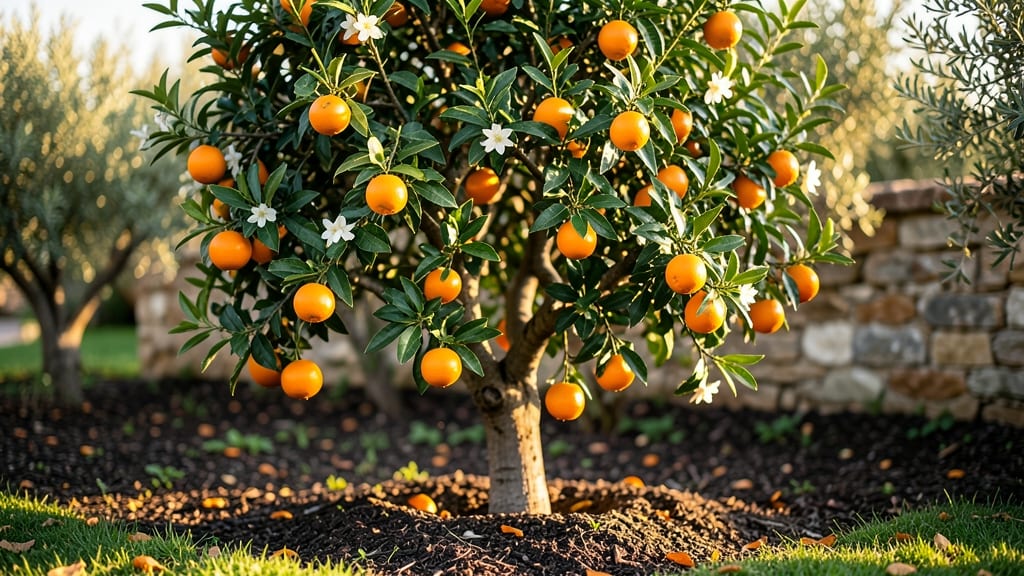
Timing your orange tree planting in Arizona isn’t just about the calendar—it’s about dodging the desert’s brutal heat and monsoon surprises. Plant too early, and your 🍊 sapling could fry before roots take hold; too late, and winter’s rare chill might catch it off guard.
Here’s the secret: Arizona’s 9b-11 zones (like Phoenix) demand precision—think November to March, when temperatures cooperate and summer’s scorching sun stays away. But even then, microclimates matter: Flagstaff’s cooler air plays by different rules than the low desert’s relentless warmth.
I’ve seen firsthand how heat-resistant varieties like ‘Valencia’ or ‘Meyer Lemon’ thrive when planted at the right moment. The key? Well-draining soil, strategic watering, and knowing whether to tuck your tree in a pot or let it stretch its roots in the ground.
Let’s break down the exact steps to give your orange tree the best shot at flourishing—from soil prep to post-planting care—so you’re harvesting sweet fruit in just a few years, not fighting for survival.
Best planting months for orange trees in Arizona’s climate zones
Arizona’s USDA zones 8b–11 create a unique challenge for orange trees—too early, and summer heat scorches young roots; too late, and winter chills stunt growth. The ideal planting window spans November through March, aligning with cooler temperatures and minimal monsoon risks.
This period ensures your tree establishes roots before Arizona’s brutal 100°F+ summers begin.
In low desert areas (Phoenix, Tucson), where winter temps rarely drop below freezing, you can plant as late as April—but only if you provide shade cloth protection during the hottest afternoons.
Higher elevations like Flagstaff or Sedona (USDA 7b–8a) demand earlier planting (September–October) to avoid light frost risks that can kill young citrus.
🌱
| Zone | Best Planting Window | Key Considerations | Avoid |
|---|---|---|---|
| 9b–10a (Phoenix, Tucson) | November–March | Soil temps >60°F; minimal monsoon rain | June–August (heat stress) |
| 8a–8b (Prescott, Yuma) | October–February | Cooler nights; frost watch after Dec | April–May (spring frost risk) |
| 7b (Flagstaff, Sedona) | September–October | Soil must thaw; use windbreaks | November–March (frost risk) |
For container-grown orange trees, timing shifts slightly—plant in late winter (February–March) to take advantage of warmer soil while still avoiding peak heat. Containers heat up faster, so bury the pot 2–3 inches deep in the ground to stabilize temps.
If you’re in a microclimate with afternoon shade (e.g., near a building or tree), you can extend planting to early April.
Pro tip: Test soil temperature before planting—ideal range is 60–75°F. Use a soil thermometer or the "wrist test": if the soil feels cooler than your wrist, wait a few weeks. Overheated soil can cause root burn, stunting growth for years.
🌡️
If you miss the ideal window, don’t panic—just acclimate your tree gradually. For spring plantings (April–May), provide 50% shade cloth for the first 2–3 weeks and water deeply every 3–4 days to prevent shock.
In high-elevation areas, delay until September to avoid autumn frosts, which can be just as damaging as winter chills.
🪴
One common mistake is planting bare-root trees in summer. These trees have minimal root systems and zero shade tolerance. If you must plant in summer, choose container-grown trees with established root balls and mulch heavily (4–6 inches of organic mulch) to retain moisture.
Pair this with a drip irrigation system set to run early morning and late evening.
💧
Finally, microclimates matter. A south-facing yard in Phoenix may get 12+ hours of sun, while a north-facing slope in Flagstaff could see only 4–5 hours. Use this sunlight map trick: place a white board in your yard for 24 hours—mark the sunniest spots.
Plant your orange tree where it gets at least 6 hours of direct sun, even if it means partial afternoon shade in extreme heat zones.
Best planting months for orange trees in Arizona’s climate zones
Arizona’s USDA zones 8b–11 create a unique challenge for orange tree planting—too early, and your tree faces heat stress; too late, and it struggles to establish roots before summer. The ideal planting window spans November through March, when temperatures are mild and rainfall is more predictable.
This timing aligns with Arizona’s monsoon season’s tail end, ensuring your tree gets natural moisture without drowning in sudden downpours.
For low-desert areas like Phoenix and Tucson (USDA 10-11), focus on November–January to avoid the brutal summer heat. In higher elevations like Flagstaff (USDA 8b-9a), extend planting into late February–March to reduce frost risk, even though Arizona rarely sees frost.
Microclimates matter—urban heat islands in cities can push planting slightly later, while mountain foothills may require earlier starts.
🌱
If you miss the primary planting window, don’t despair—October and April can work for container-grown trees with extra care. Container planting gives you flexibility to move trees indoors or into shade during extreme heat.
Just ensure your pots have drainage holes and use a citrus-specific potting mix to prevent root rot.
Timing isn’t just about months; it’s about temperature cues. Plant when daytime highs stay below 85°F (29°C) and nighttime lows don’t dip below 50°F (10°C).
Use a soil thermometer to check—ideal planting soil temps hover around 60–70°F (15–21°C). This ensures roots establish before the April heat surge hits.
Pro tip: Bare-root trees (sold without soil) plant best in November–January, while container-grown trees can handle February–March plantings. The latter gives you a head start on root growth, which is critical for Arizona’s drought-prone summers. 💧